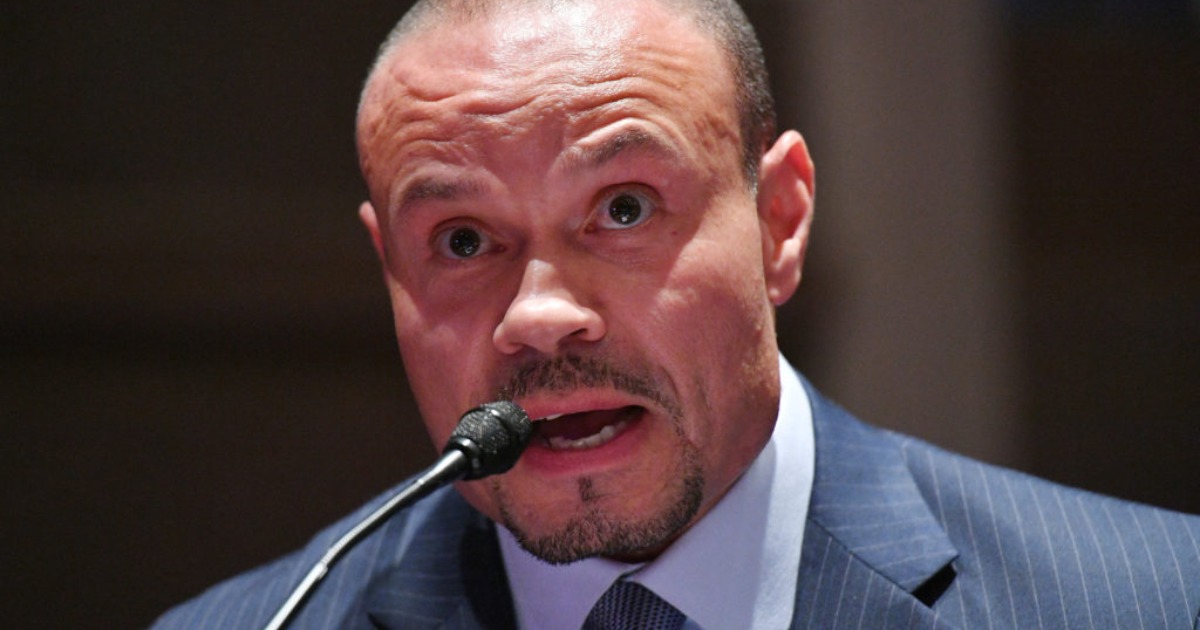
Americans are being encouraged to prepare for the possibility of a prolonged power outage after a former senior FBI official urged households to take emergency preparedness seriously.
Dan Bongino, who previously served as deputy director of the FBI, warned that families should have essential supplies available in case electricity, water or other everyday services become disrupted.
His comments come amid growing attention on the Pentagon's efforts to ensure military installations can continue operating during major infrastructure emergencies.
Although there is no official warning that a nationwide blackout is imminent, US government agencies have published detailed advice explaining how households can prepare for power outages.
And with winter approaching, the guidance could be particularly relevant for Americans living in areas vulnerable to severe weather.
What did the former FBI boss say about emergency supplies?
Bongino issued his warning during an October episode of The Dan Bongino Show, encouraging listeners to prepare their households before an emergency occurs.
He recommended keeping emergency food, batteries, a radio and equipment for collecting and filtering water.
The former FBI deputy director urged Americans to take responsibility for their own preparations rather than assuming supplies would always be available during a crisis.
He also emphasised that preparing for an emergency should not be confused with panicking.
His comments followed reports about the Pentagon's FORTRESS initiative, which aims to improve the ability of US military bases to operate independently if civilian infrastructure becomes unavailable.
However, Bongino was speaking as a former official, not issuing an official FBI warning.
What should Americans stockpile before a blackout?
According to the Federal Emergency Management Agency (FEMA) and Ready.gov, households should maintain a basic emergency supply kit capable of supporting family members during an interruption to essential services.
Recommended supplies include:
Households with babies, older residents, pets or people who depend on medical equipment may need additional supplies.
What should you do immediately if the power goes out?
If electricity suddenly fails, the first step is to establish whether the outage affects only your property or the surrounding area.
Check whether neighbouring buildings have power and, if safe, inspect your home's circuit breaker.
Residents should then report the outage to their electricity provider or check the company's official outage information.
During a widespread blackout, authorities may issue updates through emergency radio broadcasts, mobile alerts and other available communication channels.
People should conserve their phone batteries by reducing unnecessary usage and enabling power-saving settings.
It is also advisable to unplug sensitive electronics, including computers and televisions, to reduce the risk of damage from power surges when electricity returns.
Leaving one light switched on can help residents identify when service has been restored.
How long will food last without electricity?
One of the most immediate concerns during a blackout is the safety of refrigerated and frozen food.
According to Ready.gov, a refrigerator generally keeps food cold for approximately four hours if the door remains closed.
A full freezer can maintain a safe temperature for approximately 48 hours, while a half-full freezer typically lasts around 24 hours.
These estimates depend on factors including the appliance's insulation, room temperature and how frequently the doors are opened.
Residents should avoid repeatedly opening refrigerators and freezers during an outage.
Perishable refrigerated food that has been above 40°F (4°C) for more than two hours should be discarded. If food has been at 40°F or above for four hours or longer during an outage, it should not be kept.
Food should not be tasted to determine whether it is safe to eat.
How can Americans stay warm during a winter blackout?
Cold weather can make power outages particularly dangerous, especially for vulnerable residents.
People should wear multiple layers of clothing, use blankets and close curtains to help retain heat.
If indoor temperatures become dangerously low, residents should consider relocating to a designated warming centre or another building with safe heating.
Gas ovens, stovetops, charcoal grills and outdoor camping equipment must never be used to heat an enclosed home.
These appliances can produce carbon monoxide, a potentially fatal gas that cannot be detected by smell.
Battery-powered carbon monoxide alarms are particularly important for households using alternative heating or backup power equipment.
Can you use a generator during a blackout?
Portable generators can provide temporary electricity during outages, but they must be operated safely.
The Centers for Disease Control and Prevention (CDC) warns that generators should only be used outdoors, at least 20 feet away from windows, doors and vents.
Generators should never be operated inside homes, garages, basements or other enclosed spaces, even if doors or windows are open.
Residents should also avoid connecting generators directly to household wiring unless an appropriate transfer switch has been professionally installed.
Incorrect connections can endanger utility workers and damage electrical systems.
What if a family member depends on electrical medical equipment?
Households with someone who relies on electrically powered medical devices should prepare a specific emergency plan before an outage occurs.
This could include arranging a suitable backup power supply, speaking to healthcare providers and identifying nearby facilities that can provide assistance.
Residents should contact their utility provider to ask whether medical-needs registration or additional emergency support is available.
However, being registered with a utility company does not guarantee uninterrupted electricity.
If an essential medical device loses power and the person's health is immediately at risk, emergency medical assistance should be requested.
Why is the US military preparing for infrastructure disruption?
The Pentagon's FORTRESS initiative has attracted attention because of plans to improve the resilience of major military installations.
The programme aims to ensure that essential military operations can continue during disruptions affecting civilian infrastructure.
Such scenarios could include severe weather, cyberattacks, equipment failures and other emergencies.
Reports have described plans for installations to maintain essential operations independently for extended periods.
However, military contingency planning does not mean officials have confirmed that a nationwide blackout is about to occur.
Emergency preparation is a routine part of national security planning.
Is a nationwide US blackout expected?
There is currently no verified official announcement that a nationwide power blackout is imminent.
Power outages can occur for many reasons, including storms, wildfires, extreme temperatures, equipment failures and damage to electrical infrastructure.
Most outages affect particular communities or regions rather than the entire country.
Nevertheless, federal agencies encourage residents to prepare because even relatively short disruptions can affect food storage, heating, communication and access to essential services.
Preparedness guidance is intended to reduce those risks, not predict a specific disaster.
Where can Americans find official blackout advice?
Residents can access official emergency preparedness information through the US government's Ready.gov website.
The guidance explains how to assemble emergency supplies, protect food, operate generators safely and respond to outages during extreme temperatures.
For more information, visit:
Americans can also check their local emergency management agency and electricity provider for information relevant to their area.
While Bongino's warning has drawn attention to the subject, the central advice from emergency authorities is straightforward: preparing essential supplies and having a household emergency plan can help families remain safer if electricity is unexpectedly interrupted.
Sources: UNILAD, October 27, 2026; The Dan Bongino Show; FEMA/Ready.gov; Centers for Disease Control and Prevention.