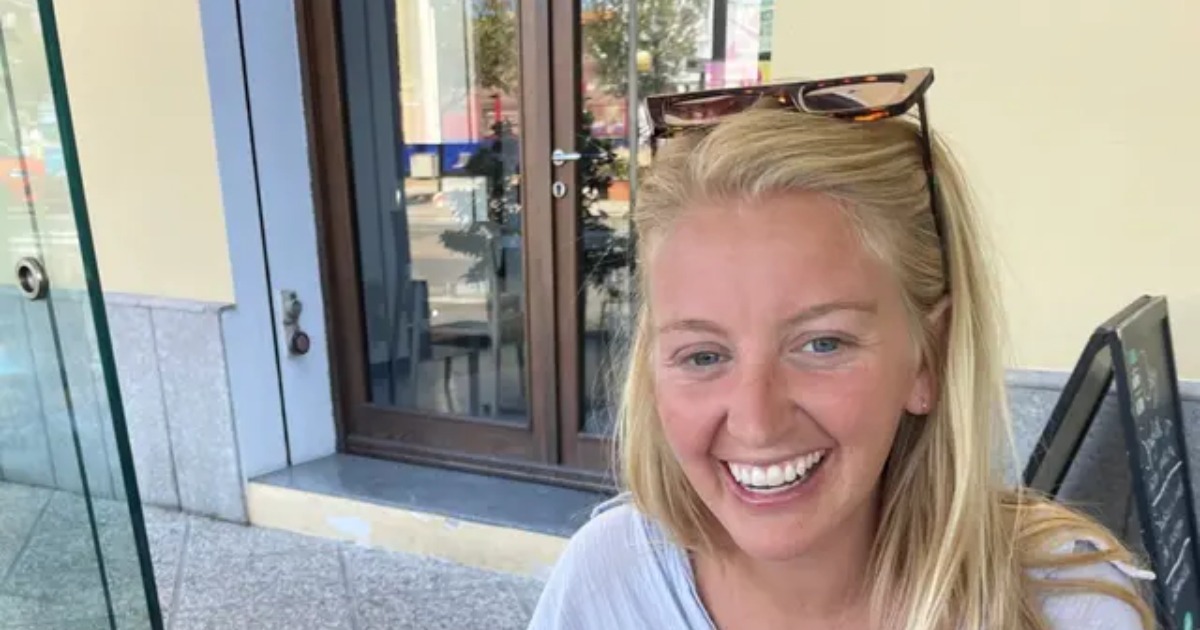
An American woman who moved to an island famous for its unusually high number of people living to 100 has revealed the physical changes she noticed after embracing a completely different lifestyle.
Casey Little Pittorru, 29, originally lived in Opelika, Alabama, before travelling to the Italian island of Sardinia in 2022.
What began as a two-month break from her demanding working life eventually developed into something much bigger.
She fell in love, met her future husband and discovered that her temporary accommodation was located in an area associated with exceptional longevity.
Four years later, Casey says her time on the island has had a noticeable effect on her health and wellbeing.
And she has identified two particular changes to her body that stood out after making the move.
What two changes did Casey notice after moving to Sardinia?
According to Casey, she noticed that she had lost some weight and that her skin appeared brighter after spending time on the Mediterranean island.
She also reported feeling mentally clearer and healthier overall.
Speaking about her experience, Casey explained that her daily routine had changed dramatically compared with her previous life in Alabama.
She was spending more time outdoors, walking considerable distances and enjoying the island's natural surroundings.
"I lost a little bit of weight, my skin was brighter as I spent so much time in the sea and in the sun, and my mind was so much clearer," she said.
Casey described the period as one of the healthiest of her life.
However, these changes are based on her personal experience and do not establish that living in Sardinia directly caused them.
Why did she leave America?
Before travelling to Sardinia, Casey was balancing a demanding professional and academic schedule.
She worked in mental health while studying towards a master's degree in clinical mental health counselling.
Her work involved supporting people through difficult circumstances, including experiences involving abuse and violence.
She also described the financial pressure of working multiple jobs to cover everyday expenses.
Although she had a supportive community in Alabama, she wanted an opportunity to disconnect from her usual responsibilities.
In 2022, she decided to spend two months abroad without working.
She found an apartment through Airbnb that suited her budget and travelled to Sardinia.
At the time, she had no idea that the accommodation was situated in an area known for its association with longevity.
What she discovered there would eventually reshape her plans for the future.
What is a Blue Zone?
Blue Zones are regions that have attracted attention because researchers have identified unusually high concentrations of long-lived residents.
Some of these communities have notable numbers of people reaching their 90s or living beyond 100.
Sardinia is one of the best-known examples, particularly certain inland villages where longevity has been studied.
Researchers have explored whether factors such as daily physical activity, social connections, diet and family relationships may contribute to healthy ageing.
However, the Blue Zones concept has also faced scientific scrutiny, including questions about the quality of some longevity records and how confidently the findings can be generalised.
Living in a Blue Zone does not guarantee a longer life, and there is no single established explanation for the longevity observed in these communities.
How did Casey's daily routine change?
One of the biggest differences Casey noticed was the amount of physical activity incorporated into everyday life.
Rather than spending most of her time working or studying, she began exploring the mountains and coastline.
She said she was walking approximately seven to eight kilometres each day.
These walks became a regular part of her routine rather than a separate exercise programme.
Casey also spent considerable time near the sea and outdoors, something she particularly enjoyed after leaving her previous schedule behind.
She described Sardinian life as noticeably slower than the lifestyle she had been accustomed to in America.
The change gave her more opportunities to enjoy her surroundings and spend time with people close to her.
She also noticed a major difference in her diet
Casey believes the food she eats in Sardinia is another important difference between her two lifestyles.
She described buying ingredients from local producers and eating a variety of fresh foods.
Her meals commonly include fish, vegetables, eggs, pasta and bread.
She contrasted this with her experiences in Alabama, where she said meat played a larger role in her diet.
Casey also explained that shopping for food on the island often involves visiting smaller local shops rather than relying on large supermarkets.
She appreciates knowing where many of her ingredients come from and enjoys the island's approach to preparing meals.
Although she prefers aspects of the Sardinian food culture, she admitted that she sometimes misses the convenience of American supermarkets.
Her account reflects her own eating habits and should not be taken as a claim that all food in Sardinia is unprocessed or that one country's diet is universally healthier.
How did a two-month holiday turn into a new life?
Casey originally planned to return to Alabama after spending two months in Sardinia.
However, during her stay, she met a local man named Roberto Pittore.
The pair developed a relationship and later married.
Casey has since become a mother, and her family life now involves spending time in both Sardinia and the United States.
Because her husband and his family are Sardinian, she splits her year between the Mediterranean island and Alabama.
She also works remotely, allowing her to organise her professional responsibilities around her son's childcare arrangements.
Casey says this flexibility has made her lifestyle very different from the years when she worked multiple jobs to cover her expenses.
Can moving somewhere like Sardinia actually make you healthier?
Casey's experience highlights several lifestyle factors that are often discussed in research on healthy ageing.
Regular physical activity, a balanced diet, supportive relationships and adequate opportunities for rest can all contribute to general wellbeing.
However, her reported changes cannot be attributed to Sardinia alone.
Other factors, including reduced work-related stress, increased walking, changes in diet and differences in her daily routine, may have influenced how she felt.
Likewise, spending time in the sun does not automatically improve skin health. Excessive ultraviolet exposure can damage the skin and increase the risk of skin cancer.
The broader lesson from Casey's experience is not that everyone needs to move abroad, but that changes to everyday routines can affect how people feel physically and mentally.
Would Casey ever return to living in America full-time?
For now, Casey continues to divide her time between the two countries.
She values the slower pace of life in Sardinia, while maintaining connections with her family and community in Alabama.
Although she misses some of the conveniences available in the United States, she says the lifestyle she has developed abroad suits her and her family.
What began as a temporary escape from a demanding schedule ultimately led to marriage, motherhood and a different approach to everyday life.
And while Casey cannot know whether living in a Blue Zone will affect her lifespan, she believes the experience has already made a meaningful difference to her wellbeing.
Source: UNILAD, November 15, 2026, citing Casey Little Pittorru's account reported by SWNS. Her health observations are personal experiences, not independently established medical findings.