A Texas man convicted of murdering three young children has been executed more than two decades after a crime that devastated a community, with his final statement drawing renewed attention to the case.
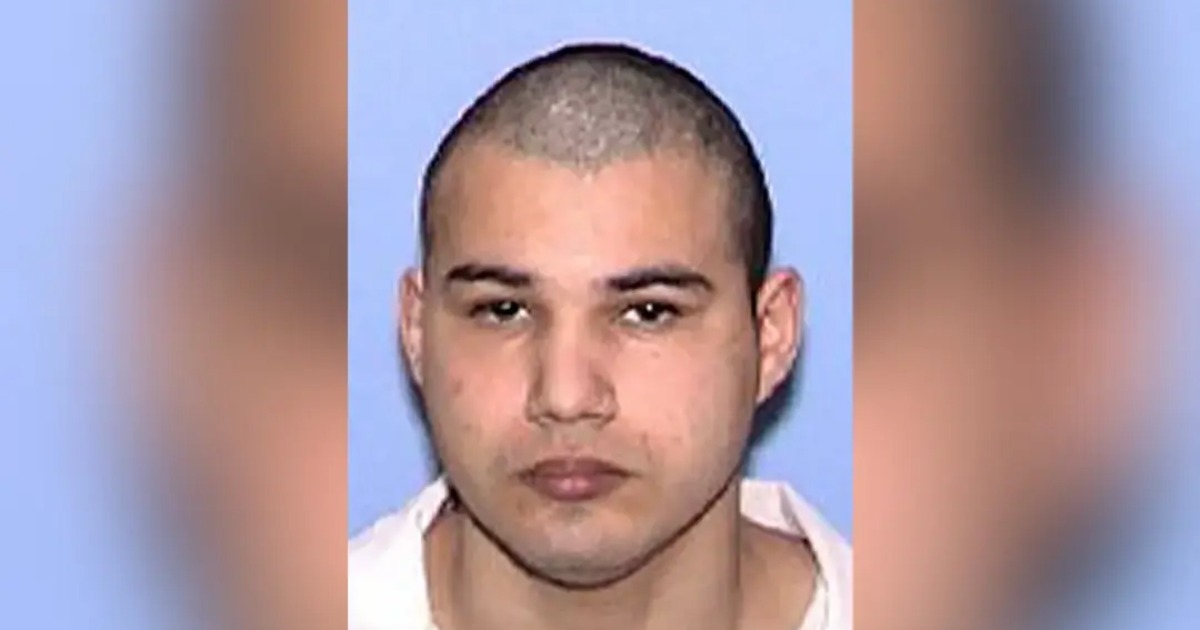
John Allen Rubio, 46, was put to death by lethal injection at the Texas State Penitentiary in Huntsville on Thursday, November 12, 2026.
He had been sentenced to death for the 2003 murders of three children in Brownsville, Texas, including his infant daughter and two young children he helped raise.
Before the execution, Rubio addressed his family, reflected on his time in prison and spoke about his religious beliefs.
However, one particularly unsettling part of his statement concerned the children whose lives he had taken.
What were John Allen Rubio's final words?
According to The Associated Press, Rubio thanked his friends and relatives for supporting him during his years in prison.
He told them he appreciated their love and understanding and said he was no longer the same person he had once been.
Rubio also thanked prison staff for helping him develop his religious faith.
He expressed regret towards the family of his common-law wife, Angela Camacho, who is serving a life sentence for her role in the killings.
But the most disturbing part of his final statement came when he spoke about what he believed would happen after his execution.
"I'm going to be with my kids in a little bit," Rubio said.
He added that he was ready to go to heaven to be with his Lord and saviour.
The remarks were particularly striking given that Rubio had been convicted of murdering the children he was referring to.
His statement reflected his professed religious beliefs, rather than any established conclusion about forgiveness or redemption.
Who were the three children killed by John Allen Rubio?
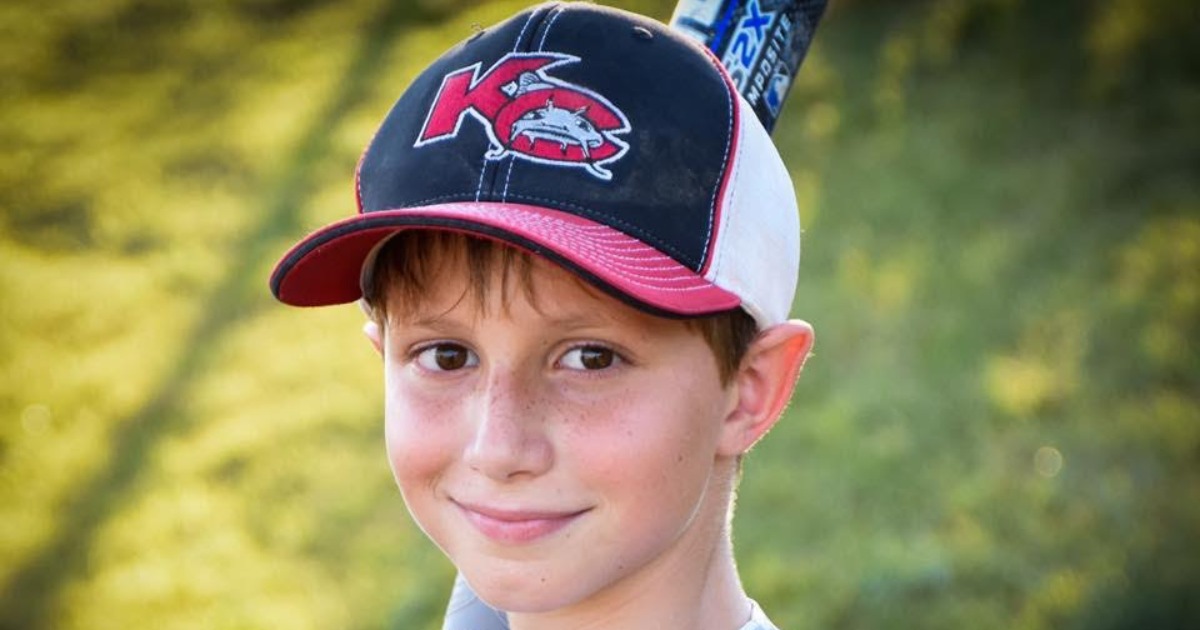
The victims were three-year-old Julissa Angela Quezada, 14-month-old John Esteban Rubio and two-month-old Mary Jane Rubio.
All three were killed in March 2003 inside the family's apartment in Brownsville, a city near the Texas-Mexico border.
Mary Jane was Rubio's biological daughter, while he had helped raise the two older children as his own.
Rubio and Camacho were accused of fatally stabbing and decapitating the children.
The killings shocked the local community and prompted an extensive criminal investigation.
The apartment building where the children died was eventually demolished, and the land was later transformed into a park and community garden.
Why did John Allen Rubio kill the children?
During the investigation and subsequent legal proceedings, Rubio made claims involving religious and supernatural beliefs.
According to court records and reporting by The Associated Press, he claimed at various points that the children were possessed by demons.
He also described himself as a chosen figure with a special purpose.
His defence team argued that serious mental illness had affected his thinking at the time of the murders.
Defence experts diagnosed him with paranoid schizophrenia, although prosecution experts disputed that assessment.
The conflicting expert testimony became an important part of the legal proceedings.
Rubio pleaded not guilty by reason of insanity, but jurors rejected that defence and convicted him.
His statements about the children being possessed were claims he made, not evidence that any supernatural event occurred.
What happened during John Allen Rubio's trial?
Rubio was initially convicted and sentenced to death following the killings.
However, his original conviction was later overturned after an appeals court ruled that statements made by Camacho had been improperly admitted as evidence.
The ruling did not end the prosecution.
Rubio faced a second trial in 2010, where he again pleaded not guilty by reason of insanity.
He was convicted again and sentenced to death.
Camacho separately pleaded guilty for her involvement in the murders and received a life sentence.
Rubio subsequently pursued legal challenges to his conviction and sentence, but the execution ultimately proceeded in November 2026.
What happened during the execution?
Rubio was executed at the state prison in Huntsville on Thursday evening.
Before the lethal injection began, a spiritual adviser briefly prayed over him.
Rubio then delivered his final statement, addressing his loved ones, prison staff and his religious beliefs.
According to The Associated Press, the execution was carried out using pentobarbital, a drug used in Texas lethal injections.
After the injection began, Rubio took several breaths and became unresponsive.
He was pronounced dead at 6:47pm local time, approximately 21 minutes after the procedure began.
His death came more than 23 years after the murders.
What happened to Angela Camacho?
Angela Camacho, Rubio's common-law wife, was also prosecuted in connection with the deaths of the three children.
She pleaded guilty and was sentenced to life imprisonment.
During his final statement, Rubio expressed love for Camacho and asked that a message be passed to her.
He also apologised to members of her family.
Camacho remains imprisoned for her involvement in the killings.
Was anyone else executed on the same day?
Rubio's execution took place just hours after another convicted murderer was executed in Oklahoma.
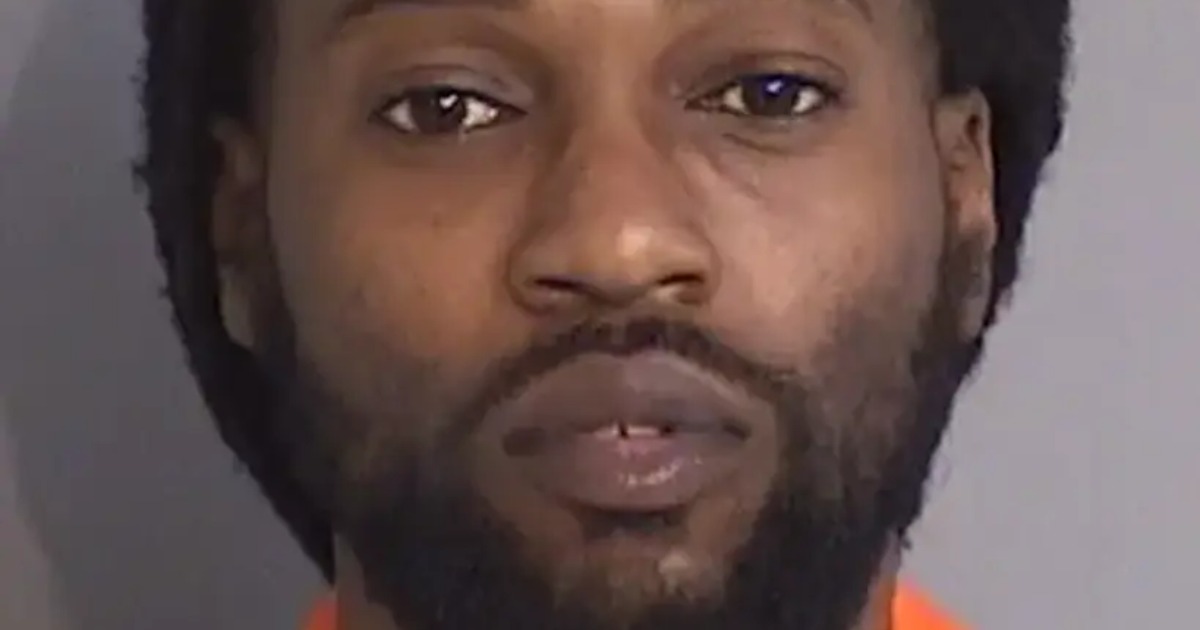
James Pavatt, 73, was put to death for his role in the 2001 murder of Rob Andrew, the estranged husband of Pavatt's girlfriend.
Pavatt had previously worked as a Sunday school teacher.
According to The Associated Press, he declined to make a final statement when asked whether he had any last words.
The two executions brought the number carried out in the United States during 2026 to 37 at that point in the year.
How has the case been remembered in Brownsville?
The murders of Julissa, John and Mary Jane left a lasting impact on the Brownsville community.
The building where they were killed was eventually demolished, with the site transformed into a public space.
Known as Tres Angeles Park, the location has served as a place for remembrance.
Following Rubio's execution, relatives and members of the community gathered to honour the children.
Although Rubio's final statement attracted attention because of its religious references, the case remains centred on the lives of three children who died in 2003.
They were just three years old, 14 months old and two months old when they were killed.
The execution brought an end to Rubio's death sentence, but it could not undo the loss experienced by their family and community.
Sources: The Associated Press, November 12, 2026; CBS News, November 12, 2026; UNILAD, November 14, 2026; reporting on Texas Department of Criminal Justice records.