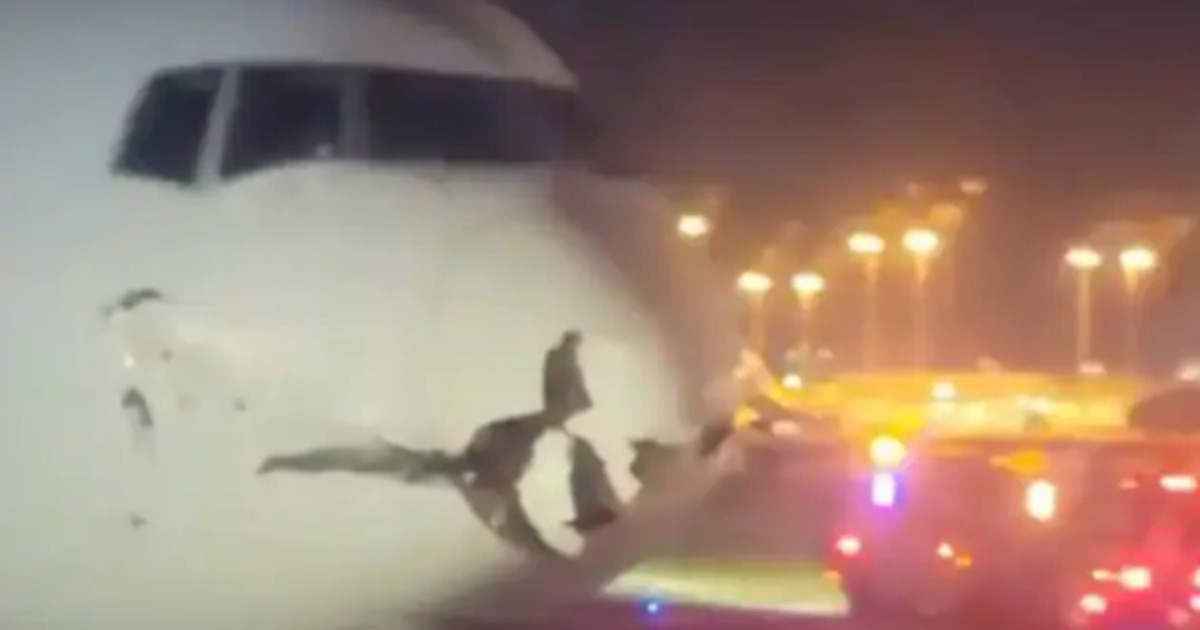
A pilot who previously flew the exact Learjet involved in a devastating Florida plane crash has revealed two possible explanations for the tragedy that killed all nine people on board.
Steve Morano, who operated the Learjet 60 months before the November 1 disaster, has spoken about what he believes could have caused the aircraft to suddenly lose control.
His comments come as investigators recover crucial new evidence from the wreckage, potentially bringing them closer to understanding the jet's final moments.
However, the National Transportation Safety Board (NTSB) has not yet determined the cause of the crash, and Morano's explanations remain theories rather than confirmed findings.
What happened to the Learjet in Florida?
The private aircraft departed Austin, Texas, on November 1, 2026, heading towards North Eleuthera in the Bahamas.
Captain Jeff Gregory and First Officer Nathalia Gadelha Filgueiras were operating the flight, which was carrying seven passengers.
As the jet approached South Florida, its crew encountered increasingly difficult conditions.
Air traffic control recordings captured the pilots reporting problems before the aircraft entered a rapid descent.
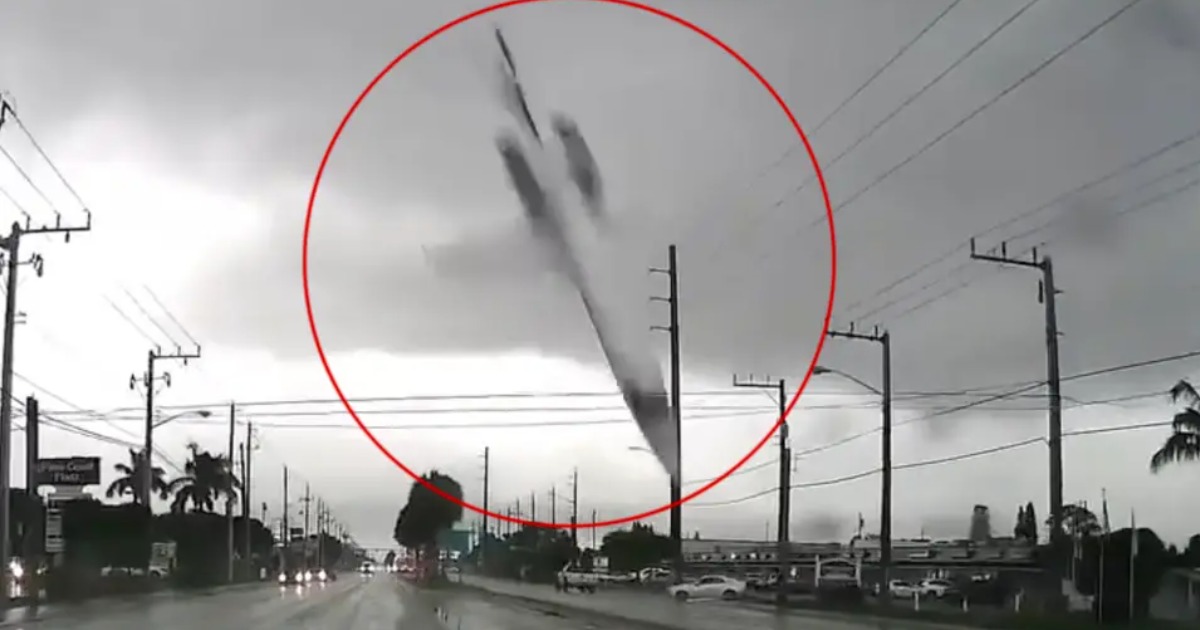
The Learjet eventually crashed near Military Trail in Greenacres, Palm Beach County, killing everyone on board.
Witnesses captured footage of the aircraft descending towards the ground before erupting into flames.
Investigators subsequently discovered pieces of the plane scattered across a wide area, raising questions about whether part of the aircraft had broken apart before impact.
What does the pilot believe caused the crash?
Morano has identified two possible explanations for the disaster: severe turbulence causing structural damage to the aircraft, or an unusual buildup of ice at high altitude.
His first theory involves the enormous forces that can develop inside powerful thunderstorms.
According to Morano, strong upward and downward movements of air can place tremendous stress on an aircraft, potentially damaging critical structural components.
He suggested that the Learjet's tail may have been particularly vulnerable.
While praising the strength of the Learjet's wing design, Morano questioned whether the aircraft's tail could have sustained damage during the encounter.
If the tail or its control surfaces were compromised, the pilots might have struggled to control the aircraft's pitch, potentially explaining its sudden nose-down descent.
However, investigators have not established that turbulence caused such a failure.
Why does the pilot believe the aircraft may have been in dangerous conditions?
Morano's second theory focuses on something he found particularly unusual in reports of the crew's final communications.
According to the pilot, the aircraft was encountering icing conditions at approximately 40,000 feet.
Morano explained that he had never personally experienced ice accumulating on an aircraft at that altitude during his flying career.
He said that at extremely low temperatures, atmospheric conditions generally make significant ice accumulation less likely.
But thunderstorms can create exceptional circumstances.
Powerful updrafts inside storm systems can transport moisture into higher parts of the atmosphere, potentially exposing aircraft to conditions that pilots would not ordinarily expect at those altitudes.
Morano suggested that this could explain the unusual icing reports.
He believes the reported conditions may offer an important clue about what the aircraft encountered before the crash.
However, icing at high altitude is not impossible, and investigators have not established whether ice accumulation contributed to the accident.
Should the Learjet have been flying through the storm?
The flight's reported encounter with severe weather has raised questions about its route and whether the aircraft could have avoided the most dangerous conditions.
Thunderstorms can present several serious hazards to aircraft, including extreme turbulence, icing, hail and powerful vertical air currents.
These dangers can be particularly significant when multiple hazards occur together.
Aviation safety guidance generally recommends avoiding severe thunderstorms rather than attempting to fly directly through their most intense areas.
According to reporting by the Associated Press, investigators are examining why the Learjet appeared to navigate around one large storm before entering an area where another storm was rapidly developing.
That does not establish that the crew knowingly entered unsafe conditions or made an incorrect decision.
The aircraft's exact weather information, flight planning, available alternatives and cockpit decision-making will need to be examined before any conclusions can be reached.
What new evidence have investigators discovered?
On November 9, the NTSB announced that investigators had recovered the aircraft's cockpit voice recorder.
The device was located at the initial impact site and transported to the agency's Vehicle Recorders Laboratory in Washington, DC.
Investigators are now assessing whether its recordings can be recovered.
If the device was operating correctly and its data survived the crash, it could provide important information about the conversations between the two pilots.
Unlike publicly available air traffic control recordings, the cockpit voice recorder may capture exchanges that were never transmitted over the radio.
That information could help investigators understand what the crew experienced and how they responded as the emergency developed.
The NTSB has not yet confirmed whether usable recordings have been retrieved.
Why are pieces of the aircraft's tail important?
Investigators have also recovered sections of the Learjet's left elevator, a control surface located on the tail that helps regulate the aircraft's pitch.
Some pieces were discovered more than a mile from the main crash site.
The location of this debris suggests that at least part of the aircraft began breaking apart before it struck the ground.
This finding is particularly relevant to Morano's theory involving possible structural damage to the tail.
However, the discovery alone does not explain why the components separated.
Investigators must determine whether the damage resulted from turbulence, aerodynamic forces, mechanical problems or another sequence of events.
Detailed examination of the recovered components will be an important part of that process.
What happens next in the investigation?
The NTSB is continuing its investigation into the November 1 crash.
Alongside examining the cockpit voice recorder and recovered wreckage, investigators are expected to review maintenance records, aircraft operating information and weather conditions.
They will also examine communications with air traffic control and gather information from people connected to the flight.
Investigations into major aviation accidents can take more than a year, particularly when complex mechanical and meteorological factors are involved.
For now, Morano's experience flying the same aircraft offers one perspective on what might have happened.
But until investigators complete their work, neither severe turbulence nor unusual icing can be identified as the definitive cause.
The newly recovered cockpit voice recorder could prove especially important in establishing what happened during the final moments of the flight.
For the families of the nine people who died, the investigation remains the clearest route towards understanding why the tragedy occurred.
Sources: VT, November 11, 2026; National Transportation Safety Board, investigation ERA27MA026, updated November 9, 2026; Associated Press, November 9–10, 2026.