More than 20 million Americans have been included in a federal government payment programme worth $90 per person, with eligible households potentially receiving a combined $180 if two people qualify.
The one-time payments were announced by the White House on October 2, 2026, as part of a financial relief initiative aimed at helping Americans manage rising costs.
Approximately 20.8 million people are expected to qualify for the programme, representing a total distribution of nearly $1.9 billion.
Unlike several other high-profile cash payment proposals discussed in recent months, this programme was announced with an identified funding source and payment arrangements.
However, the money is not available to everyone, and there are important exclusions that could affect whether a household receives anything.
Here's what the payments are for, who qualifies and how to check whether you're entitled to the money.
What are the $90 government payments for?
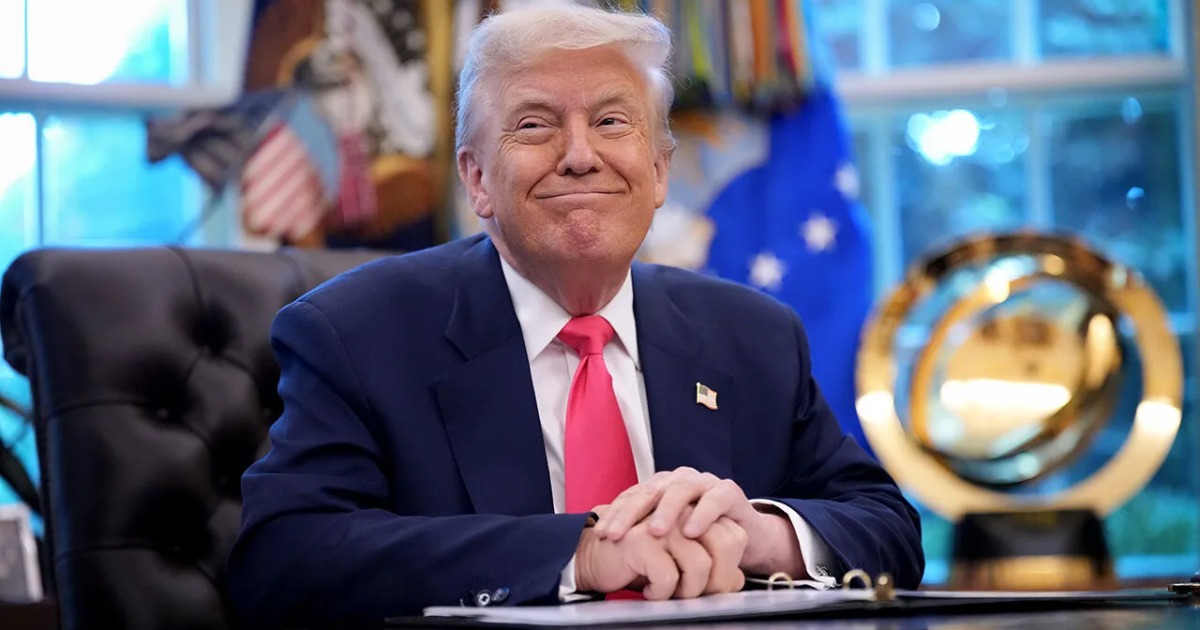
The payments are part of a Medicare Part B premium rebate programme announced by President Donald Trump's administration.
Medicare Part B helps cover medically necessary services, including many doctor appointments, outpatient care, preventive services and certain medical equipment.
Most beneficiaries pay a monthly premium to maintain this coverage.
For 2026, the standard Medicare Part B premium is $202.90 per month.
The federal government announced a one-time $90 payment intended to help eligible beneficiaries offset part of their premium costs.
The payments are not a new monthly Social Security benefit and do not represent a permanent reduction in Medicare premiums.
Instead, they are a one-off payment funded through an existing federal programme.
Who is eligible for the $90 Medicare payment?
The programme is primarily intended for eligible people enrolled in Original Medicare Part B who pay their own standard Part B premiums.
According to the White House announcement and subsequent Medicare guidance, eligibility generally requires beneficiaries to meet the following conditions:
Medicare Advantage, also known as Part C, is an alternative way to receive Medicare benefits through private health plans.
People enrolled in Medicare Advantage are excluded from the rebate, even though many also pay a Medicare Part B premium.
This distinction has prompted criticism from consumer advocates, who have questioned why people paying similar premiums are treated differently.
Who will not receive the $90 payment?
Several groups of Medicare beneficiaries are excluded under the announced rules.
These include people who pay an Income-Related Monthly Adjustment Amount (IRMAA), an additional premium charged to certain higher-income Medicare beneficiaries.
People whose Part B premiums are already paid by Medicaid or other qualifying state assistance programmes are also excluded.
Beneficiaries enrolled in Medicare Advantage plans do not qualify for this particular rebate.
Individuals who only have Medicare Part A, without qualifying Part B coverage, are not eligible either.
Because eligibility depends on the specific type of Medicare coverage and premium arrangements, being enrolled in Medicare does not automatically guarantee a payment.
Can married couples receive $180?
Yes. Because the payment is calculated per eligible individual, a married couple could receive a combined $180 if both spouses independently qualify.
For example, if two spouses are each enrolled in qualifying Original Medicare Part B coverage and satisfy the other requirements, each may receive a separate $90 payment.
However, one spouse qualifying does not automatically mean the other qualifies.
Their respective coverage and premium arrangements must meet the programme's criteria.
The payment is not calculated according to the number of people living in a household, and it is not a general family benefit.
How do Americans claim the $90 payment?
Eligible beneficiaries do not need to submit a separate application.
According to the White House, the payments are intended to be distributed automatically using existing federal payment information.
Most eligible recipients with direct deposit arrangements were expected to receive the money electronically.
Those without direct deposit were expected to receive a paper check at the mailing address registered with Medicare.
The automatic process means recipients should not need to pay a fee or provide sensitive banking information through an unfamiliar website.
Anyone receiving unsolicited messages claiming they must register or pay a processing charge to unlock their payment should be cautious.
When were the $90 payments scheduled to arrive?
The White House announced the programme on October 2, 2026, and said most eligible beneficiaries would receive their payments in early October.
Subsequent reporting identified October 8 as an expected date for many direct deposit recipients.
Paper checks were expected to arrive later in October, depending on mailing arrangements.
Because the original distribution schedule was in October, the programme should not be confused with a newly announced November or December payment round.
Beneficiaries who believe they qualified but did not receive the money can contact the relevant federal agencies for further information.
What should you do if your $90 payment hasn't arrived?
The White House provided two official contact options for people with questions about the rebate.
To check eligibility, beneficiaries can contact Medicare at 1-800-MEDICARE (1-800-633-4227).
For questions about payment status, beneficiaries can contact the Social Security Administration at 1-800-772-1213.
Before calling, recipients may find it helpful to confirm whether they are enrolled in Original Medicare or Medicare Advantage and whether they pay the standard Part B premium.
They should also check the bank account or mailing address normally associated with their federal benefits.
The programme does not require a paid third-party claims service.
Where is the government getting the money?
The rebate is being funded through the Medicare Improvement Fund, which Congress established in 2008.
The fund was created to support improvements to the Original Medicare programme.
According to the White House, approximately $2 billion was available through the fund when the rebate initiative was announced.
With around 20.8 million people expected to receive $90 each, the total cost is approximately $1.87 billion.
That means the programme uses a substantial proportion of the fund's available resources.
The Medicare Rights Center has noted that the money does not represent a refund of premiums previously overpaid by beneficiaries.
Instead, it comes from federal funds allocated for Medicare improvements.
Why have some Medicare advocates criticised the payments?
Although the rebate provides additional money to qualifying beneficiaries, consumer advocates have raised questions about its design.
One major concern is the exclusion of people enrolled in Medicare Advantage.
These beneficiaries generally continue paying Medicare Part B premiums, yet they are not included in this particular payment programme.
The Medicare Rights Center has highlighted this distinction and questioned the use of the Medicare Improvement Fund for a one-time distribution.
Advocates have also noted that the programme is temporary and does not permanently address the rising cost of Medicare coverage.
For recipients, the $90 payment provides some financial relief, but it does not eliminate the ongoing monthly premium.
Are these payments separate from other government checks?
Yes. The Medicare rebate is separate from other federal and state payment programmes that have attracted attention during 2026.
These include proposals for larger nationwide cash payments, state-administered rebates and assistance programmes with different eligibility rules.
Some of those initiatives have already been authorised, while others remain proposals.
The Medicare payment should not be confused with a new Social Security cost-of-living adjustment, a general stimulus check or a state tax refund.
Receiving one type of payment does not automatically establish eligibility for another.
Will the $90 Medicare payment happen again?
The administration announced the rebate as a one-time payment.
There has been no confirmed commitment in the programme announcement to provide another $90 payment every month or every year.
Any future distribution would require its own funding and authorisation arrangements.
Beneficiaries should therefore avoid including a recurring $90 payment in their household budgets unless a further programme is officially announced.
What should eligible Americans do now?
For eligible Medicare beneficiaries, the payments were designed to be distributed automatically.
Those who believe they qualify but have not received the money should check their payment records and contact the appropriate federal agency.
Medicare can answer questions about eligibility, while the Social Security Administration can assist with payment-status enquiries.
Official information is available at Medicare.gov and SSA.gov.
The programme represents a confirmed one-time payment for qualifying Medicare beneficiaries, but it is not a nationwide benefit available to every American.
Understanding the eligibility rules is therefore essential before expecting a payment.