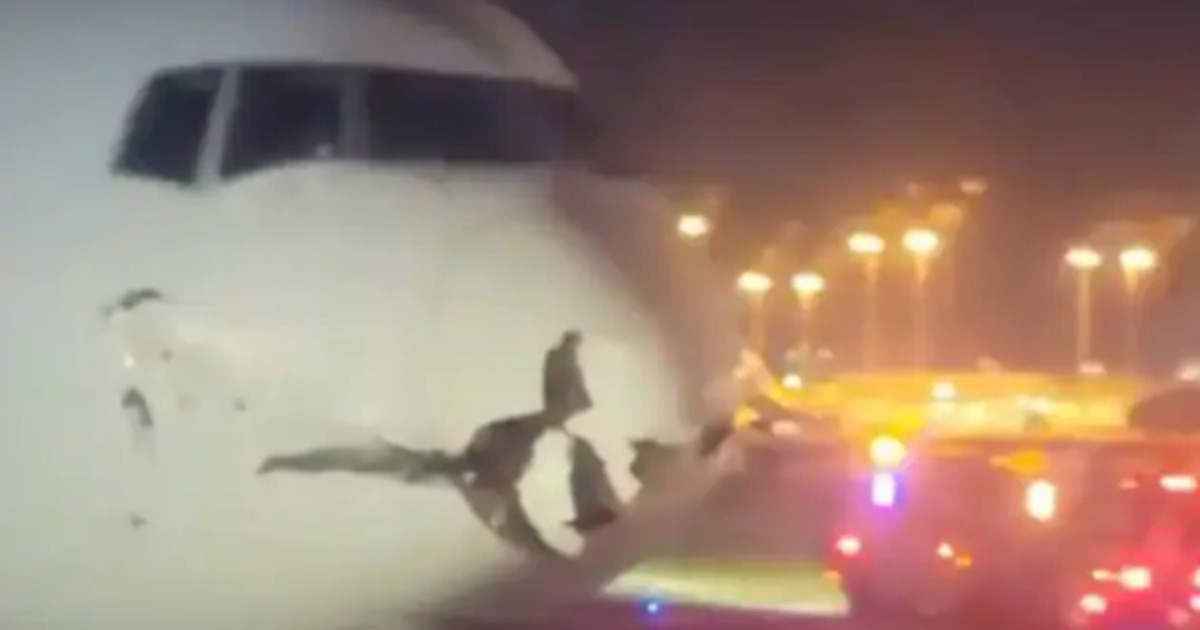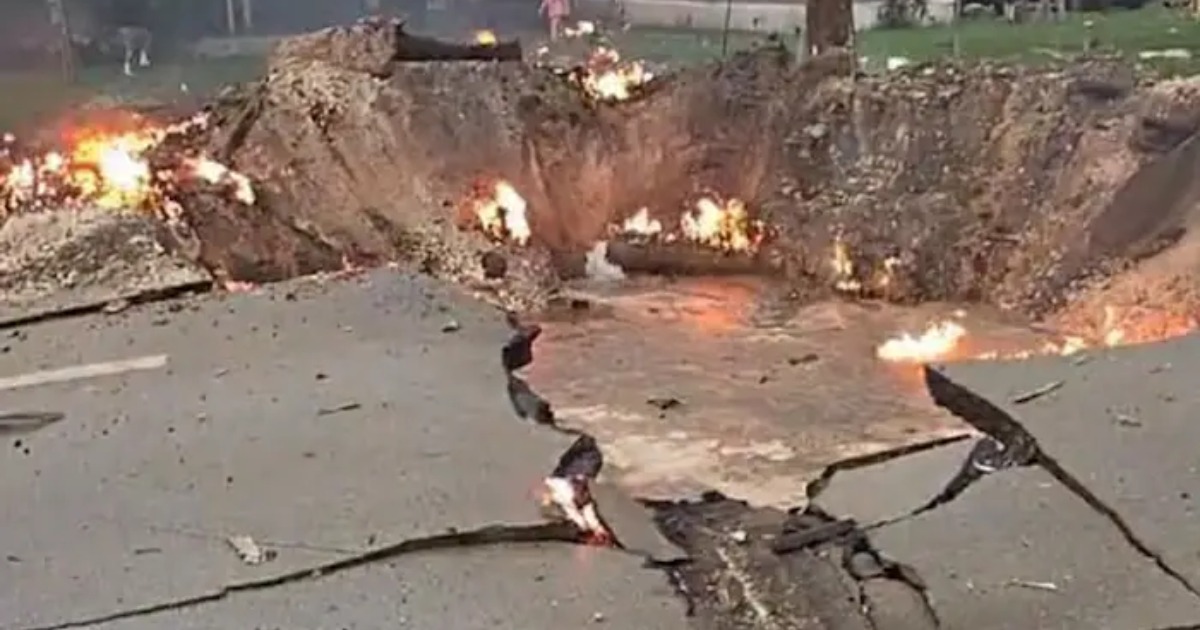
A funeral director with more than four decades of experience has explained why investigators could face significant difficulties recovering and identifying the remains of the nine people killed in the Florida Learjet 60 crash.
The private aircraft crashed near Greenacres, Florida, on Sunday, November 1, 2026, after reportedly descending rapidly from cruising altitude.
The Learjet had departed Austin, Texas, and was travelling towards North Eleuthera in the Bahamas when the emergency unfolded.
All nine people on board were killed, including Captain Jeffrey Gregory, First Officer Nathalia Gadelha Filgueiras and seven passengers.
As federal investigators continue examining the wreckage, funeral director Raymond Whitaker has discussed the challenges that recovery and identification teams may encounter following such a devastating accident.
However, his comments are a general assessment based on the reported circumstances of the crash, rather than official findings about the condition or recovery of the victims' remains.
Why does the expert believe human remains may be difficult to recover?
According to Whitaker, several factors associated with a high-speed aircraft crash can make recovering identifiable human remains extremely challenging.
He identified the enormous forces generated during impact, the possibility of an intense post-crash fire, and the potential dispersal of debris across a wide area as major concerns.
The Learjet reportedly descended from approximately 35,000 feet in little more than a minute before striking the ground.
Although investigators have not publicly established its precise speed at impact, Whitaker explained that the sudden deceleration of an aircraft travelling at high velocity can cause catastrophic injuries.
He said that when an aircraft comes to an abrupt stop, its occupants can experience forces far beyond those the human body can withstand.
Such forces can cause extensive fragmentation, making the recovery and identification process more complicated.
Whitaker emphasised the severity of these conditions while acknowledging the sensitivity of discussing the deaths of the nine people on board.
How could the fire have affected the recovery operation?
Another factor highlighted by Whitaker was the possibility of an intense fire following the crash.
Aircraft such as the Learjet 60 commonly use Jet A aviation fuel, which can sustain extremely hot fires under certain conditions.
Whitaker explained that prolonged exposure to high temperatures can severely damage human remains and complicate forensic examination.
Fire can also affect clothing, personal belongings and other materials that might otherwise assist investigators in identifying victims.
However, the presence of fire does not automatically mean that identification is impossible.
Forensic specialists can sometimes recover usable DNA or other identifying information from severely burned or fragmented remains.
The success of those efforts depends on the condition of the material recovered and the forensic techniques available.
Investigators discovered parts of the aircraft miles from the crash site
The recovery operation may also be complicated by evidence that parts of the Learjet separated before it struck the ground.
During an earlier briefing, National Transportation Safety Board member Tom Chapman confirmed that sections of the aircraft's left elevator had been recovered away from the main impact site.
The components were reportedly found between approximately 1.3 and 3.8 miles from where the aircraft crashed.
The elevator is a flight-control surface at the rear of the aircraft that helps regulate the movement of its nose.
Its separation before impact is a significant finding, although investigators have not established why the components detached.
Whitaker suggested that an aircraft breaking apart in flight could potentially scatter debris over a much larger area than the main crash location.
That could require recovery teams to search surrounding properties, roads and other locations.
Importantly, the discovery of aircraft components away from the crash site does not establish that human remains were dispersed in the same way.
Why could rain and water create further difficulties?
Whitaker also raised concerns about the effects of water and environmental exposure on biological evidence.
Rainfall and standing water can complicate access to crash sites and potentially affect the condition of materials recovered during an investigation.
Environmental conditions may also influence decomposition and the preservation of biological evidence.
However, DNA does not simply become unusable whenever remains are exposed to rain.
Forensic laboratories routinely examine biological material recovered from challenging environments, and the possibility of obtaining a DNA profile depends on numerous factors.
Consequently, environmental exposure may make identification more difficult without necessarily preventing it.
How are victims identified after major aviation disasters?
Following a fatal aircraft accident, specialist teams may use several methods to establish the identities of those who died.
These can include DNA analysis, dental records, fingerprints and comparisons with medical information obtained from families.
When remains are fragmented or extensively damaged, forensic teams may need to examine numerous separate samples.
DNA testing can involve comparing recovered genetic material with reference samples from relatives or personal belongings.
The process can take considerable time, particularly when evidence is damaged or difficult to recover.
In some cases, identification may take weeks or months, although timelines vary widely between incidents.
Specialists work to establish reliable identifications while treating the victims and their families with dignity.
Have any of the nine victims been identified?
According to VT's report published on November 9, investigators had not publicly confirmed whether remains belonging to the nine victims had been recovered or formally identified.
That absence of a public announcement does not necessarily mean recovery or identification efforts have been unsuccessful.
Authorities may withhold sensitive information while forensic examinations are ongoing or until relatives have been notified.
The NTSB has confirmed that investigators have recovered significant aircraft components, with some transported to its laboratories in Washington, DC, for further analysis.
Its investigation is focused on establishing the circumstances and probable cause of the crash.
Recovery and identification of victims may involve separate medical examiner and forensic authorities.
For now, Whitaker's assessment highlights the difficulties that can follow a catastrophic aviation accident, but the actual condition of the victims' remains has not been publicly established in the supplied reporting.
Sources: VT, November 9, 2026; comments attributed to funeral director Raymond Whitaker; NTSB investigative updates as reported by VT.