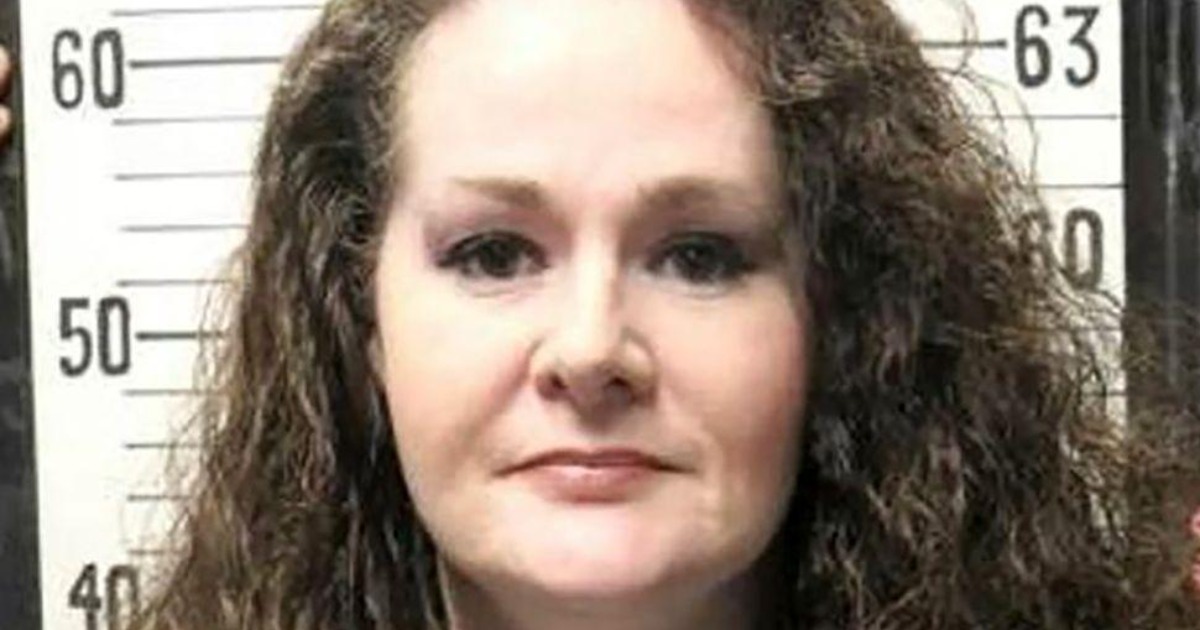

Christa Pike, 50, is scheduled to be executed by lethal injection in Tennessee on 30 September, which would make her the first woman put to death in the state in more than 200 years.
The crime
Pike was 18 when she and her then-boyfriend, Tadaryl Shipp, 17, beat, tortured, and murdered 19-year-old Colleen Slemmer in 1995, after accusing Slemmer of insulting her and attempting to steal Shipp's affections. Slemmer's body was found with a pentagram carved into her chest, and two other witnesses later testified that Pike had bragged about the killing both before and after it happened, showing them a piece of Slemmer's skull. Pike was sentenced to death the following year, while Shipp, ineligible for capital punishment due to his age, received a life sentence with the possibility of parole.
Her legal team's argument
Pike's lawyers filed a 226-page clemency petition, arguing that critical details of her childhood were never properly presented to the jury that sentenced her. A 1995 report by forensic psychologist Dr Diana McCoy found Pike had been severely neglected by both parents and physically and sexually abused by several of her mother's partners, including being raped at age 11 and again at 17. It later emerged she had also been repeatedly raped as a toddler by her grandmother's boyfriend, something her mother reportedly didn't believe at the time. However, Pike's original trial lawyer did not call McCoy to testify or call many of the witnesses she recommended, a decision only scrutinised more than a decade later when a new legal team argued ineffective counsel, a claim ultimately denied by the judge.
Sandra Babcock, an expert in gender and the death penalty at Cornell Law School who has worked on Pike's defence, said: "It is mind-boggling that they did not present any of her history of abuse and rape, even though they knew about it. Her case is so uniquely compelling, not just because of her really incomprehensible history of sexual violence but the combination of that with her youth and her mental illness." Pike was diagnosed with bipolar disorder while in prison in 2021. A separate forensic psychologist, Dr Bethany Brand, who assessed Pike in 2023, said her case stood out due to the sheer number of people who abused her rather than protected her, adding that untreated bipolar disorder and PTSD likely influenced how threatened she felt during the incident that led to Slemmer's death. Babcock argued more broadly: "If they let her be executed, then what it tells us is that the death penalty in this country is just a joke. It's not for the worst of the worst. It is for the people who receive the worst legal representation and who are the most damaged and vulnerable."
Where the legal process stands
Tennessee's Supreme Court ruled last year that Pike had not demonstrated circumstances justifying a commuted sentence, and a federal appeals court separately found that the jury had already heard some testimony about her difficult childhood from her mother, father, and aunt, and that newer evidence largely repeated what jurors had already considered. This week, the Tennessee Supreme Court denied Pike's request to halt the execution. Unless Governor Bill Lee grants clemency, something he has never done in a death penalty case, the execution is set to proceed. Pike has also requested an all-female execution team, citing concerns that being restrained by men could worsen her trauma; the state has said it aims to accommodate this but has not guaranteed it.
Colleen's mother's response
Slemmer's mother, May Martinez, supports the execution going ahead, telling Knoxville's WBIR in 2021 and reaffirming to the BBC this week: "She did the crime. I think she should pay for it." Martinez said she wants Pike to suffer before she dies, adding: "I would feel better that she felt the same pain that Colleen did." She described the ongoing toll of her daughter's death, saying: "My heart breaks every single day because I keep reliving it and reliving it, and I can't no more, and I want this to happen before I die. There's not a day goes by that I don't think about Colleen or how she died and how rough it was. I just want Christa down so I can end it, relieve my daughter, so she finally can be resting." The Justice Coalition, a victims' rights group, has raised funds to help Martinez travel to witness the execution, with executive director Robert Bracewell saying: "We stand firm with the family that on the 30 September her execution ought to proceed."
A friend's perspective
Ashlee Sellars, who met Pike in prison while serving her own sentence and now works in justice reform advocacy, said she struggles to reconcile the woman she knows with the crime committed decades ago, saying: "When I think about reconciling who you see on TV or the horrible tragedy that happened with Colleen, the only thing that makes sense to me is around mental health and trauma and the way that people process stuff in a moment when they don't have the things that they need. These horrible things happen in your youth and then those traumas moved through you, in our community, and you cause harm to somebody else." Sellars said Pike had asked that none of her loved ones be present at the execution, not wanting them to witness it.