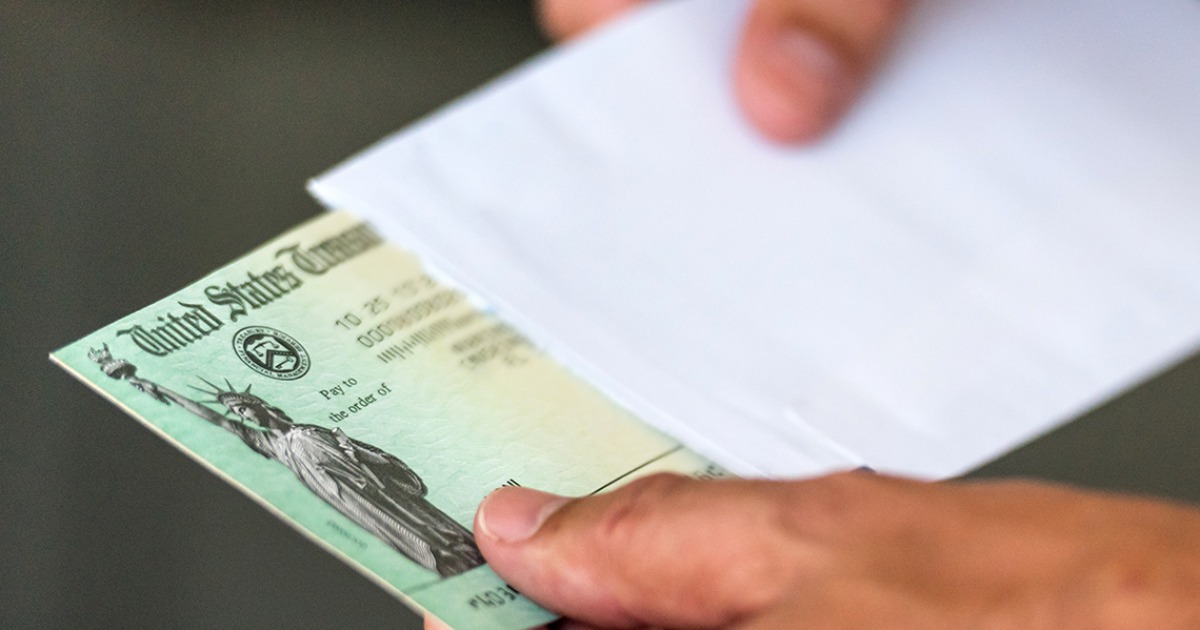
Millions of Americans could be missing out on tax refunds that never reached their bank accounts, with the US government explaining how taxpayers can track down and recover money they may still be owed.
Every year, federal and state tax refunds go undelivered or remain unclaimed for a variety of reasons.
Some taxpayers move house before their checks arrive, while others lose their payments or fail to submit a tax return despite being eligible for a refund.
In certain circumstances, the money can remain available to its rightful owner.
And depending on an individual's tax situation, the amount involved could be substantial.
Why are Americans missing out on tax refunds?
According to USAGov, millions of federal and state tax refunds go undelivered or unclaimed each year.
One common reason is that taxpayers change their address without notifying the Internal Revenue Service (IRS).
If a paper refund check is sent to an outdated address, it may be returned to the government.
Other taxpayers may have received a check but lost it before depositing the money.
There are also Americans who never filed a tax return, even though they had federal income tax withheld from their wages or qualified for refundable tax credits.
In those circumstances, filing a return may be necessary to receive the money.
Who could be eligible to recover a missing refund?
Americans who were entitled to a federal tax refund but never received it may be able to request a replacement payment or claim the money by filing an eligible tax return.
This can include people who:
Eligibility depends on the taxpayer's individual circumstances, the relevant tax year and applicable IRS deadlines.
Not everyone will be owed money.
How do you check if the IRS owes you money?
The IRS provides an online service called Where's My Refund?, which allows taxpayers to check the status of their federal income tax refund.
The official tool is available at:
Taxpayers generally need to provide:
The tool can help establish whether a refund has been processed or issued.
If the IRS indicates that a refund was sent but the taxpayer never received it, further steps may be necessary.
What should you do if your refund check never arrived?
The IRS says taxpayers can request a refund trace to investigate a missing payment.
A refund trace allows the agency to determine whether a refund check was cashed or remains outstanding.
Depending on the circumstances, taxpayers can begin the process through the Where's My Refund? tool or by contacting the IRS.
The agency provides an automated refund assistance number at 800-829-1954.
Taxpayers can also contact an IRS representative at 800-829-1040.
Those who filed a joint return may need to speak directly with an IRS representative or complete Form 3911, Taxpayer Statement Regarding Refund.
If the original check was never cashed, the IRS can generally cancel it and issue a replacement.
If the check was cashed, the Bureau of the Fiscal Service may investigate whether the payment was deposited legitimately.
What happens if someone else cashed your tax refund?
If a refund trace reveals that a check was cashed, the taxpayer may receive a claim package containing a copy of the deposited check.
The Bureau of the Fiscal Service will then review the claim and investigate the signature or other relevant evidence.
According to the IRS, this review can take up to six weeks.
A replacement payment is not automatically guaranteed when a check has already been cashed.
The outcome depends on the investigation.
What if you moved house before your refund arrived?
Taxpayers who moved after filing their return should ensure the IRS has their current mailing address.
The agency recommends submitting Form 8822, Change of Address, where appropriate.
People should also update their address with the United States Postal Service.
If a refund check was returned to the IRS, updating the address and following the agency's instructions can help resolve the issue.
Taxpayers who received an IRS CP237A notice concerning an uncashed refund check can call 1-800-829-0115.
USAGov states that many such refunds can be reissued within approximately 30 days after the taxpayer contacts the IRS.
Can Americans claim tax refunds from previous years?
Yes, but there are important deadlines.
Taxpayers who never filed a return may still be entitled to refunds for certain previous tax years.
However, federal law generally allows three years from the original filing deadline to claim a refund by filing a return, subject to applicable exceptions.
For example, the IRS announced in 2026 that more than 1.3 million taxpayers potentially had unclaimed refunds associated with the 2022 tax year.
The general deadline for claiming those refunds was April 15, 2026.
That particular deadline has already passed, so taxpayers should not assume that refunds from 2022 remain available.
More recent tax years may still fall within the permitted filing window.
People should consult the IRS rules for the specific year involved.
How much money could taxpayers recover?
There is no standard amount available to everyone.
A missing refund could be worth a relatively small sum or several thousand dollars, depending on the taxpayer's original return.
For someone who filed a return and never received the payment, the amount will generally relate to the refund that was originally due.
For someone who never filed, the potential refund depends on factors including income, tax withheld, credits and the applicable tax rules.
The IRS does not provide an automatic payment simply because someone checks their refund status.
What about missing state tax refunds?
Federal and state income tax refunds are administered separately.
Taxpayers who believe they are missing a state refund should contact the relevant state revenue department.
Each state has its own procedures for checking refund status and recovering payments.
Some states provide online refund tracking services similar to the IRS system.
Americans who have moved between states may need to contact the department responsible for the year in which they filed.
How can Americans avoid tax refund scams?
Tax refund scams frequently involve messages claiming that a payment is waiting to be collected.
Scammers may impersonate the IRS and direct recipients to fraudulent websites designed to steal personal information.
Taxpayers should access official IRS services by typing IRS.gov directly into their browser.
They should also be suspicious of unsolicited messages demanding a fee to release a refund or requesting sensitive information through an unfamiliar link.
Anyone concerned about a suspicious message can consult the IRS's official fraud and identity theft guidance.
Where can Americans find official information?
The federal government provides information about missing refunds through two official resources:
For Americans who filed a tax return but never received their money, checking the official refund status and requesting a trace where necessary may help recover the payment.
Those who never filed should review whether they are still within the legal deadline for claiming a refund.
Although not everyone will be owed money, checking an outstanding refund can be worthwhile, particularly when a payment may have been lost or returned after a change of address.
Sources: USAGov, Undelivered and Unclaimed Tax Refund Checks; Internal Revenue Service, Refund Inquiries; IRS Where's My Refund?; Forbes, March 23, 2026.