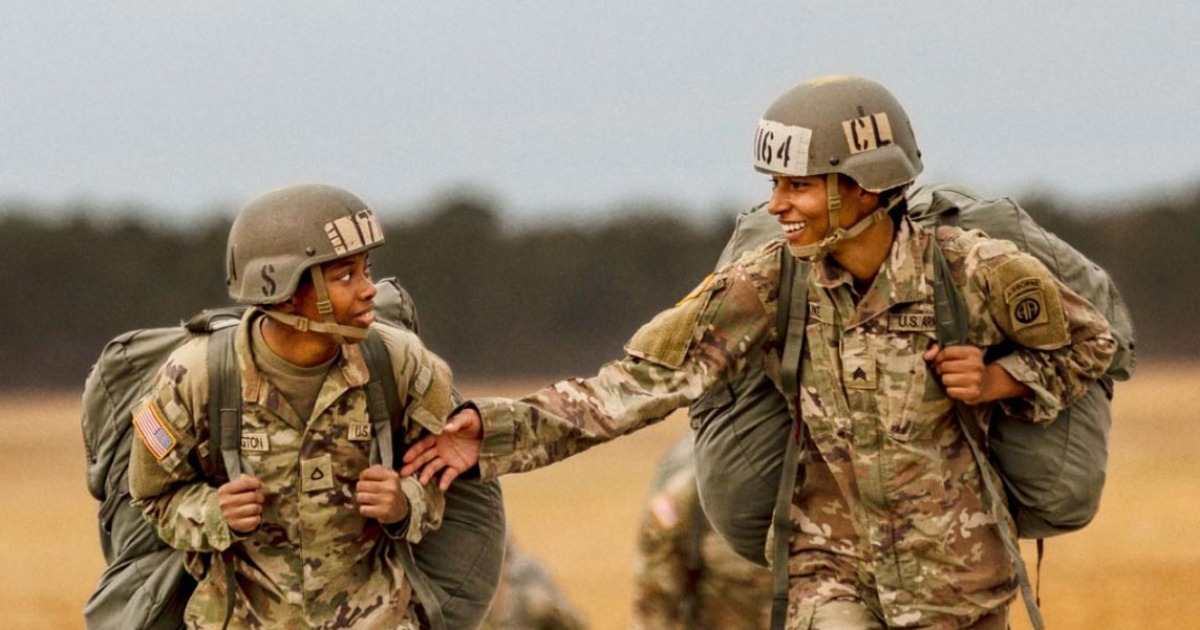

Millions of American men are facing a significant change to the United States' military draft registration system this December, prompting renewed questions about what would happen if the country introduced compulsory military service during a major conflict.
Although the US has not drafted anyone into military service since 1973, the Selective Service System continues to maintain records of people who could potentially be called upon during a national emergency.
New legislation is set to overhaul how eligible individuals are registered, while existing rules outline several possible exemptions, deferments and other responses if conscription were ever reinstated.
However, officials have emphasised that the upcoming change does not mean Americans are being ordered to join the military.
What is changing to the US military draft system in December?
Under legislation signed into law in December 2025, the Selective Service System is required to introduce automatic registration for eligible men.
The change is scheduled to take effect in December 2026, with a federal implementation deadline listed as December 19.
Currently, most male US citizens and many male residents aged 18 through 25 must register with Selective Service, generally within 30 days of their 18th birthday.
Under the new arrangement, the federal government will assume responsibility for identifying and registering eligible individuals using government records, rather than relying primarily on men to complete the process themselves.
The intention is to simplify registration, improve coverage and reduce administrative costs.
However, the rollout remains uncertain after the Selective Service System withdrew proposed implementing regulations in July 2026.
The underlying legislation remains in place, but the agency has not publicly established all the practical details of the new system.
Importantly, automatic registration is not the same as automatic enlistment or conscription.
What are the six options Americans could have if a military draft returned?
If the United States reinstated compulsory military service, individuals selected for induction could have several potential courses of action depending on their personal circumstances.
Some involve legally recognised exemptions or deferments, while others carry serious legal consequences.
1. Apply for conscientious objector status
Americans who hold sincere religious, moral or ethical objections to participating in war may be eligible to claim conscientious objector status.
Under the Selective Service framework, there are different classifications depending on the nature of the objection.
Someone who objects to combat but is willing to perform other military duties could potentially be assigned to noncombatant service.
Those who oppose participation in military service altogether may qualify for alternative civilian work considered important to the national interest.
However, simply disagreeing with a particular conflict or being afraid of combat does not automatically qualify someone for this classification.
Claims must be assessed through the appropriate Selective Service procedures.
2. Seek a medical exemption
People selected for military service would be required to undergo medical examinations to establish whether they meet the necessary physical and health standards.
Individuals with certain medical conditions, disabilities or other health limitations may be classified as medically ineligible.
However, having a medical condition does not automatically guarantee exemption.
Eligibility would depend on the nature and severity of the condition, along with the standards in force at the time.
Men who believe they would be medically unfit are still generally required to register with Selective Service.
3. Request a family hardship deferment
Another possibility is applying for a deferment because military service would create serious hardship for dependent family members.
This could potentially apply to someone who provides essential care or financial support to a relative who would otherwise face significant difficulties.
However, being married, having children or supporting a household would not automatically result in an exemption.
Applicants would need to provide evidence demonstrating why their circumstances justify special consideration.
A deferment may postpone military service rather than permanently remove the obligation.
4. Apply for another exemption or postponement
Other classifications may be available depending on a person's circumstances.
These can include certain members of the armed forces, National Guard or reserves, ministers of religion and people undertaking recognised religious-ministry training.
Some students may also qualify for limited postponements.
However, attending university does not automatically exempt someone from a military draft.
The specific rules would depend on the legal framework operating if conscription were reinstated.
5. Appeal a Selective Service decision
Individuals who believe they have been incorrectly classified may be able to challenge the decision through the Selective Service appeals process.
For example, someone whose medical condition or family circumstances were not properly considered could submit supporting evidence requesting a review.
Local boards are responsible for assessing certain claims, while appeal boards can review disputed classifications.
However, submitting an appeal does not guarantee that the original decision will be overturned.
6. Refuse to report for military service
The final possibility is refusing to comply with an induction order, although this is not a legally recognised exemption.
Under the Military Selective Service Act, knowingly failing to comply with a lawful requirement can result in criminal prosecution.
Potential penalties can include substantial fines and imprisonment.
Unlike a successful exemption or deferment application, simply refusing to report would not provide legal protection from prosecution.
Could Donald Trump bring back the military draft?
The December registration changes have generated speculation about whether the United States could eventually reintroduce compulsory military service, particularly amid international tensions.
However, the automatic registration law does not authorise a draft.
Reinstating compulsory military service would require further action by Congress and the president.
During a March interview, former White House press secretary Karoline Leavitt said a draft was not part of the administration's plans at that time, although she indicated that the president was keeping his options open.
Those comments did not amount to an announcement that conscription would return.
When was the last US military draft?
The United States last used compulsory military conscription during the Vietnam War era.
The draft ended in 1973 when the country transitioned to an all-volunteer military.
In 1980, President Jimmy Carter reinstated the requirement for eligible men to register with Selective Service, but this did not restart compulsory military service.
The registration system has remained in place ever since.
As December 2026 approaches, the most significant immediate development is the planned change to how eligible men are registered, not a decision to send Americans into combat.
For now, there is no active US military draft, and the six possibilities outlined above would become relevant only if compulsory service were reinstated and an individual received an induction order.