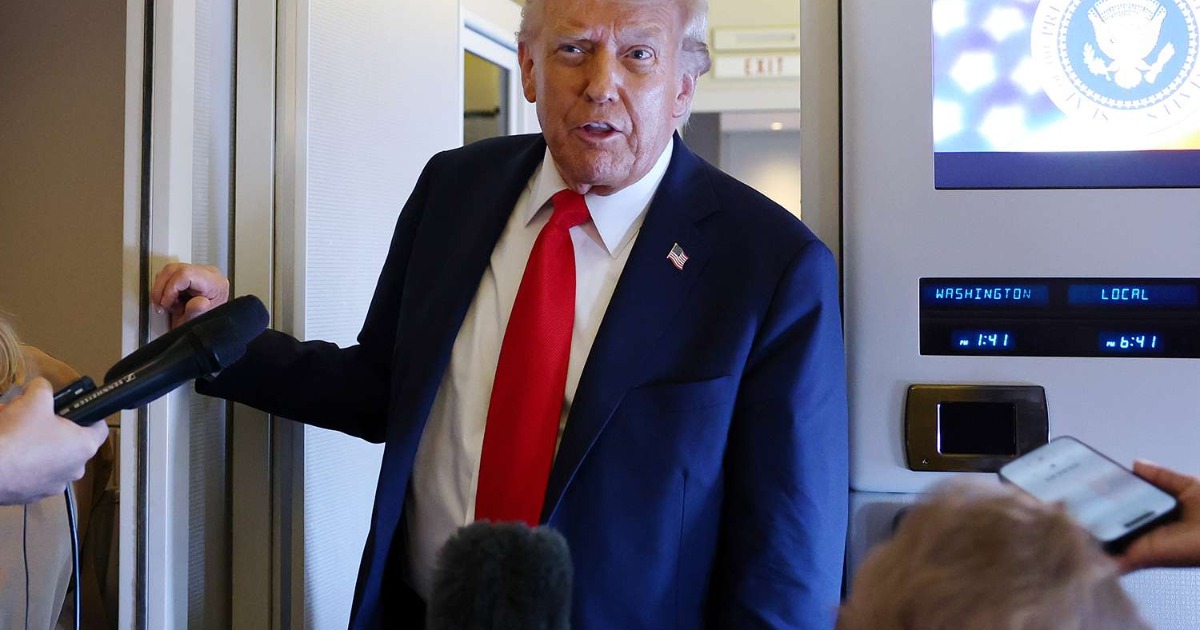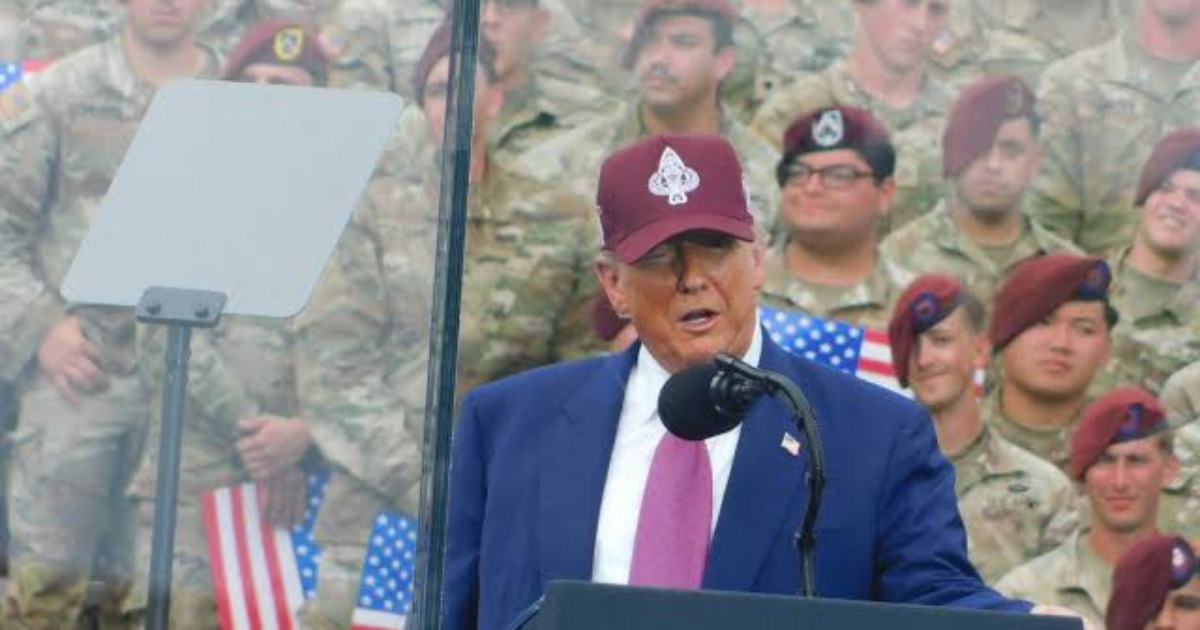

As tensions with Iran continue under President Trump's administration, questions have emerged about who would actually be affected if the US were to reinstate a military draft, with one detail of existing law creating an unusual political dilemma.
Current status of the draft
The US has operated with an all-volunteer military for more than five decades, with no draft carried out since 1973. However, the legal framework requiring registration remains active. The Selective Service System has proposed moving from a self-registration model to an automated system, a change that could take effect as early as December.
Who would actually be affected
Under existing federal law, which has been in place for decades rather than being newly introduced, registration requirements apply to men aged 18 to 25 living in the US, regardless of citizenship status. This includes not just US citizens, but green card holders, refugees, asylum seekers, parolees, and undocumented immigrants. Men on temporary, valid visas, such as students, tourists, or diplomats, are generally exempt while they maintain that status.
Speaking to The Mirror US, political analyst Christopher Lee of Foresight Strategic Advisors highlighted the resulting political irony, noting that many of the same groups the current administration has targeted for deportation, including refugees, asylum seekers, and green card holders, would also be legally subject to draft registration requirements. He said the statute itself carries very few exceptions for non-citizen residents, with conscientious objector status or country-specific legal restrictions being among the limited carve-outs.
Why a large-scale draft remains unlikely
Lee also pointed to practical military considerations that make mass conscription unlikely in the current context, given that a potential conflict involving Iran would most likely be fought through naval and air operations rather than large-scale ground troops. He described a ground invasion of Iran as impractical given the region's geography, and suggested some of the surrounding political discussion functions more as deflection than genuine military planning.
Current tensions
Trump recently warned on Truth Social that "the biggest attack of them all is waiting in the wings," while official guidance has urged Americans in the Middle East to remain vigilant given ongoing regional instability and potential disruption to travel and airspace.