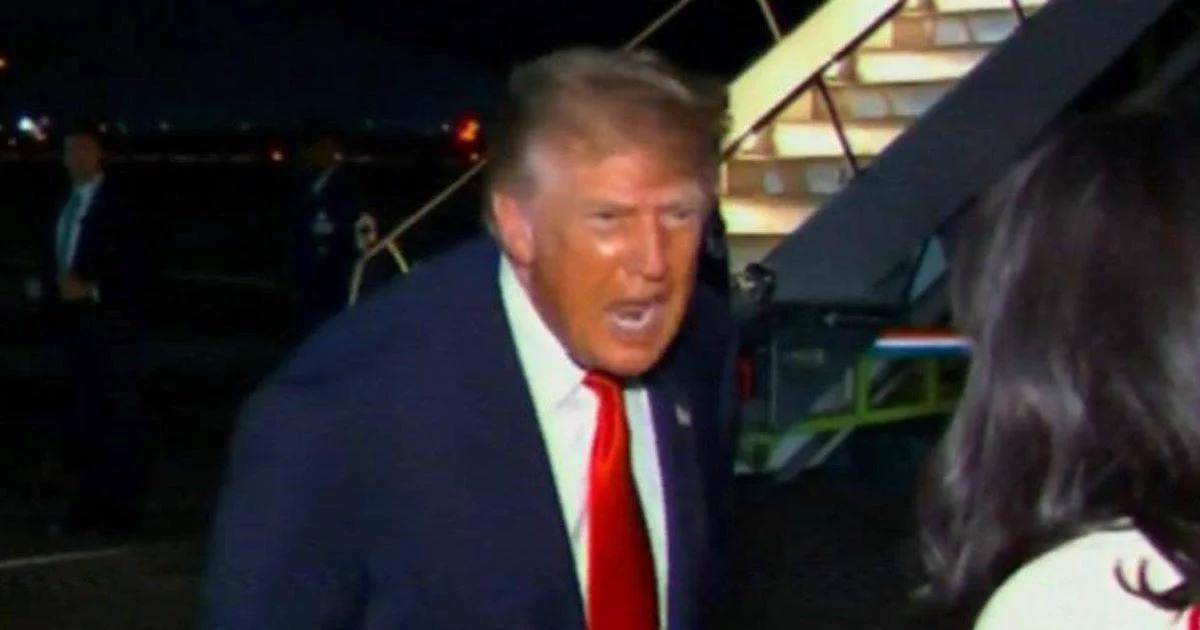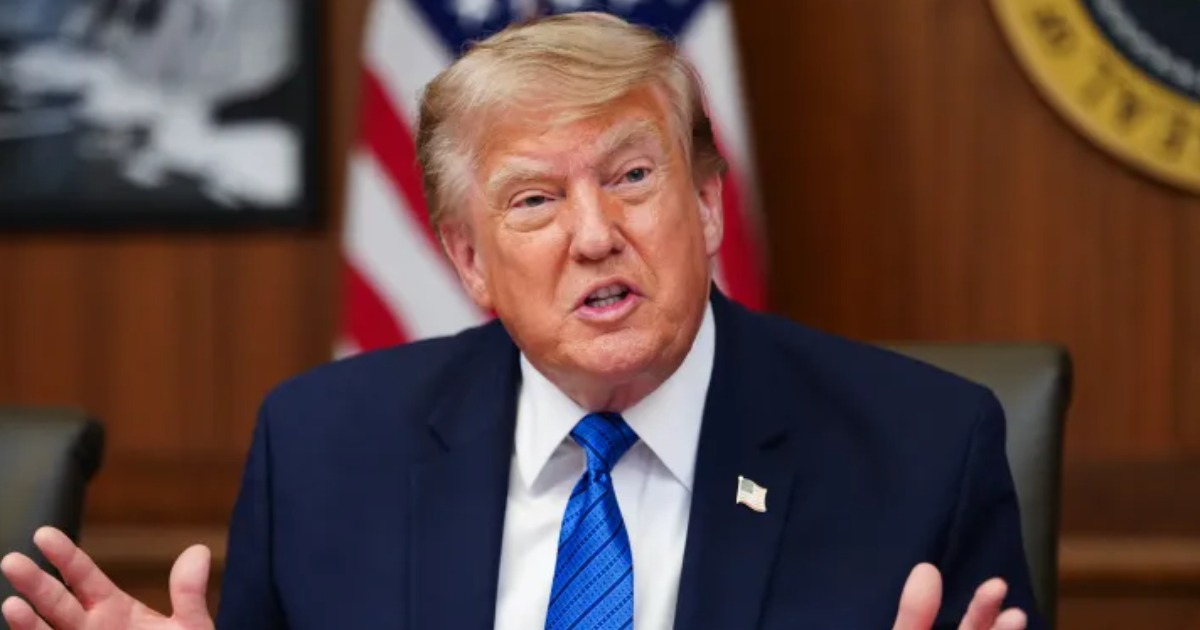

Commerce Secretary Howard Lutnick has said President Trump's promised $5,000 "dividend" for American adults wouldn't be funded through taxpayer money, offering yet another explanation for how the administration plans to pay for the pledge, joining a growing list of differing accounts from senior officials.
What Lutnick said
Speaking to NBC News at the National September 11 Memorial & Museum, Lutnick argued the administration could generate the funds needed without touching the deficit or taxpayer dollars. He pointed to two specific sources: the upcoming Trump Platinum Card, a Commerce Department program that would let wealthy individuals pay $5 million to extend their US visas by 270 days, which he said already has a waitlist of more than 100,000 people, and the administration's existing stake in Intel, purchased using $8.9 billion in CHIPS Act funding, which has since risen substantially in paper value.
It's worth noting the Intel gain remains unrealised, since the administration hasn't sold those shares, meaning the increase exists only on paper rather than as usable funds.
Conflicting explanations from different officials
Lutnick's explanation is the third distinct funding rationale offered by administration officials in recent days. National Economic Council Director Kevin Hassett told Bloomberg Television the White House was instead considering a congressional "reconciliation process" to fund the checks, with initial cost estimates around $1.3 trillion. Separately, Vice President JD Vance suggested the payments could come from tariff revenue, though the nonpartisan Tax Foundation has said tariff revenue, even before hundreds of billions were ordered refunded following a Supreme Court ruling, would fall well short of covering the cost.
The underlying budget reality
Regardless of the specific funding source claimed, every dollar distributed through the pledge represents a dollar unavailable for debt repayment, existing programs, or tax reductions. The announcement comes shortly after the US national debt surpassed $40 trillion for the first time in August, with the annual budget deficit approaching $1.8 trillion, its highest level since March 2021.
Lutnick said the administration intends to address the national debt separately by targeting "waste, fraud and abuse," though economists broadly view this as unlikely to meaningfully offset current deficit levels.
Public sentiment on the economy
The pledge comes amid notable public frustration with the administration's economic record. A recent Associated Press poll put Trump's approval rating on economic handling at just 32%, while an NBC News poll from April found 52% of Americans strongly disapproved of his approach to inflation and cost of living.
Despite this, Lutnick rated the current economy highly, giving it an A-minus and suggesting it could reach an A-plus if oil prices fell to $2 a barrel, a target he linked to increasing global oil supply, including from Venezuela and Iran. As of Friday, the average US price for regular gasoline stood at $4.29 per gallon, more than double that figure, with prices in parts of California reaching $10.
Latest inflation data
The US Consumer Price Index for August, released Friday, showed overall inflation rose 0.4% from July. Core inflation, which excludes food and energy costs, rose by more than economists had expected, a signal that price pressures from ongoing trade disputes and the conflicts in Iran and Ukraine may be spreading into other areas of the economy.