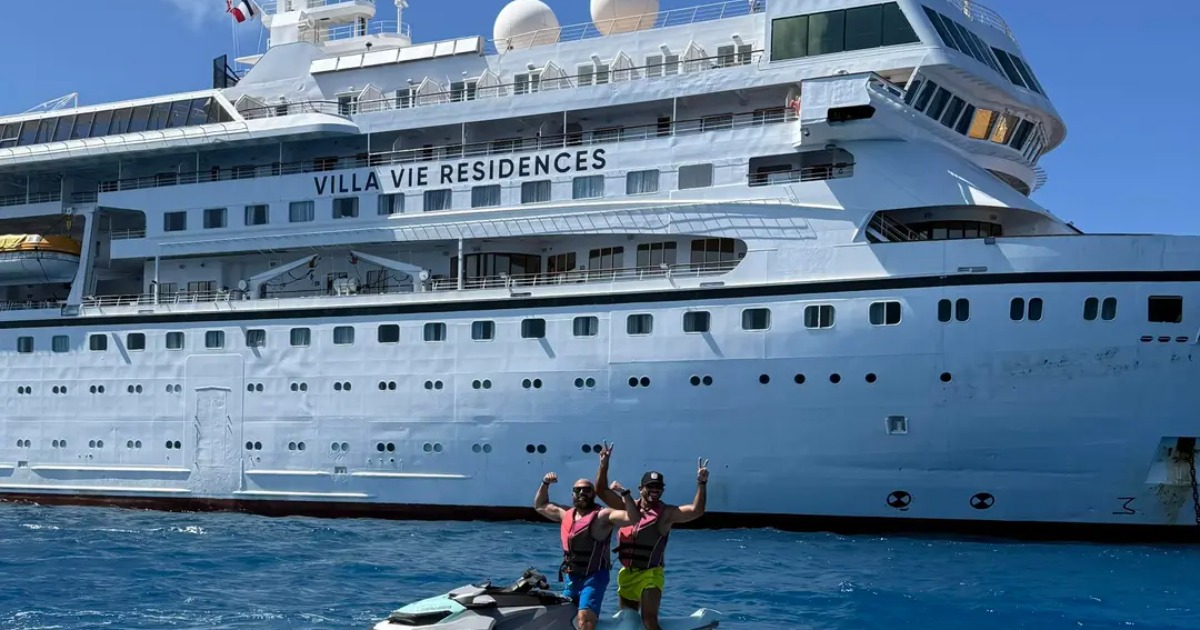

The founder of a residential cruise company has spoken out after approximately 200 passengers were unexpectedly told to leave their ship in Cambodia, bringing their dream of living permanently at sea to an abrupt halt.
Villa Vie Residences had promised customers the opportunity to travel the world aboard its Odyssey cruise ship, with some residents paying hundreds of thousands of dollars for cabins.
But on Wednesday, October 28, passengers docked in the Cambodian port city of Sihanoukville were reportedly given less than 24 hours to pack their belongings and disembark.
The sudden announcement left residents facing uncertainty about their accommodation, investments and future travel plans.
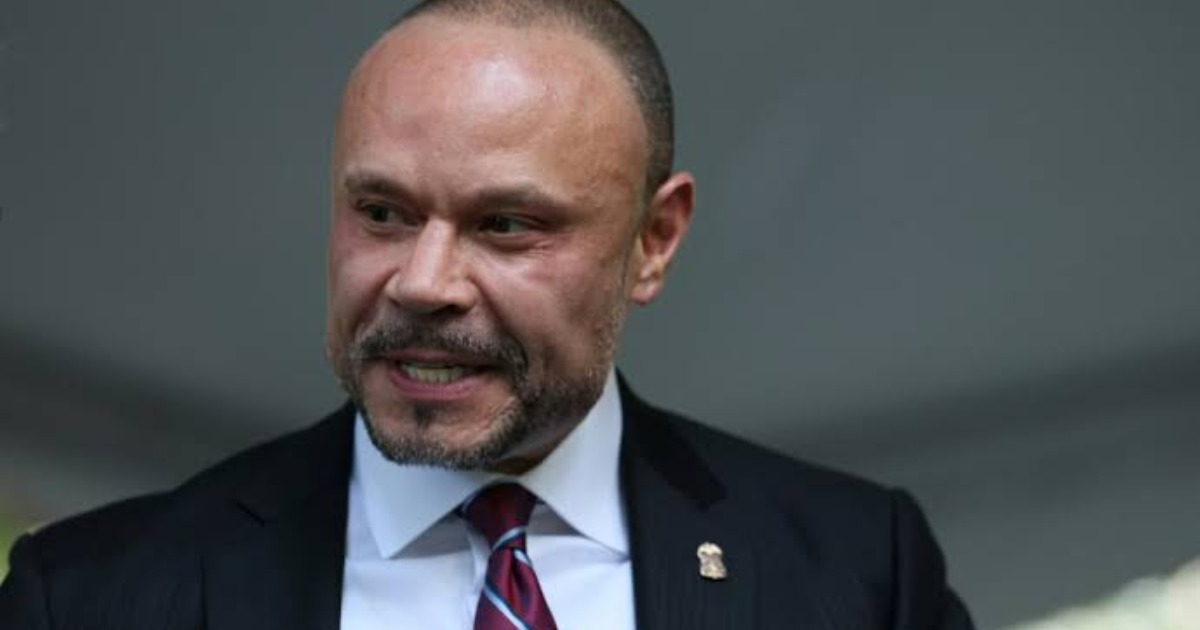
Now, company founder and executive chairman Mikael Petterson has addressed the situation, explaining what went wrong and whether the business could survive.
What did the 'never-ending' cruise founder say?
Villa Vie founder Mikael Petterson admitted he felt awful about the situation and acknowledged that he had let residents down as the company struggled with mounting financial problems.
Speaking to Business Insider, Petterson said the business had achieved more than previous attempts to operate a permanent residential cruise, but ultimately encountered difficulties it could not overcome.
He described the situation as "incredibly deflating" and acknowledged the responsibility he felt towards people who had trusted him to manage their lives aboard the vessel.
Petterson said he recognised that residents were relying on him to make important decisions about their future.
He also admitted that some passengers might see him as responsible for the situation, while insisting he was working to find a solution.
The founder said he was dedicating his time to trying to rescue the business and support affected residents.
Why were 200 passengers forced to leave the cruise ship?
The sudden disembarkation followed growing financial difficulties at Villa Vie Residences.
According to Petterson, one of the biggest problems was the sharp increase in marine fuel prices, which dramatically raised the cost of operating the vessel.
He linked the price increases to the conflict involving the United States and Iran, arguing that the business would have been in a much stronger position without the disruption.
The company had reportedly been paying between $600 and $700 per metric ton for marine gas oil, a fuel used by the vessel.
However, Petterson said prices had climbed to almost $2,000 per metric ton in Singapore by March and approximately $2,200 in Cambodia.
Those increases placed substantial pressure on the company's operating budget.
Unlike larger cruise operators, Villa Vie was not in a position to protect itself against major fuel price fluctuations through extensive hedging arrangements.
The company also experienced mechanical problems and other operational difficulties during the voyage.
How much did passengers pay to live aboard the ship?
Villa Vie Residences marketed the Odyssey as an alternative to traditional retirement or long-term travel arrangements.
Rather than booking a short holiday, customers could purchase or rent accommodation aboard the ship and travel between destinations while treating their cabin as a home.
Cabin purchase prices reportedly ranged from $119,999 to $439,999, depending on the accommodation selected.
The company had originally promoted an itinerary visiting 147 countries over approximately three years.
For some residents, the concept offered the opportunity to travel extensively without repeatedly arranging hotels, flights or other accommodation.
However, the unexpected suspension of operations has left questions about the value of those arrangements and the options available to affected customers.
Did the company ask residents for more money?
Reports suggest Villa Vie had been seeking additional funding for several months before operations were suspended.
According to Business Insider, the company asked residents in April to consider lending money to the business.
Those proposed loans reportedly offered interest rates ranging from 12 percent to 24 percent.
Later, in September, a company representative reportedly held a meeting with cabin owners to discuss raising approximately $1 million.
According to NBC News, the money was intended to help the ship depart Ha Long Bay in Vietnam.
Petterson acknowledged that some residents became concerned after learning more about the company's financial position.
Some subsequently attempted to sell their cabins, creating additional difficulties as the company struggled to attract replacement buyers.
These developments added to the pressure on a business already dealing with substantially higher operating costs.
What happened when the ship reached Cambodia?
On October 28, the Odyssey was docked in Sihanoukville when residents were reportedly informed they would need to leave the vessel.
Approximately 200 people were affected by the announcement, according to the reporting.
The short notice meant passengers had limited time to pack and make alternative arrangements.
For people who had been treating the ship as their permanent residence, the disruption was considerably more significant than the cancellation of an ordinary cruise holiday.
Some faced the immediate challenge of finding accommodation while also trying to understand what would happen to the company and their cabins.
The report did not establish a definitive timetable for when residents might be able to return.
Could the 'never-ending' cruise restart?
Petterson has indicated that the company's future remains uncertain.
One possibility is a court-supervised restructuring process that could allow the business to reorganise its finances while attempting to preserve the operation.
Another possibility is liquidation, which would involve winding down the business and dealing with its remaining assets and liabilities.
Neither outcome had been confirmed in the supplied reporting.
For the time being, the company has suspended normal operations and is taking steps to protect the vessel while it explores possible solutions.
Petterson said Villa Vie no longer had the financial capacity to continue operating the cruise as normal.
Despite that admission, he maintained that he was still trying to find a way forward.
What happens to passengers who bought cabins?
The situation raises significant questions for customers who purchased accommodation aboard the Odyssey.
Unlike passengers on a conventional cruise, some residents had made substantial financial commitments based on the expectation of living aboard for extended periods.
What happens to those investments may depend on the terms of their individual agreements and whether the company ultimately restructures or liquidates.
The supplied reporting does not confirm whether residents will receive refunds, compensation or alternative accommodation arrangements.
Any financial recovery could also depend on the company's remaining assets and obligations.
For now, residents are waiting for further information as Villa Vie attempts to determine whether its ambitious residential cruising concept can survive.
Is this the end of the 'never-ending' cruise?
Although the Odyssey's voyage has been suspended, the founder has not publicly abandoned his efforts to rescue the business.
Petterson has acknowledged the scale of the company's difficulties while continuing to explore potential financial solutions.
However, with operations halted and no confirmed restart date, the future of the residential cruise remains uncertain.
The situation highlights the financial challenges of operating a ship as a permanent floating community, particularly when fuel costs and maintenance expenses rise unexpectedly.
For the approximately 200 residents forced to leave the Odyssey, the immediate concern is what happens next to the lifestyle they had invested in.
Until the company provides a clearer plan, their promised life at sea remains on hold.
Sources: VT, Paddy Hayes, October 30, 2026; Business Insider interview with Mikael Petterson; NBC News and BBC reporting referenced in the original article.