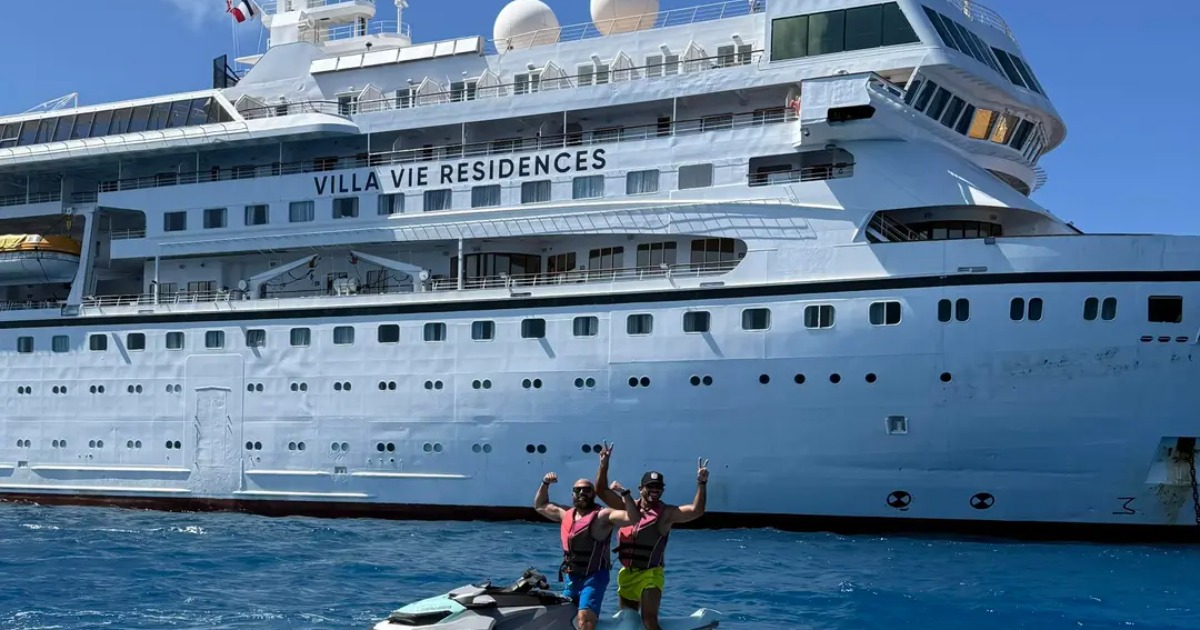

A man who dreamed of spending the next two decades travelling the world aboard a permanent cruise ship has revealed how his plans collapsed after just 26 days.
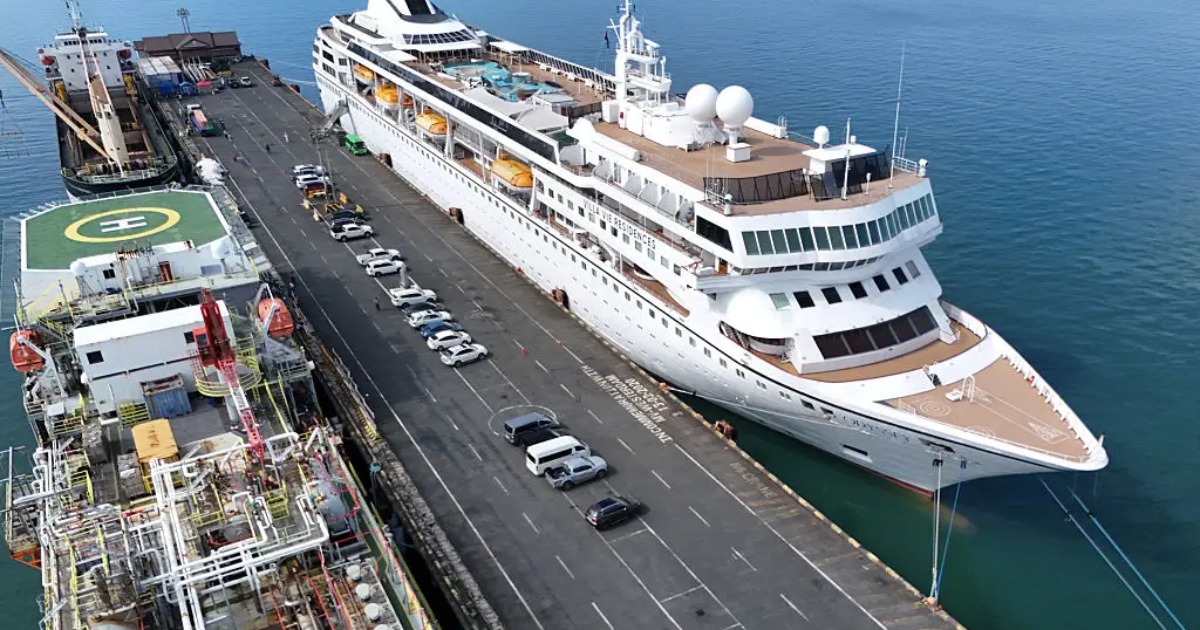
Joel Greiff, 57, had decided to leave his life in Florida behind and move aboard the Villa Vie Odyssey, a cruise ship offering passengers the opportunity to live at sea for years.
The unusual concept attracted people hoping to swap traditional retirement or everyday living for a lifestyle built around international travel.
Cabins were advertised for between $119,999 and $349,999, with rental arrangements also available for those who preferred not to purchase accommodation outright.
But the dream came to an abrupt end when passengers were told to leave the ship during a stop in Cambodia on October 27, 2026.
Some residents had sold their possessions in anticipation of spending the rest of their lives aboard, while others had only recently moved in.
For Greiff, who boarded on October 1, the experience lasted less than a month.
Why was the man kicked off the endless cruise after just 26 days?
The Villa Vie Odyssey's voyage was brought to an abrupt halt after the company ran into financial difficulties and failed to secure the additional investment needed to continue operating.
According to company founder Mikael Petterson, rising fuel costs linked to the conflict involving the United States, Israel and Iran had made operating the ship increasingly expensive.
He said the business had been unable to find new investors in time to keep the voyage running.
As a result, passengers were ordered to disembark while the vessel was docked in Cambodia.
Greiff told Business Insider that passengers had been warned about the company's financial position in the days leading up to the announcement.
On Sunday, October 25, residents were reportedly informed that the voyage could end unless the company secured additional money within a matter of days.
A similar warning followed the next day.
Then, on Tuesday morning, Greiff received a message instructing passengers to leave the ship by 2pm that afternoon.
For people who had spent months or years preparing for a permanent life at sea, the sudden deadline created an enormous logistical challenge.
Man planned to live aboard the cruise ship for more than 20 years
Greiff had initially visited the Villa Vie Odyssey for a short trial stay before deciding to commit to life aboard.
He spent four days on the vessel during an earlier visit and enjoyed the experience enough to imagine living there for at least two decades.
In August 2026, he left his home in Florida and began visiting friends and family to say goodbye before embarking on his new lifestyle.
He officially joined the ship on October 1, expecting to spend the coming years exploring different destinations.
Life aboard initially offered the sense of community and entertainment he had been hoping for.
Greiff described participating in activities including arts and crafts, theatrical performances and karaoke events organised for residents.
However, he also began noticing differences between his earlier trial stay and his experience as a full-time passenger.
Warning signs appeared before the cruise ended
During his short time aboard, Greiff noticed that some services were no longer operating as they had during his previous visit.
He said laundry services had become less frequent, leaving him responsible for washing his own clothes.
The ship's itinerary was also changing repeatedly, and passengers were spending extended periods at sea.
While these developments did not immediately mean the voyage was about to end, they became more significant as the company's financial difficulties emerged.
By October 25, residents were being warned that the operation might not be able to continue without additional funding.
Greiff had been aboard for just over three weeks when those warnings began.
Within another two days, passengers were told to leave.
Passengers given just hours to pack their belongings
On October 27, the Villa Vie Odyssey was docked in Cambodia when residents received instructions to disembark.
Greiff said he was heading back to the vessel at approximately 7am when he received the message telling passengers they needed to be off the ship by 2pm.
That gave residents only a few hours to organise their belongings and make alternative arrangements.
Greiff acknowledged that the process was particularly difficult for people who had lived aboard for much longer than he had.
Some passengers had accumulated extensive possessions and treated their cabins as permanent homes.
Others had sold property and reorganised their finances around the expectation that the ship would continue sailing.
The sudden announcement meant they had to find somewhere else to stay in a foreign country with very little notice.
What happened to Joel Greiff after leaving the ship?
Following his departure from the Villa Vie Odyssey, Greiff found temporary accommodation several hours away from where the ship had docked.
He also helped other passengers retrieve their luggage and find places to stay.
Despite the disappointment, he told Business Insider that he would consider returning to the ship if its operators found a viable way to restart the voyage.
His attitude was not shared by every former passenger.
Some residents reportedly said they had no regrets about attempting the unusual lifestyle, while others indicated they would not return even if the vessel resumed operations.
For Greiff, the experience was far shorter than the 20 years he had originally envisioned.
Some passengers never even made it aboard
While Greiff managed to spend 26 days on the vessel, other prospective residents were even less fortunate.
One woman, Lisa McKay, reportedly never had the opportunity to move into her cabin before the operation came to a halt.
The collapse left questions about the future of passengers who had committed substantial sums of money to the project.
Some had purchased cabins outright, while others had entered rental arrangements.
The supplied reporting does not establish whether every passenger will receive a refund or what financial protections may apply to individual agreements.
Those questions will depend on the company's arrangements, contractual terms and any subsequent developments.
How much did it cost to live on the Villa Vie Odyssey?
The Villa Vie Odyssey marketed itself as an alternative to conventional cruising, allowing passengers to make the ship their home rather than book a short holiday.
According to the advertised prices cited in the report, cabins ranged from $119,999 to $349,999.
That is approximately £90,000 to £263,000 using the currency conversions provided in the original reporting.
Rental options were also available, giving prospective residents another way to experience long-term life aboard.
The concept appealed to people who wanted to travel continuously without repeatedly booking accommodation, packing luggage and arranging separate trips.
However, the business still depended on being able to fund the considerable operating costs of a cruise ship.
Those costs include fuel, staffing, maintenance, port operations and essential services for passengers.
What has the founder of the endless cruise said?
Villa Vie founder Mikael Petterson has spoken publicly about the disappointment experienced by passengers following the voyage's collapse.
He said he felt awful about the situation and attributed the company's difficulties in part to increased fuel prices associated with the conflict involving the US, Israel and Iran.
According to his account, the rise in operating costs placed substantial pressure on the business.
The company attempted to secure additional investment but was unable to do so before the situation became unsustainable.
His explanation represents the company's account of what caused the financial problems.
The supplied reporting does not provide independently audited financial information establishing the precise contribution of fuel prices or other operating expenses.
Will the Villa Vie Odyssey sail again?
The future of the Villa Vie Odyssey remains uncertain following the decision to end the voyage and disembark passengers.
According to the reporting, the company would need to secure additional investment or another viable financial arrangement to resume operations.
There is currently no confirmed restart date in the information provided.
Some former residents remain interested in returning if the ship can operate again, while others have decided to move on.
For passengers who had sold their possessions or committed their savings to the concept, the uncertainty is particularly significant.
Greiff's experience highlights the risks of relying on a single commercial venture for both accommodation and long-term travel.
What was supposed to be the beginning of a 20-year adventure instead ended after just 26 days, leaving him and his fellow passengers searching for an entirely different future.