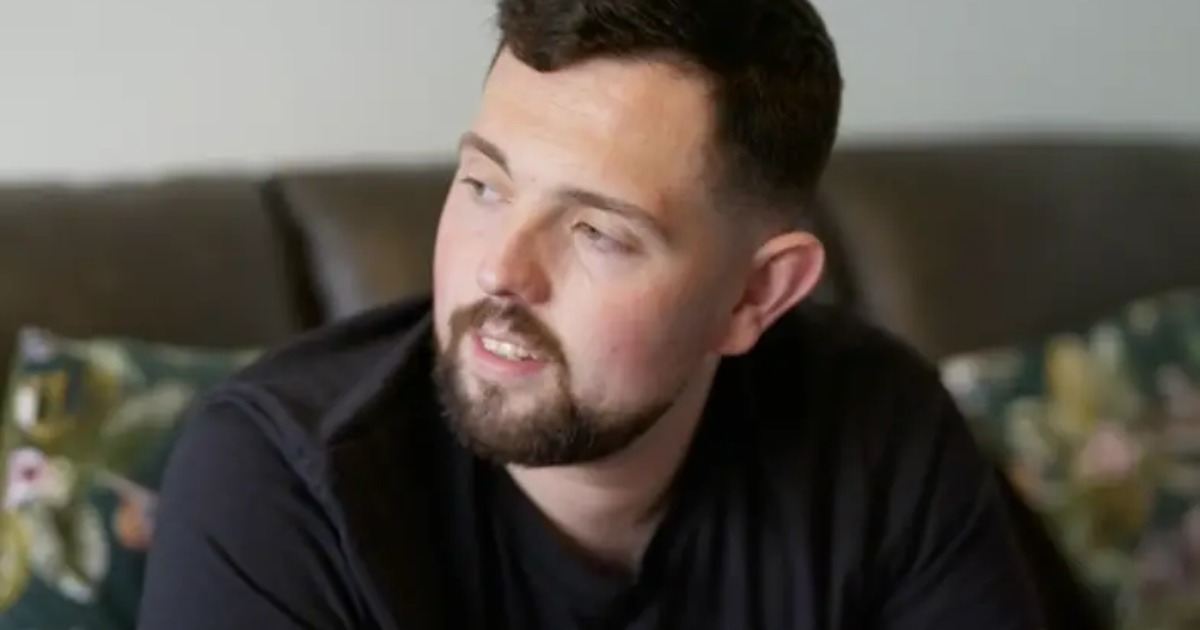

A man who began taking ketamine at the age of 16 has revealed how more than a decade of drug use has left him facing major surgery to remove and reconstruct his bladder.
Josh shared his experience in Stacey Dooley's BBC documentary Down the K Hole, which explores the impact of ketamine addiction on young people across the UK.
After years of using the drug, including four years of daily consumption, Josh developed severe damage to his urinary system.
His condition became so serious that doctors had to insert tubes into his kidneys to allow urine to drain into external collection bags.
Now in recovery, Josh is preparing for another major operation that could change his life permanently.
Why does Josh need his bladder removed?
Josh developed severe ketamine-related urinary tract damage, leaving his bladder and kidneys unable to function normally.
He explained that prolonged ketamine use had caused significant damage to his urinary system, preventing urine from draining properly.
As a result, his kidneys began to swell, creating a potentially dangerous medical situation.
Doctors inserted nephrostomy tubes into his kidneys, allowing urine to drain directly into external bags rather than passing through his damaged urinary tract.
However, the damage to his bladder is so severe that he is now awaiting reconstructive surgery.
Josh explained that surgeons plan to remove his existing bladder and construct a replacement using tissue from his small intestine.
This type of major surgery can be considered when the bladder has suffered extensive damage and other treatments are insufficient.
Although Josh expressed gratitude for the opportunity to undergo the operation, he acknowledged that complications remain possible.
How long had Josh been taking ketamine?
Josh told Stacey Dooley that he first began using ketamine when he was approximately 16 years old.
For years, his drug use was largely confined to weekends.
However, the pattern gradually escalated, and during the four years before entering rehabilitation, he was taking ketamine every day.
He explained that the drug had caused extensive damage to his health, particularly affecting his bladder and kidneys.
Eventually, the situation became so serious that he believed he had to make major changes to survive.
His experience illustrates how repeated recreational drug use can develop into a dependency with serious physical consequences.
What is ketamine bladder syndrome?
Ketamine bladder syndrome, also known as ketamine-induced uropathy or ketamine urinary tract syndrome, is a condition associated with repeated ketamine use.
It can cause inflammation and damage to the bladder and other parts of the urinary tract.
People affected may experience symptoms including:
In more severe cases, inflammation and scarring can cause the bladder to become smaller and less flexible.
Damage may also affect the ureters, the tubes that carry urine from the kidneys to the bladder.
If urine cannot drain normally, pressure can build up in the kidneys, potentially leading to further complications and kidney damage.
Some people improve after stopping ketamine, particularly when damage is identified early. However, advanced cases can require specialist treatment or surgery, and some damage may be irreversible.
Why does Josh have tubes connected to his kidneys?
Josh underwent a procedure to have nephrostomy tubes inserted after his urinary system stopped draining properly.
A nephrostomy tube is a small catheter placed through the skin into the kidney to allow urine to drain into a collection bag outside the body.
The procedure is used when urine cannot travel through its usual pathway.
For Josh, the tubes have become an unavoidable part of everyday life.
He explained that he wears loose-fitting clothing to accommodate the bags and initially struggled with their impact on his confidence and social life.
He described becoming depressed and finding it difficult to leave his flat after the tubes were first fitted.
Despite these challenges, the intervention has allowed doctors to manage the immediate drainage problems while planning further treatment.
What surgery is Josh preparing to undergo?
Josh is awaiting major bladder reconstruction surgery.
According to his account in the documentary, surgeons intend to remove his damaged bladder and create a replacement using part of his small intestine.
Such procedures involve complex surgery and require careful assessment of a patient's overall health, including kidney function.
Josh said he felt fortunate to have been offered the operation but was aware of the possibility of complications.
He also discussed the prospect of needing dialysis if his kidney function deteriorates further.
Dialysis is a medical treatment that removes waste products and excess fluid from the blood when the kidneys cannot perform those functions adequately.
Whether Josh will require dialysis in the future remains uncertain.
Josh opens up about his struggle with addiction
During the documentary, Josh discussed how ketamine had affected not only his physical health but also his emotional wellbeing.
He explained that using the drug allowed him to avoid confronting difficult feelings.
However, after undergoing hospital treatment, he experienced a relapse while struggling with the psychological impact of his condition.
He described intending to use only a small amount before returning to repeated use.
At the time of filming, Josh had been in rehabilitation and had remained free from ketamine for four months.
His account highlighted the challenges of addiction recovery, particularly when someone is simultaneously dealing with serious long-term health problems.
Another young man describes unbearable bladder pain
The BBC documentary also featured Liam, another man receiving treatment for ketamine addiction at a rehabilitation centre in south Manchester.
Liam explained that he had been addicted to the drug for approximately five years.
During the final year of his use, his bladder symptoms became significantly worse.
He described experiencing severe cramps, persistent pain and an urgent need to urinate despite being unable to do so normally.
His addiction also affected his employment and personal life.
Liam said he had lost multiple jobs and reached a point where ketamine dominated his thoughts and daily routine.
He described using the drug before ordinary activities, including going shopping.
Even after developing painful symptoms, he continued taking ketamine, which he identified as a major factor in the worsening of his condition.
His family expressed serious concerns about his health, with his older sister fearing that his addiction could have been fatal.
Like Josh, Liam entered rehabilitation in an effort to rebuild his life.
Why are experts concerned about ketamine use in the UK?
Ketamine is a dissociative anaesthetic that also has legitimate medical uses under professional supervision.
However, recreational use carries risks, particularly when the drug is taken frequently or in large amounts.
In the UK, ketamine is classified as a Class B controlled drug.
According to government figures cited in the documentary's coverage, ketamine use among 16- to 24-year-olds has risen substantially over the past decade.
The reporting states that past-year use in this age group increased by more than 230 per cent compared with ten years earlier.
Drug treatment services have also reported growing concerns about people presenting with ketamine-related physical health problems.
The BBC documentary examines the experiences of people receiving rehabilitation treatment, including some with severe urinary tract damage.
Can the bladder recover after stopping ketamine?
The extent of recovery depends on how much damage has occurred.
Stopping ketamine is a crucial step in preventing further injury, and some people experience improvement in urinary symptoms after discontinuing use.
However, prolonged exposure can lead to scarring, reduced bladder capacity and damage to other parts of the urinary tract.
When this damage is advanced, stopping the drug may not be enough to restore normal bladder function.
Some patients require medication, specialist urological procedures or reconstructive surgery.
Anyone experiencing bladder pain, blood in their urine, difficulty urinating or other urinary symptoms after ketamine use should seek medical assessment promptly.
Inability to pass urine, severe pain or signs of serious illness require urgent medical attention.
Where can people get help with ketamine addiction?
Josh and Liam's experiences highlight the importance of accessing support before drug-related harm becomes severe.
People concerned about their own ketamine use, or that of someone close to them, can speak confidentially with a GP or local drug treatment service.
In the UK, FRANK provides confidential information and support about drugs.
The service can be contacted on 0300 123 6600, or by texting 82111.
Further information is available at talktofrank.com.
Josh's story demonstrates how serious the consequences of prolonged ketamine use can become, even for someone who began taking the drug recreationally as a teenager.
Although he is now working towards recovery, he faces major surgery and continuing uncertainty about his long-term health.
Source: LADbible, October 21, 2026, reporting on the BBC documentary Stacey Dooley: Down the K Hole, with medical context from the British Association of Urological Surgeons.