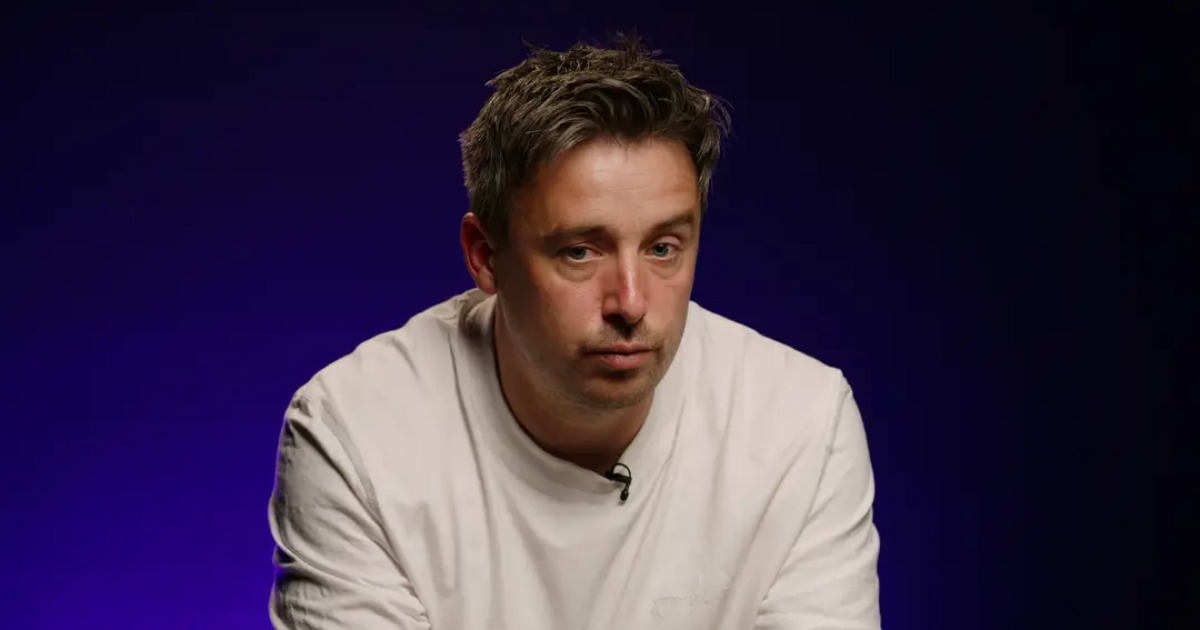
A man who underwent life-changing surgery after being diagnosed with penile cancer at just 26 years old has revealed the warning signs he believes other men should never ignore.
Steven Hamill was diagnosed with an aggressive form of the disease in 2019, after experiencing increasingly concerning symptoms that eventually led him to seek medical attention.
His diagnosis resulted in a partial penectomy, an operation in which surgeons removed approximately four inches of his penis to treat the cancer.
Now cancer-free, Steven has spoken candidly about his experience in an interview for LADbible Stories' Honesty Box series.
He explained how the symptoms first appeared, why he wishes he had sought help sooner and how the surgery affected his confidence and relationships.
He also identified two particularly important physical changes that he believes men should take seriously.
What was the biggest warning sign of Steven Hamill's cancer?
According to Steven, swelling around the head of his penis was the first major indication that something was wrong.
Speaking about the early stages of his illness, he explained that the swelling was one of the most noticeable changes before his condition became more severe.
He subsequently experienced significant pain and bleeding.
Steven described the bleeding as far more extensive than a small cut or minor irritation, explaining that it had become impossible to dismiss as something insignificant.
Looking back, he believes seeking medical attention earlier would have been the right decision.
His message to other men is that persistent or unusual changes to their genitals should not be ignored out of embarrassment or the hope that the problem will resolve on its own.
Although swelling can have many causes other than cancer, unexplained or persistent symptoms should be assessed by a healthcare professional.
What other symptom does Steven say men should look out for?
Another important warning sign Steven highlighted was a change in the colour of the head of the penis.
He explained that an unusual reddish or brownish discolouration was something he would encourage men to have examined promptly.
Steven also warned about raised lumps appearing on the shaft of the penis, saying these should not simply be dismissed.
His experience has made him particularly concerned about men delaying medical appointments when they notice changes in intimate areas.
He believes embarrassment or uncertainty can sometimes prevent people from seeking help until symptoms become more severe.
However, a change in colour, swelling or a lump does not automatically indicate cancer.
Infections, inflammation, skin conditions and other non-cancerous problems can cause similar symptoms.
A GP or other qualified healthcare professional can assess the changes and determine whether further investigation is necessary.
How did Steven discover he had penile cancer?
Steven was 26 when he received his diagnosis in 2019.
By that point, he had experienced symptoms that were becoming increasingly difficult to ignore.
He described how swelling was followed by pain and substantial bleeding, which made the seriousness of the situation apparent.
Medical investigations subsequently identified an aggressive form of penile cancer.
Penile cancer develops when abnormal cells grow in the tissues of the penis.
Although it can occur at different ages, it is more commonly diagnosed in older men and is relatively uncommon in younger adults.
For Steven, receiving the diagnosis in his twenties meant confronting a serious illness at a stage of life when he had not expected to face major health problems.
His treatment required surgery that would permanently change his body.
Why did doctors have to remove four inches of his penis?
Steven underwent a partial penectomy, a surgical procedure used to remove cancerous tissue from the penis.
The operation involved removing approximately four inches of the organ.
For some patients with penile cancer, surgery is necessary to remove the tumour and reduce the risk of cancer remaining in the affected area.
The type of operation depends on several factors, including the size and location of the tumour, how deeply it has grown and whether the disease has spread.
Not everyone diagnosed with penile cancer requires a partial or total penectomy.
Depending on the circumstances, treatment may involve more limited surgery, radiotherapy or other approaches.
However, when a tumour is extensive or affects particular structures, removing part of the penis may be recommended.
Steven has since explained that the physical consequences of the operation were only one part of his experience.
He also had to adjust emotionally to the changes in his body.
What are the common symptoms of penile cancer?
According to the NHS, penile cancer can cause several symptoms that should be investigated if they are persistent or unexplained.
Possible warning signs include:
Other symptoms can include unexplained weight loss, tiredness or abdominal discomfort, although these are not specific to penile cancer.
Importantly, many of these symptoms can be caused by conditions that are far more common than cancer.
Nevertheless, the NHS advises people to seek medical advice if they notice concerning changes.
A sore that does not heal, unexplained bleeding or persistent swelling should not be left unchecked.
How rare is penile cancer?
Penile cancer is an uncommon form of cancer in the UK.
It is diagnosed much less frequently than cancers such as prostate, bowel or lung cancer.
The condition is most commonly diagnosed in older men, making Steven's diagnosis at 26 particularly unusual.
Some recognised risk factors include persistent infection with certain types of human papillomavirus (HPV), smoking and conditions associated with chronic inflammation of the penis.
Having a risk factor does not mean someone will develop the disease, and penile cancer can occur in people without obvious risk factors.
HPV vaccination and avoiding smoking can help reduce some associated risks.
Maintaining appropriate genital hygiene and seeking treatment for persistent inflammation or other symptoms can also support general health.
Because the disease is rare, most unusual changes to the penis will have another explanation.
However, early medical assessment is important so that any serious condition can be identified and treated.
How did the surgery affect Steven's confidence?
Steven has spoken openly about the emotional consequences of undergoing such a significant operation at a young age.
In his LADbible interview, he explained that learning to accept the changes to his body was one of the biggest challenges following treatment.
The experience affected how he viewed himself and raised questions about his future relationships and family life.
He explained that adapting to his appearance and regaining confidence took time.
For people undergoing treatment for penile cancer, the psychological impact can be substantial.
Surgery may affect body image, sexual function, relationships and emotional wellbeing.
These effects vary depending on the treatment and individual circumstances.
Support from healthcare professionals, partners, family members and specialist counselling services can help people adjust to life after treatment.
Steven has chosen to discuss his experience publicly in the hope that other men will feel more comfortable seeking medical advice and talking about intimate health concerns.
Was Steven still able to become a father after his operation?
One of the most meaningful developments in Steven's recovery was becoming a father.
He revealed that he was able to conceive a child following his surgery, something that had a significant impact on his confidence.
Steven is now the father of a young son, whom he described affectionately during the interview.
For him, becoming a parent provided reassurance that his life could continue in ways he had feared might no longer be possible.
His experience also highlights an important distinction between the physical changes caused by penile surgery and fertility.
A partial penectomy does not necessarily prevent someone from fathering a biological child, although outcomes depend on the individual's circumstances, treatment and remaining sexual function.
Patients facing treatment for penile cancer should discuss possible effects on fertility and sexual health with their medical team.
Steven said becoming a father was a major personal milestone after everything he had experienced.
What did Steven say about dating after cancer?
Steven also addressed the challenges of dating and relationships following his operation.
He explained that an important part of moving forward was accepting the changes to his body rather than allowing them to determine his self-worth.
He encouraged others facing similar circumstances to recognise that a supportive partner should accept them as they are.
His reflections focused on the importance of confidence, emotional connection and finding people who offer genuine understanding.
Steven also challenged the idea that masculinity should be defined by physical appearance or genital size.
He argued that how someone treats other people and conducts themselves matters far more.
His comments reflect the emotional journey he has experienced since his diagnosis and the perspective he has developed after surviving cancer.
What should men do if they notice similar symptoms?
Steven's central message is that men should seek medical advice rather than delay appointments because of embarrassment.
Changes involving the penis can feel uncomfortable to discuss, but GPs routinely assess intimate health concerns.
Anyone experiencing persistent swelling, unexplained bleeding, a sore that does not heal or unusual changes in skin colour should arrange a medical assessment.
Heavy or uncontrolled bleeding requires urgent medical attention.
A healthcare professional can examine the affected area and determine whether tests or specialist referrals are needed.
Although the symptoms may be caused by a minor or treatable condition, early assessment can help identify more serious problems.
People should not attempt to diagnose penile cancer based on photographs or descriptions of symptoms alone.
Steven's experience illustrates why it is important to take unusual physical changes seriously, even when they affect a part of the body that people may feel reluctant to discuss.
What is Steven's message after surviving cancer?
Now cancer-free, Steven hopes sharing his story will encourage other men to pay closer attention to their health.
He has used his experience to discuss the importance of recognising symptoms, seeking medical advice and learning to accept changes following serious illness.
Although his diagnosis resulted in permanent physical changes, he has spoken positively about fatherhood and the perspective he has gained.
He also wants men to understand that their identity and value are not determined by their anatomy.
For anyone experiencing similar concerns, the NHS provides information about penile cancer symptoms, diagnosis and treatment.
People affected by cancer can also contact Macmillan Cancer Support for confidential information and emotional support on 0808 808 00 00.
Steven's warning is straightforward: if something changes and does not seem right, getting it checked is far better than waiting and hoping it will disappear.