
Donald Trump has outlined three separate government cash payments worth between $90 and $5,000, with millions of Americans potentially eligible for financial assistance ahead of the November 2026 midterm elections.
However, the payments are not available to everyone, and the largest proposed amount remains uncertain.
While two smaller programmes have been announced with specific eligibility requirements and expected payment dates, Trump's headline-grabbing $5,000 proposal has not yet received congressional approval.
Here is what Americans need to know about the three payments, including who qualifies, when the money is expected and how recipients can check their eligibility.
1. Trump's proposed $5,000 checks: Who qualifies?
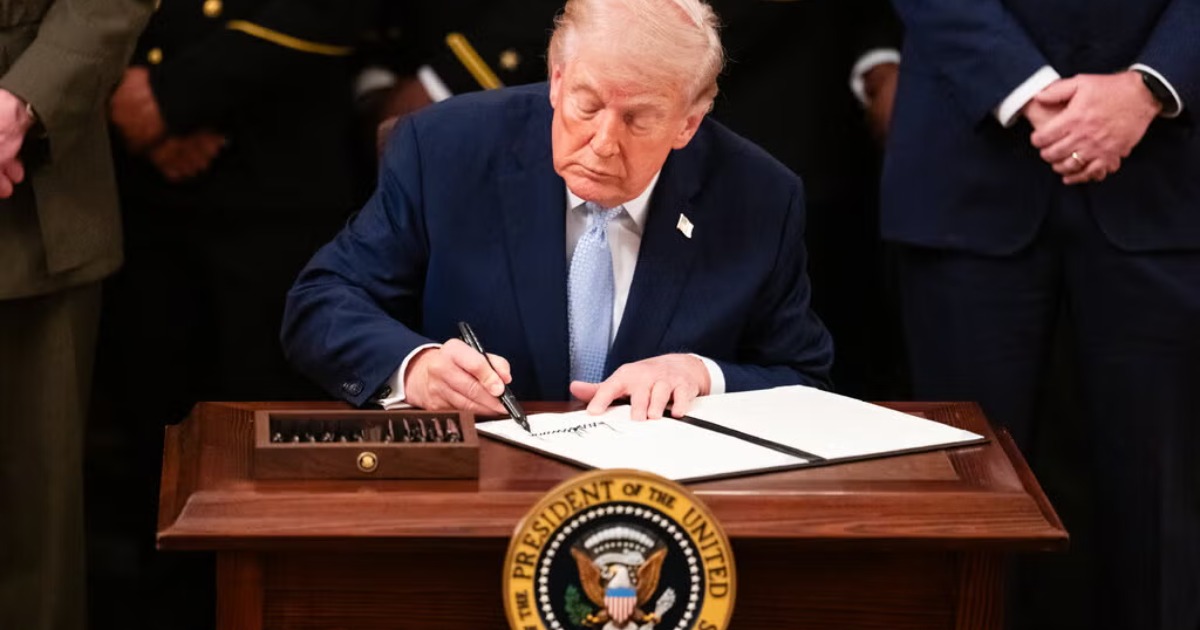
Trump has pledged to send $5,000 to every adult United States citizen if Republicans retain control of both the House of Representatives and the Senate in the November 3 midterm elections.
Based on the president's announcement, the proposed payment would potentially cover US citizens aged 18 and over.
However, the administration has not published detailed eligibility rules, meaning it remains unclear whether income limits or other restrictions would apply.
There is also no official application process or confirmed payment date.
The programme would require congressional approval before any checks could be distributed.
Estimates suggest that sending $5,000 to approximately 240 million adult American citizens could cost around $1.2 trillion.
Trump has suggested that tariff revenues could help fund the payments, but no detailed funding arrangement has been approved.
Ohio Republican Senator Bernie Moreno has said he intends to introduce legislation following the elections to establish the programme.
For now, Americans should understand that the $5,000 payment remains a proposal rather than a guaranteed benefit.
2. One-time $90 Medicare payment: Who is eligible?
The Trump administration announced on October 2 that certain Medicare Part B beneficiaries would receive a one-time payment of $90.
According to the White House, more than 20 million Americans are eligible.
Medicare Part B generally covers medically necessary outpatient services and preventive healthcare, including doctor visits, ambulance services and certain medical equipment.
The $90 payment is intended to provide some relief from rising Part B premiums.
However, not everyone enrolled in Medicare Part B qualifies.
According to eligibility details reported by PolitiFact, people are excluded if:
There are approximately 64.2 million Medicare Part B beneficiaries in 2026, meaning the payment is expected to reach only a portion of those enrolled.
When will the $90 Medicare payments arrive?
The White House has said the payments are expected to be distributed during October 2026.
Eligible recipients should receive the money through direct deposit or a paper check sent to their Medicare-registered mailing address.
The programme is being funded through the Medicare Improvement Fund, which Congress established in 2008.
Those who want to check whether they qualify can contact Medicare directly on 1-800-MEDICARE (1-800-633-4227).
For questions about payment status, the Social Security Administration can be reached on 1-800-772-1213.
3. $500 Affordable Care Act refund: Who qualifies?
The third payment is a $500 refund for certain Americans who purchased health insurance through the federal Affordable Care Act marketplace.
The White House announced the programme on September 10, with approximately 950,000 to one million people expected to receive payments.
Unlike the $90 Medicare payment, the $500 refund is aimed at a specific group of health insurance customers.
Eligible recipients are generally people who purchased coverage through the federal marketplace without receiving Affordable Care Act premium assistance.
The White House told PolitiFact that recipients would primarily be people earning more than 400 percent of the federal poverty level.
However, income alone does not establish eligibility. The person's insurance coverage and whether they received premium subsidies are also relevant.
Which states qualify for the $500 refund?
According to the administration's eligibility announcement, the $500 payments apply to qualifying federal marketplace customers in the following 30 states:
Living in one of these states does not automatically mean someone will receive the money.
Recipients must also meet the relevant insurance and subsidy requirements.
When will the $500 healthcare refunds be sent?
The administration has said the $500 refunds are expected to be distributed by check during October 2026.
The White House describes the payments as refunds of excess user fees associated with the federal health insurance marketplace.
These fees help finance services such as the HealthCare.gov website and its customer support operations.
The administration argues that certain consumers were charged more than necessary through insurance premiums.
However, the explanation for those charges has been politically contested, and the payments are separate from Trump's proposed $5,000 dividend.
Can Americans receive more than one payment?
The three programmes have different eligibility requirements.
Someone who qualifies for a Medicare payment would not automatically qualify for an Affordable Care Act refund, and vice versa.
Whether an individual could receive multiple payments would depend on the final programme rules and their personal circumstances.
Because the $5,000 dividend has not been approved, it cannot currently be counted as a guaranteed additional payment.
Are Trump's $5,000 checks guaranteed?
No. Despite the president's repeated promises, the proposed $5,000 payments are conditional on the election outcome and would still require congressional action.
There is no confirmed funding mechanism, payment schedule or formal application process.
Previous proposals for direct cash payments, including an earlier $5,000 DOGE dividend and a tariff-funded payment, did not result in checks being distributed.
Americans should therefore be cautious of messages or websites claiming that the $5,000 checks are already available to claim.
What should Americans do next?
Those enrolled in Medicare Part B can contact Medicare to confirm their eligibility for the $90 payment.
People who purchased unsubsidised health insurance through HealthCare.gov can review official marketplace communications for information about the $500 refund.
Anyone interested in the proposed $5,000 checks should wait for official government announcements rather than submitting personal or banking information to unofficial websites.
While the smaller payments have announced eligibility criteria and October distribution plans, the much larger $5,000 promise remains dependent on future political and legislative decisions.