
Households around the world are being encouraged to prepare for the possibility of spending three days without essential services, as concerns grow over major emergencies that could disrupt everyday life.
From severe weather and flooding to cyberattacks and international conflict, governments are increasingly highlighting the importance of being able to cope independently if normal services suddenly become unavailable.
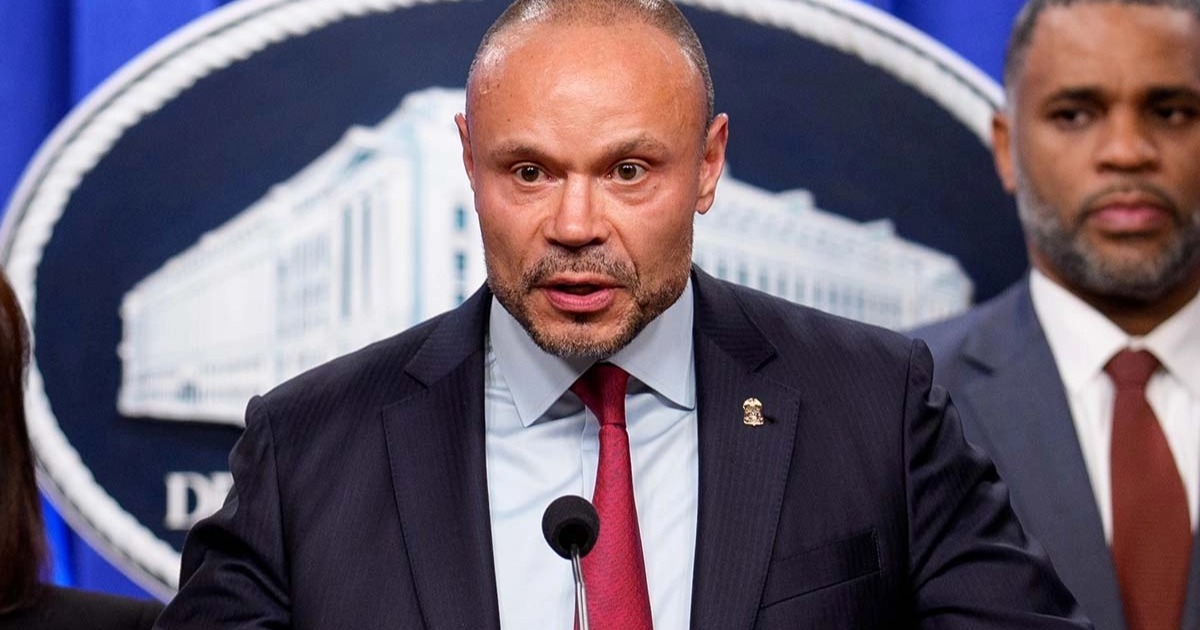
The advice comes amid renewed discussion about emergency preparedness, including warnings from a former FBI director about the importance of taking potential threats seriously.
According to the British Red Cross, only around 40 percent of people in the UK feel able to take action to protect themselves and their household during a disaster.
But emergency preparedness experts say there are practical steps people can take to manage the first 72 hours of a crisis, even if electricity, running water and communications are disrupted.
How can you survive three days without water and electricity?
The key is to prepare an emergency supply of drinking water, ready-to-eat food, essential medication, lighting and communication equipment before a disruption occurs.
The British Red Cross recommends having enough supplies to manage independently for at least 72 hours.
That means preparing for the possibility that shops may be closed, electronic payments may stop working and essential services could take time to return.
According to official emergency preparedness guidance, households should focus on several essential areas:
These precautions are intended to help households manage temporary disruption rather than prepare for a specific predicted catastrophe.
How much drinking water should you store for 72 hours?
Water is one of the most important emergency supplies because losing access to safe drinking water can quickly become dangerous.
UK government guidance recommends approximately 2.5 to 3 litres of drinking water per person each day.
For a three-day emergency, that works out at approximately 7.5 to 9 litres of drinking water per person.
However, this is primarily a drinking-water allowance.
Households may need considerably more if they also need water for basic cooking, cleaning and personal hygiene.
UK preparedness guidance suggests allowing approximately 10 litres per person per day for a more comfortable emergency supply that includes some of those additional needs.
The US Centers for Disease Control and Prevention recommends storing at least one gallon of water per person per day for three days, equivalent to approximately 3.8 litres daily.
Families should also account for children, pets, medical requirements and warmer temperatures, which may increase water needs.
What food should you keep if electricity stops working?
A prolonged power outage could prevent households from using electric ovens, microwaves and other cooking equipment.
Refrigerated and frozen food may also become unsafe if it cannot be kept sufficiently cold.
For this reason, emergency preparedness advice recommends keeping food that can be eaten without cooking or refrigeration.
Suitable options include:
Households should choose foods that suit their dietary requirements and remember to keep a manual tin opener available.
It's also important to check expiry dates periodically and replace supplies as needed.
How can you stay warm and safe without electricity?
Electricity outages can affect much more than lighting.
Depending on the property, a power cut may also stop central heating, hot water systems and electrically controlled appliances from functioning.
Keeping warm clothing, blankets and sleeping bags accessible can help households manage colder conditions.
Battery-powered torches provide a safer lighting option than candles, which introduce a fire risk.
Households should never use charcoal barbecues, camping stoves or portable generators indoors, as these can produce deadly carbon monoxide.
Generators should only be operated outdoors in accordance with their safety instructions and well away from windows, doors and ventilation openings.
Anyone relying on electrically powered medical equipment should discuss appropriate backup arrangements with their healthcare provider and electricity supplier before an emergency occurs.
What should you do if running water stops?
If water supplies become unavailable, stored drinking water should be prioritised for essential needs.
People should follow instructions issued by their local water provider or public health authorities, particularly if there is any concern about contamination.
Boiling water can address many biological contamination risks, but it does not make water safe if it contains certain hazardous chemicals or fuel.
If authorities advise against using the water, households should use a safe alternative supply.
Wet wipes and hand sanitiser can help with basic hygiene when running water is unavailable, although they are not substitutes for proper handwashing in every situation.
Where possible, families should keep additional water for essential washing and sanitation.
How can you communicate if phone networks and internet services fail?
A widespread power outage or cyberattack could also affect internet access, mobile phone networks and electronic payment systems.
Emergency preparedness guidance recommends keeping a charged portable power bank and a battery-powered or wind-up radio.
A radio can provide access to official information even when mobile data or home broadband is unavailable.
Households should also write down important telephone numbers rather than relying entirely on digital contact lists.
Families can agree on a meeting point and discuss how they would communicate if they became separated.
Keeping a small amount of cash may also be useful if shops are open but unable to process card payments.
Why are governments recommending 72 hours of supplies?
The three-day recommendation reflects the challenges that can arise immediately after a major emergency.
During severe flooding, storms or infrastructure failures, emergency responders may need to prioritise rescues, evacuations and essential services.
Other households may therefore need to rely on their own supplies while the initial response is underway.
Preparing for 72 hours provides a practical buffer without requiring families to maintain enormous stockpiles.
France recommends keeping emergency essentials for three days, while Germany encourages preparation for longer disruptions.
Japan also places significant emphasis on household emergency preparedness because of the country's exposure to earthquakes and other natural hazards.
The British Red Cross stresses that the advice is not a prediction of an imminent disaster.
Instead, it is intended to help people manage temporary disruptions that can happen for many different reasons.
What has the former FBI director warned about?
Emergency preparedness has also attracted attention following warnings attributed to former FBI director Dan Bongino.
His comments have contributed to wider discussion about the importance of being ready for potential threats and unexpected disruption.
However, the article supplied does not establish the precise wording or circumstances of those remarks, and they should not be interpreted as confirmation of an imminent attack or nationwide emergency.
Government and humanitarian guidance on household preparedness applies to a wide range of situations, including severe weather, flooding, infrastructure failures and communication outages.
People are encouraged to rely on official emergency alerts rather than assume that general preparedness advice signals a specific threat.
What should families with children or pets prepare?
Emergency kits should reflect the needs of everyone living in the household.
Families with babies may need nappies, ready-to-feed formula, baby food and other essential supplies.
Anyone taking regular medication should ensure they have an appropriate supply and discuss emergency arrangements with their pharmacist or healthcare provider.
People with pets should also account for food, drinking water, medication and any necessary equipment.
Older people and individuals with disabilities may require additional assistance during disruptions.
In the UK, eligible households can consider joining their utility provider's Priority Services Register to access additional support during service interruptions.
Do you need to spend hundreds on emergency supplies?
No. The British Red Cross says preparing for emergencies does not need to involve expensive specialist equipment.
Many households already own useful supplies, including torches, blankets, long-life food and portable chargers.
The organisation recommends starting with what is already available and gradually adding missing essentials.
A dedicated cupboard, storage box or accessible bag may be enough to organise important items.
Emergency supplies should be checked regularly to ensure food and medication remain within their expiry dates, batteries work and portable chargers are ready.
The aim is to make everyday disruption more manageable, not encourage panic-buying.
Does the 72-hour warning mean a major disaster is coming?
There is no evidence that general government advice to prepare for three days of disruption means a particular disaster is imminent.
Severe weather, flooding, power cuts and water outages are all examples of emergencies that can affect households without warning.
Keeping basic supplies available and discussing an emergency plan can reduce the difficulties caused by these events.
For most families, the most useful first step is simply checking whether they have enough safe drinking water, food, medication and essential equipment to manage a short period without normal services.
And while nobody can predict exactly when an emergency might occur, preparing in advance can make a significant difference if it does.
Sources: UNILAD, Thomas Bamford, October 31, 2026; British Red Cross emergency preparedness guidance, updated October 2026; UK Government emergency preparedness campaign; US Centers for Disease Control and Prevention emergency water guidance.