
Health experts have highlighted a lesser-known symptom of Covid-19 that can affect the eyes, as attention turns to the XFG variant sometimes nicknamed 'American Covid'.
While most people associate coronavirus with coughing, fever, headaches and a sore throat, the infection can occasionally cause symptoms in other parts of the body.
One of those is an eye condition that may appear alongside respiratory symptoms or, in some cases, without any of the more familiar warning signs.
Pharmacist Noel Wicks has discussed the connection between Covid and eye health, explaining why certain changes should not automatically be dismissed as ordinary irritation.
What is the overlooked American Covid eye symptom?
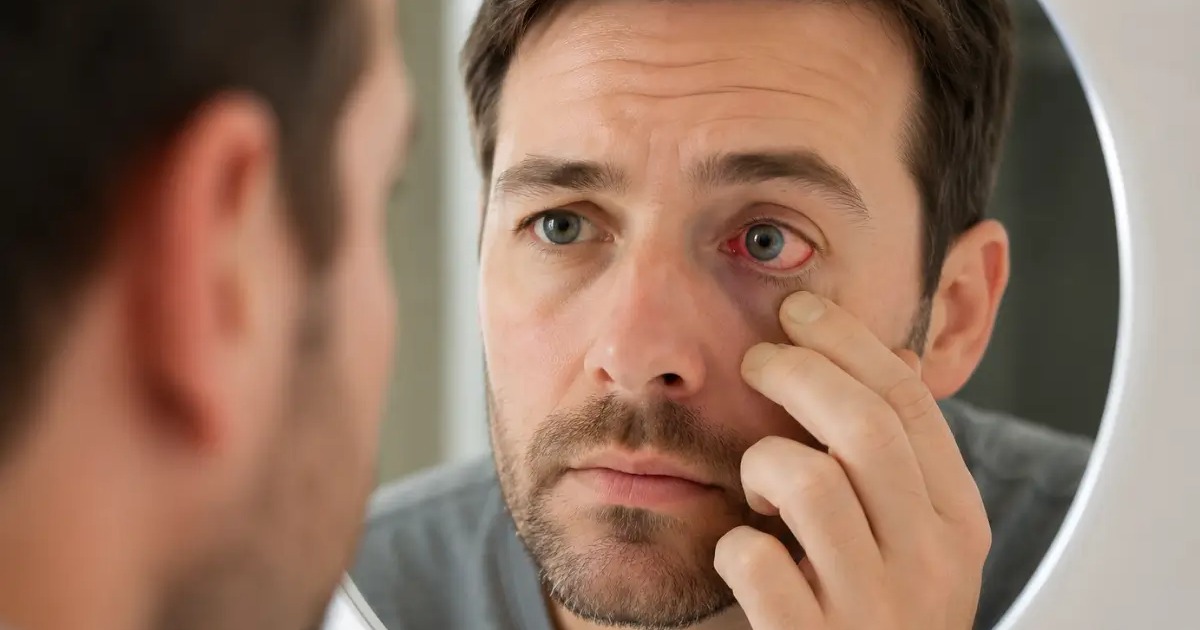
The condition highlighted by experts is conjunctivitis, sometimes called pink eye or red eye.
Conjunctivitis occurs when the conjunctiva, the thin membrane covering the white of the eye and lining the inside of the eyelids, becomes inflamed.
It can cause the eyes to look red or pink, feel irritated and produce excess tears or discharge.
Although conjunctivitis is commonly associated with allergies, bacterial infections and other viruses, research has also identified it in some people infected with Covid-19.
Speaking to the Mirror, pharmacist Noel Wicks explained that coronavirus can affect the eyes and that conjunctivitis may occasionally be an early manifestation of infection.
He referred to research suggesting that conjunctivitis can sometimes be the first noticeable symptom of Covid, even before more familiar respiratory complaints develop.
However, conjunctivitis is not specific to Covid-19, and developing it does not necessarily mean someone has coronavirus.
What are the early signs of Covid-related conjunctivitis?
According to Wicks, possible warning signs include:
These symptoms can affect one or both eyes and may vary depending on the underlying cause.
The US Centers for Disease Control and Prevention also lists redness, swelling, tearing, itching and discharge among the common symptoms of conjunctivitis.
However, the appearance of discharge alone cannot reliably determine whether an infection is viral or bacterial.
People experiencing persistent symptoms should seek advice from a pharmacist, optometrist or healthcare professional rather than attempting to diagnose the cause themselves.
Can conjunctivitis be the only symptom of Covid?
Yes, although this appears to be uncommon.
Research has documented cases in which conjunctivitis developed before other Covid symptoms, as well as cases where eye inflammation was the main reported complaint.
Wicks referred to a scientific review involving 20 studies and 3,383 participants that identified conjunctivitis as the most frequently reported eye-related condition associated with Covid-19.
Studies have reported varying rates of conjunctivitis among people with Covid, reflecting differences in patient populations, disease severity and methods of diagnosis.
Some research has estimated prevalence at only a few percent, while other studies have reported higher figures.
Importantly, the evidence does not establish that conjunctivitis is a distinctive symptom of the XFG variant specifically.
Most research examining coronavirus-related eye symptoms has involved Covid infections more broadly rather than one particular variant.
What is the XFG 'American Covid' variant?
XFG is a recombinant SARS-CoV-2 variant, meaning it developed through the combination of genetic material from two related viral lineages.
It belongs to the wider Omicron family and was first detected in samples collected in January 2025.
The World Health Organization designated XFG as a variant under monitoring in June 2025 after observing an increase in its proportion of infections internationally.
The nickname 'American Covid' has appeared in media reporting, although XFG is not an official name indicating that the variant originated in the United States.
The variant has circulated across several countries, and its prevalence has changed over time as other strains have emerged.
Despite some descriptions of XFG as a particularly severe strain, the WHO's initial assessment did not find evidence that it caused more serious illness than other circulating variants.
The organisation assessed the additional global public health risk from XFG as low based on the evidence available at that time.
Can Covid enter the body through the eyes?
Researchers have investigated whether the surface of the eye can act as a route of infection for SARS-CoV-2.
The eyes are covered by mucous membranes, and droplets containing infectious particles can potentially come into contact with those surfaces.
There is also a connection between the eyes and nasal passages through the tear drainage system.
However, respiratory transmission remains the principal route through which Covid spreads.
Scientists are continuing to investigate the precise mechanisms behind eye involvement, including whether symptoms arise from direct infection, inflammation or other effects of the illness.
Touching or rubbing irritated eyes can also introduce other germs, which is why good hand hygiene remains important.
How should you treat conjunctivitis?
Treatment depends on what is causing the inflammation.
Viral conjunctivitis often improves without specific medication, while bacterial conjunctivitis may sometimes require treatment recommended by a healthcare professional.
Allergic conjunctivitis is managed differently and may respond to allergy treatments.
People with irritated eyes can take several practical steps to reduce discomfort:
Antiseptic eye treatments, including products containing propamidine isethionate, are designed for certain superficial bacterial eye infections. They do not treat the Covid-19 virus itself.
Antibiotics are also ineffective against viral infections unless there is a separate bacterial infection requiring treatment.
When should you seek medical attention for eye symptoms?
Although many cases of conjunctivitis are mild, some symptoms require urgent assessment.
Seek urgent medical advice if you experience significant eye pain, sensitivity to light, reduced or blurred vision, or severe redness.
Contact lens wearers who develop a painful red eye should seek prompt assessment because some eye infections can threaten sight if left untreated.
Symptoms that worsen, persist or are accompanied by significant swelling should also be assessed by a healthcare professional.
If eye irritation develops alongside fever, coughing or other respiratory symptoms, Covid testing may be appropriate depending on local guidance and personal circumstances.
What are the other symptoms of XFG Covid?
People infected with XFG can experience symptoms similar to those associated with other recent Covid variants.
These may include:
Symptoms vary considerably between individuals, and some infected people may experience few or no noticeable signs.
There is currently insufficient evidence to suggest that eye symptoms are uniquely associated with XFG or that they reliably identify the variant.
What should people know about the latest Covid warning?
The main message from experts is that Covid can sometimes present with symptoms beyond the respiratory system.
Conjunctivitis is one possible example, although it is far more commonly associated with other causes and cannot confirm a coronavirus infection by itself.
Anyone experiencing unusual eye symptoms should pay attention to their severity, particularly if they are accompanied by changes in vision or significant pain.
While XFG remains a monitored Covid variant, the available evidence does not establish that it causes more severe disease or a distinctive pattern of eye symptoms compared with other variants.
For most people, the sensible approach remains recognising possible symptoms, following appropriate health guidance and seeking medical attention when necessary.
Sources: World Health Organization, US Centers for Disease Control and Prevention, and comments from pharmacist Noel Wicks reported by the Mirror and UNILAD.