Federal investigators examining the Learjet crash that killed nine people in Florida have uncovered a significant piece of evidence several miles away from the main impact site.
The discovery could help explain what happened during the aircraft's final moments, after the private jet plunged into a residential neighbourhood in Greenacres, Palm Beach County, on Sunday, November 1.
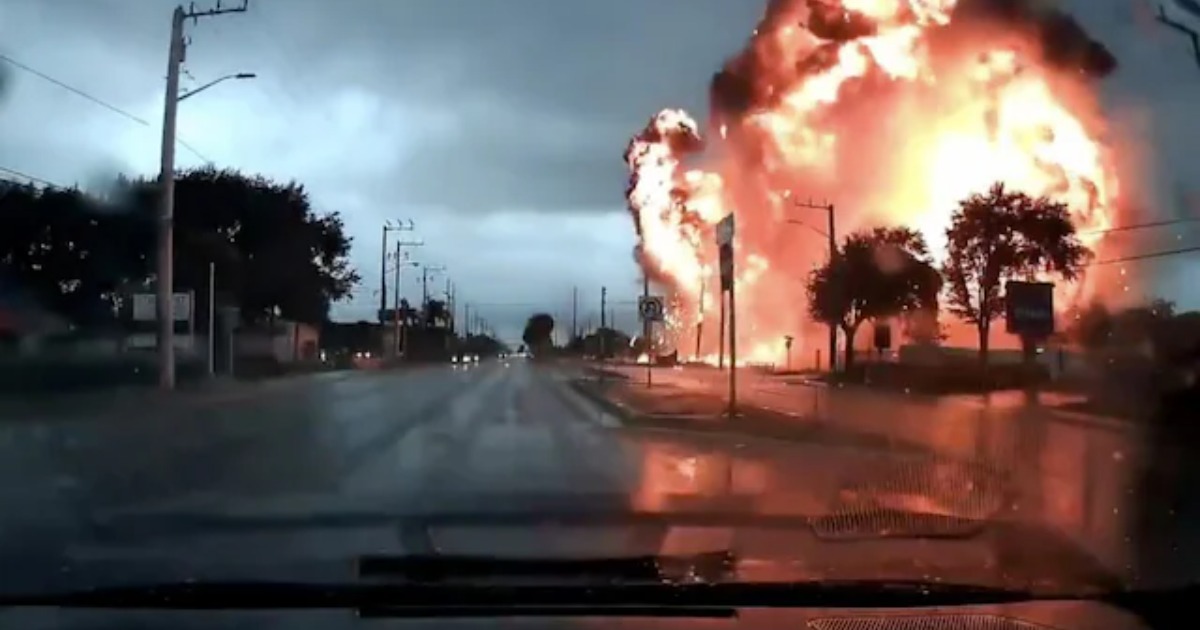
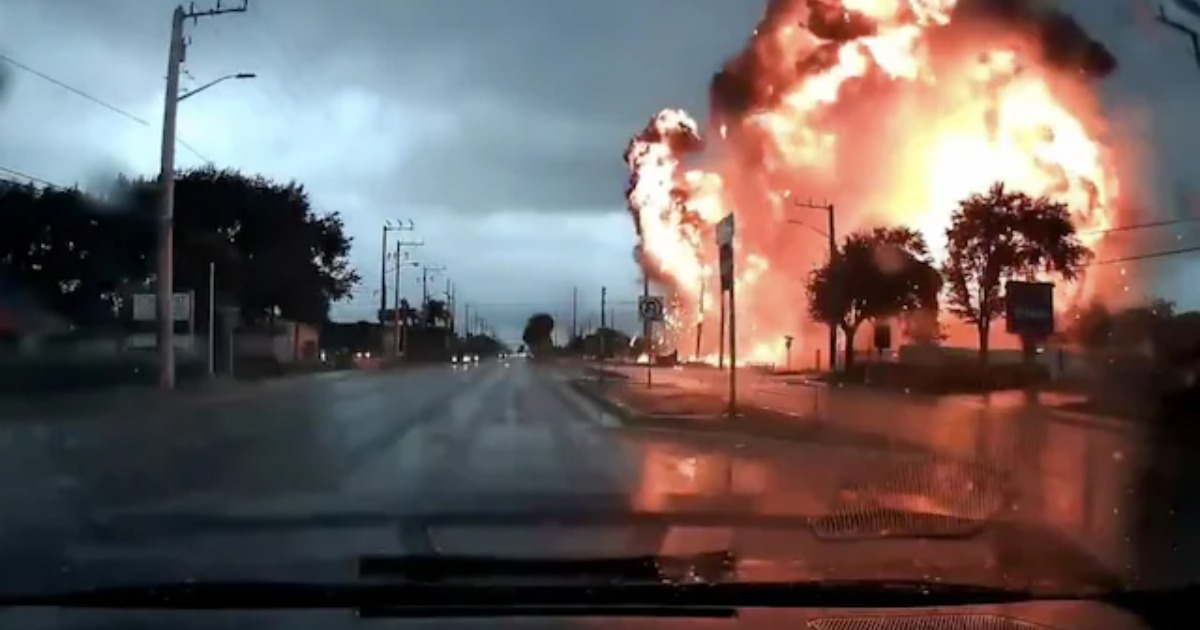
The crash left a huge crater in the road and triggered a fireball, with emergency services evacuating approximately 600 nearby residents.
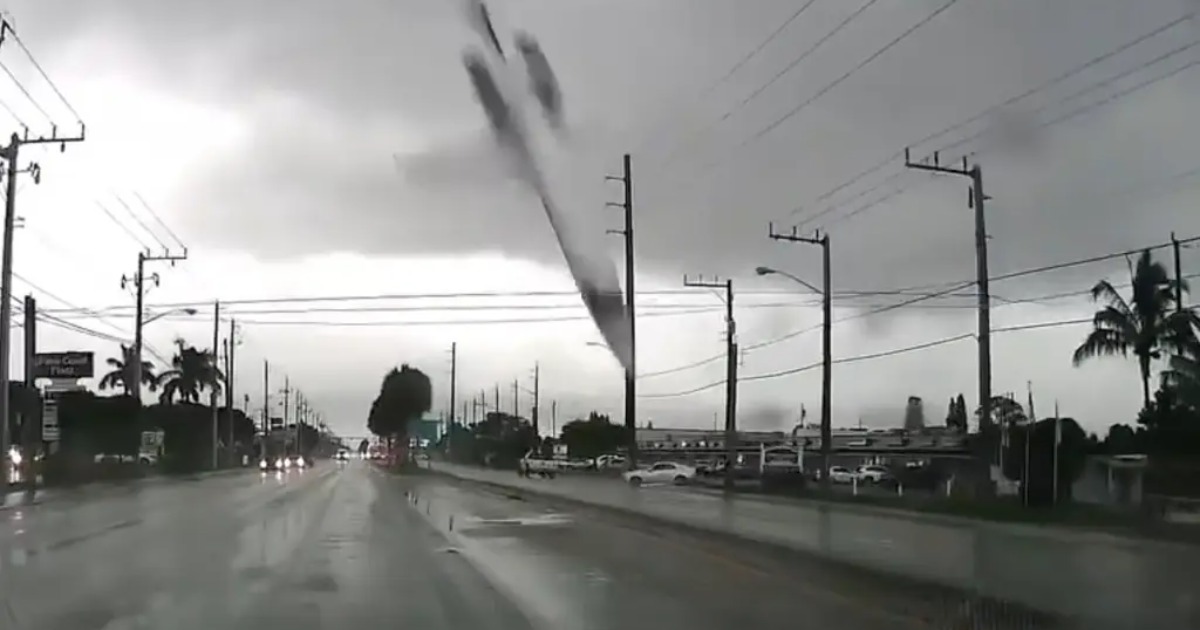
However, one of the most striking details in footage recorded shortly after the disaster was the apparent absence of recognisable aircraft wreckage.
Now, investigators have revealed that important sections of the jet were discovered a considerable distance from the crater, raising new questions about the aircraft's structural integrity before impact.
What evidence did investigators find miles from the Learjet crash?
National Transportation Safety Board (NTSB) member Tom Chapman confirmed that investigators had recovered three separate pieces of the aircraft's left elevator between approximately 1.3 and 3.8 miles from the main crash site.
The elevator is a movable control surface on the aircraft's tail that helps pilots control its pitch, allowing them to raise or lower the nose.
Finding these components so far from the impact location provides important evidence that parts of the aircraft separated before it struck the ground.
However, investigators have not yet established exactly when the separation occurred or what caused it.
Speaking at a news conference, Chapman described the discovery as a significant development in the investigation.
He explained that investigators still needed to determine whether the loss of the component contributed to the aircraft losing control or occurred because the jet was already experiencing extreme aerodynamic forces.
Chapman called the discovery "a very important piece of evidence" that could direct investigators towards other areas of inquiry.
He also acknowledged that, given the aircraft's reported speed, the elevator might not have remained effective even if it had stayed attached.
Could the missing tail components explain the crash?
The discovery has prompted aviation specialists to examine whether the aircraft experienced structural damage during its exceptionally rapid descent.
Former NTSB member John Goglia reviewed flight information suggesting that the Learjet may have briefly levelled off at approximately 8,000 feet before continuing towards the ground.
Goglia suggested that the manoeuvre could have placed enormous stress on the aircraft's tail structure.
He raised the possibility that the forces involved caused parts of the tail assembly to separate.
Meanwhile, aviation safety expert Jeff Guzzetti told the Associated Press that the components may have broken away closer to the ground as the aircraft experienced violent forces.
Both assessments remain preliminary interpretations rather than official findings.
Investigators will need to examine the recovered components, available flight data and the wreckage before determining whether structural damage caused the loss of control or resulted from it.
Why did the Learjet appear to leave almost no wreckage?
Footage recorded shortly after the crash showed an enormous crater, thick smoke and extensive damage to the surrounding road.
Yet the absence of large, recognisable sections of the aircraft prompted speculation online about what had happened to the jet.
Aviation experts explained that the severity of the impact could account for much of the apparent disappearance.
When an aircraft strikes the ground at extremely high speed, the energy released can break its structure into small fragments.
Some components may be driven beneath the surface, while others can be scattered across a wide area.
Fire, smoke and damaged ground can also make wreckage difficult to identify in the immediate aftermath.
The newly recovered tail components provide further evidence that not all of the aircraft's wreckage was concentrated at the main impact location.
Investigators have also planned specialised excavation work to recover material buried beneath the pavement.
Why did a former Navy pilot say the Learjet should never have been flying?
The latest findings follow criticism from former US Navy fighter pilot Matthew 'Wiz' Buckley, who questioned the operational decisions surrounding the doomed flight.
Buckley, who has decades of experience in military and commercial aviation, argued that the aircraft should not have remained in the hazardous weather conditions reported during its final moments.
Speaking in an interview reported by the New York Post, he said: "There's no way in hell they should have been flying."
His concerns focused on the crew's encounter with icing conditions and turbulence, and the decisions made as the situation deteriorated.
According to reports of the aircraft's communications with air traffic control, the pilots encountered ice accumulation and significant turbulence before losing altitude rapidly.
Buckley argued that pilots should prioritise avoiding dangerous weather and escaping hazardous conditions when they are encountered.
His comments suggested that decisions made during the flight warranted close examination.
However, his assessment does not establish that the pilots were negligent or that the aircraft was operating outside its approved limitations.
Some business jets are certified to fly in specified icing conditions, provided their equipment is functioning and appropriate procedures are followed.
Investigators have not yet established whether this Learjet encountered conditions beyond its certified capabilities, whether its anti-icing systems were operating correctly or what weather information was available to the crew.
Who does the former fighter pilot believe was responsible?
Buckley's criticism focused primarily on operational decision-making, including the crew's response to the weather encountered during the flight.
He suggested that the pilots should have taken appropriate action to avoid or leave conditions that could compromise the aircraft's performance.
However, responsibility for the crash has not been officially determined.
The NTSB must establish whether weather, pilot actions, aircraft systems, structural failure or a combination of factors contributed to the disaster.
The discovery of separated tail components adds another potentially important element to that investigation.
It would be premature to conclude that either member of the flight crew caused the crash based on the evidence currently available.
What happened during the Learjet's final moments?
The Bombardier Learjet 60 had departed Austin, Texas, and was travelling towards the Bahamas when the emergency developed.
The aircraft was being operated by captain Jeffrey Gregory, 55, and co-pilot Nathalia Gadelha Filgueiras, 20.
According to published reports of air traffic control recordings, the crew reported encountering significant icing and turbulence.
As the situation worsened, the aircraft began losing altitude at an extraordinary rate.
Communications indicated that the jet was descending at more than 20,000 feet per minute during parts of the emergency.
At one stage, the co-pilot reportedly warned controllers that the aircraft was heading towards the ground.
The final reported transmission was: "We're out of time!"
Recordings also reportedly captured a male voice reciting the Lord's Prayer in the cockpit as the aircraft descended.
The jet subsequently struck the ground near Military Trail and 10th Avenue North in Greenacres.
All nine people aboard were killed.
Why can icing and turbulence be dangerous for aircraft?
Ice accumulation can seriously affect an aircraft's aerodynamic performance.
Aircraft wings are designed to generate lift as air flows around them. Ice can alter their shape, disrupt airflow and increase drag.
In severe circumstances, these changes can contribute to an aerodynamic stall, where a wing exceeds its critical angle of attack and loses a substantial amount of lift.
Turbulence can further complicate the situation by causing sudden changes in an aircraft's attitude and aerodynamic loading.
At high altitude, aircraft may also have narrower margins between different operating limitations.
Retired airline captain Steven Arroyo previously raised concerns about the Learjet's reported descent rate and the possibility of an aerodynamic loss of control.
However, neither icing nor an aerodynamic stall has been confirmed as the cause of the crash.
The newly discovered structural components will need to be considered alongside weather information and other evidence.
Who were the nine people killed?
The tragedy claimed the lives of seven passengers and two crew members.
Among the passengers were technology entrepreneur Adam Robinson, his wife Helen Sharp and their two young children, Emma and Charlie.
The aircraft was also carrying the family's nanny, Ana María Ramírez Cetina, and two travelling companions.
Captain Jeffrey Gregory and co-pilot Nathalia Gadelha Filgueiras also died.
Filgueiras had documented parts of her aviation career on social media, and her death at just 20 years old prompted an outpouring of tributes.
The disaster also affected residents living near the impact site, with emergency services evacuating hundreds of people as they secured the surrounding area.
Authorities reported no deaths on the ground.
What happens next in the Learjet crash investigation?
The NTSB is continuing to investigate the accident, supported by other relevant aviation authorities and specialists.
Investigators are expected to examine the recovered tail components for evidence of structural damage and determine how and when they separated from the aircraft.
They will also review weather conditions, aircraft maintenance records, pilot training, operational procedures and available flight information.
Particular attention may be given to the sequence of events leading to the aircraft's rapid descent and whether the loss of control preceded the structural separation.
The NTSB is expected to publish a preliminary report within approximately 30 days of the accident.
That report will generally contain factual information gathered during the early investigation rather than a final determination of the cause.
A full investigation could take a year or longer.
For now, the discovery of important aircraft components miles from the crater provides investigators with a new line of inquiry into the final moments of the Learjet.
But while experts have raised serious questions about the flight's circumstances, the official cause of the tragedy remains undetermined.