A former US Navy fighter pilot has questioned the decisions surrounding a private jet flight that ended in tragedy, claiming the aircraft should never have been flying in the conditions it encountered.
All nine people aboard a Learjet 60 died when the aircraft crashed in Greenacres, Florida, on Sunday, November 1, 2026.
The jet was travelling from Austin, Texas, towards the Bahamas when it experienced serious difficulties before entering an extremely rapid descent.
Among those killed were a family with two young children, their travelling companions and both members of the flight crew.
Now, two experienced aviators have analysed the aircraft's final moments, raising questions about the decisions made during the flight and whether the disaster could have been prevented.
However, investigators have not yet determined the official cause of the crash, and the experts' assessments remain opinions based on the information currently available.
Why does the former Navy pilot believe the Learjet should never have been flying?
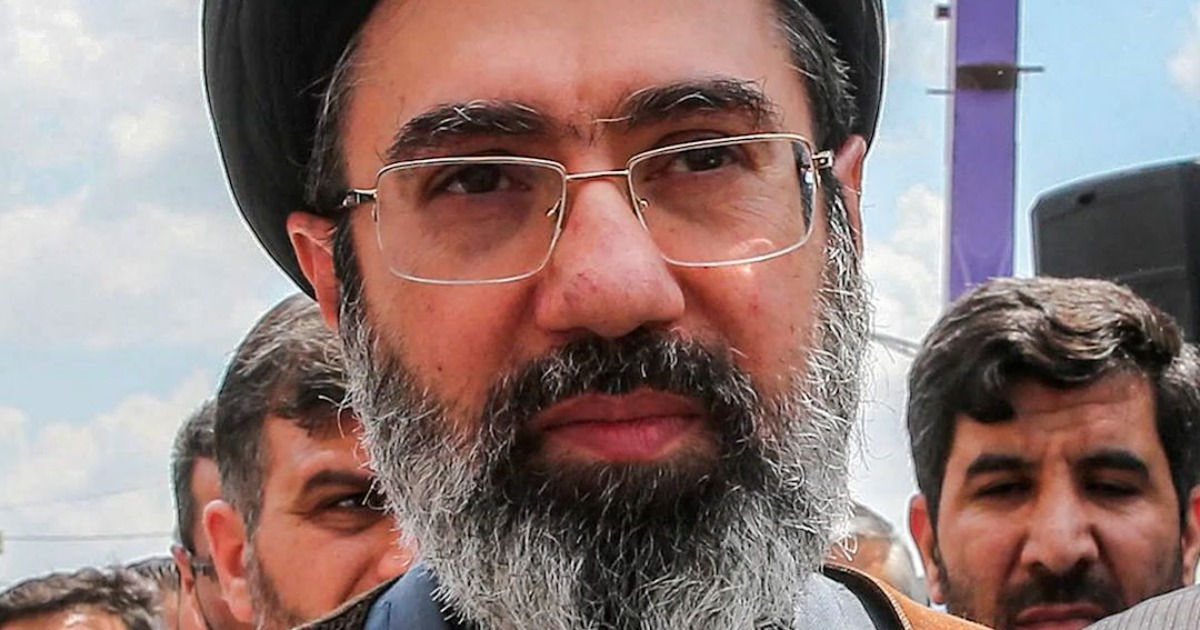
Former Navy fighter pilot Matthew 'Wiz' Buckley has argued that the aircraft should not have been operating in the hazardous weather conditions it encountered.
Speaking in an interview reported by the New York Post and VT, Buckley questioned the decision-making surrounding the flight, particularly the crew's response to icing conditions.
"You know, hindsight's 20-20, but there's no way in hell they should have been flying," he said, according to the published interview.
Buckley, who has approximately four decades of experience in military and commercial aviation, explained that the crew had reported encountering icing and turbulence before the aircraft's catastrophic descent.
He argued that pilots should prioritise escaping hazardous icing conditions rather than continuing to operate in them.
His central concern was that the aircraft appeared to have remained in an environment that could compromise its aerodynamic performance.
However, the available reporting does not establish what weather information was available to the crew before departure, whether the aircraft was operating outside its approved limitations or what actions the pilots took after encountering ice.
Who does the former fighter pilot think is responsible?
Buckley's criticism focused primarily on the operational decisions made by the flight crew, including the decision to fly in hazardous weather and how the reported icing conditions were handled.
He suggested that pilots should avoid known dangerous conditions and take prompt action if ice begins accumulating on an aircraft.
According to Buckley, aircraft encountering icing should use their available anti-icing systems and take appropriate steps to leave the hazardous conditions.
He also emphasised the importance of avoiding weather that could place an aircraft in a dangerous situation.
His comments raise questions about pilot judgement and flight planning, but they do not establish that either pilot caused the crash.
There is currently no official finding assigning responsibility to the captain, co-pilot, aircraft operator or any other party.
Investigators will need to examine the available evidence before determining whether human decisions, mechanical problems, weather or a combination of factors contributed to the accident.
What happened during the aircraft's final moments?
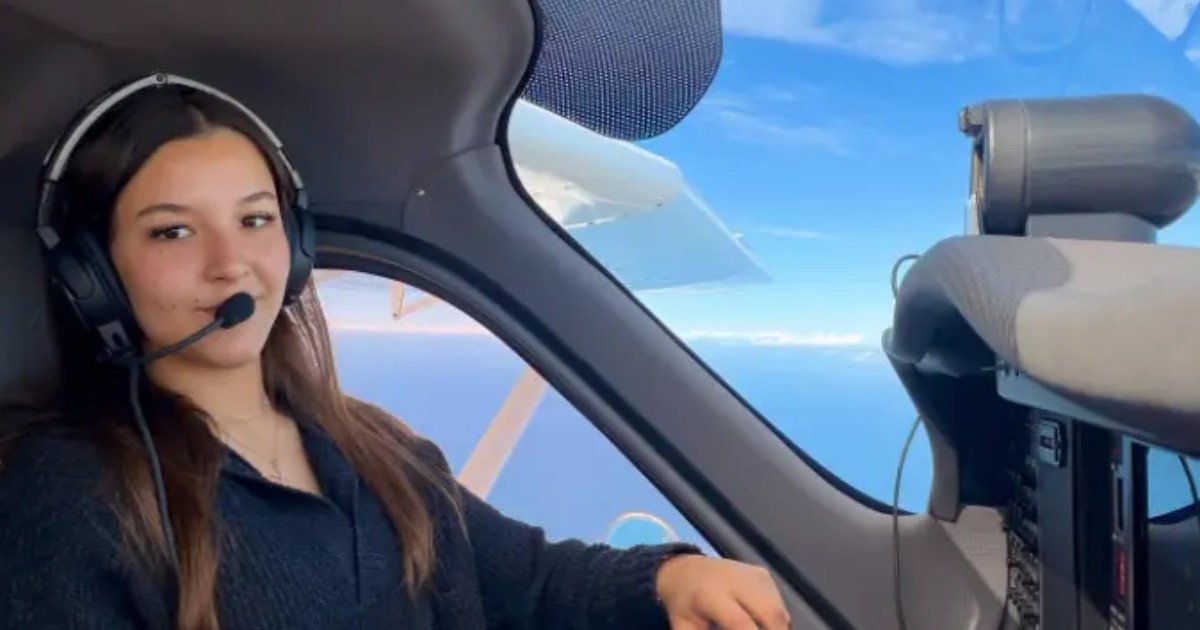
The Learjet was being flown by 55-year-old captain Jeffrey Gregory and 20-year-old co-pilot Nathalia Gadelha Filgueiras.
According to reports of air traffic control recordings, the crew encountered icing and moderate turbulence before the aircraft began descending rapidly.
As the situation deteriorated, the pilots declared an emergency and reported increasingly alarming descent rates.
One transmission reportedly indicated that the aircraft was descending at approximately 10,000 feet per minute.
Further communications described an overspeed condition and an even greater rate of descent.
The crew eventually warned controllers that the aircraft was heading towards the ground.
According to VT, the final words heard from the cockpit were: "We're out of time."
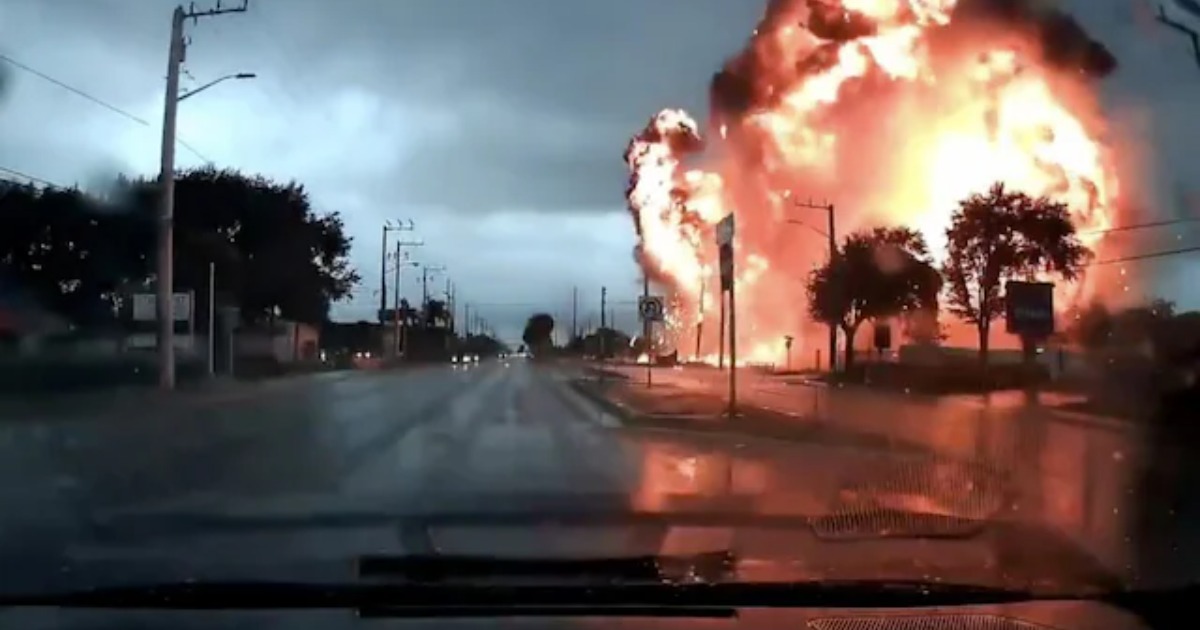
The aircraft subsequently crashed near Military Trail in Greenacres, leaving a large impact site.
All nine occupants were killed, although officials confirmed that nobody on the ground died.
Why can ice be so dangerous for an aircraft?
Retired airline captain Steven Arroyo also analysed the accident, explaining how ice accumulation can affect an aircraft's ability to remain airborne.
Aircraft wings are carefully designed to generate lift as air flows around them.
When ice accumulates on the leading edges of the wings, it can change their shape and disrupt the airflow required to produce lift efficiently.
This can increase drag, reduce aerodynamic performance and potentially contribute to an aerodynamic stall.
An aerodynamic stall occurs when a wing exceeds its critical angle of attack, causing a substantial reduction in lift.
It does not necessarily mean that an aircraft's engines have stopped working.
Arroyo explained that aircraft operating at high altitudes can have relatively narrow margins between different aerodynamic limitations.
He suggested that turbulence could further complicate the situation, particularly if the aircraft was already experiencing reduced performance.
However, there is not yet sufficient public evidence to conclude that an aerodynamic stall caused the Learjet to crash.
How fast was the Learjet falling?
One of the most alarming details discussed by the aviation experts was the aircraft's reported rate of descent.
Arroyo stated that the Learjet's vertical descent rate exceeded 25,000 feet per minute.
For comparison, he explained that a commercial airliner conducting a normal descent might typically descend at approximately 1,500 to 2,000 feet per minute.
That would make the Learjet's reported descent rate more than ten times greater than a typical controlled airline descent.
Such a rapid loss of altitude suggests that the aircraft was experiencing an extremely serious emergency.
However, descent rate alone cannot establish whether the aircraft suffered an aerodynamic stall, structural failure, mechanical malfunction or another form of loss of control.
Determining the sequence of events will require investigators to examine the aircraft's flight path and other available evidence.
Should pilots ever fly into icing conditions?
Buckley's comments have also drawn attention to the distinction between encountering icing conditions and operating an aircraft that is properly equipped and approved for them.
Some aircraft, including appropriately equipped business jets, are certified to operate in certain known icing conditions when all applicable limitations and procedures are followed.
These aircraft use systems designed to prevent ice accumulation or remove ice from critical surfaces.
Depending on the aircraft, such systems may protect the wings, engine inlets, windshields and other components.
However, certification does not mean an aircraft can safely operate in every type or severity of icing.
Severe icing, equipment failures or conditions beyond an aircraft's certified capabilities can create significant dangers.
Pilots must therefore monitor changing weather conditions, follow aircraft procedures and take appropriate action when conditions become unsafe.
Whether the Learjet's anti-icing systems were functioning correctly, whether they were activated and whether the aircraft encountered conditions beyond its approved capabilities have not been established in the reporting available.
Who were the nine people killed?
The tragedy claimed the lives of nine people, including two experienced members of the flight crew.
The passengers included entrepreneur Adam Robinson, his wife Helen Sharp and their two young children, Emma, four, and Charlie, two.
Also aboard were family friends Rachael Reed and Charmi Fehr, along with the family's nanny, Anita Maria Cetina.
Captain Jeffrey Gregory and co-pilot Nathalia Gadelha Filgueiras were also killed.
Filgueiras had developed a passion for aviation at a young age and had documented parts of her flying career on social media.
Following the accident, tributes were shared for the victims as their families and communities struggled to comprehend the loss.
What happens next in the investigation?
The National Transportation Safety Board is investigating the crash, with assistance from the Federal Aviation Administration and other relevant parties.
Investigators will examine available flight information, weather reports, aircraft maintenance records, pilot qualifications and the wreckage.
They may also assess the aircraft's anti-icing systems, operating procedures and the sequence of events leading to the loss of control.
The process is intended to establish the probable cause of the accident and identify any contributing factors.
Although Buckley believes the aircraft should not have been flying in the conditions it encountered, his assessment is not an official finding.
For now, the precise cause of the tragedy remains undetermined.
The investigation will ultimately establish whether the accident involved weather, pilot decisions, aircraft systems or other circumstances that have yet to emerge.