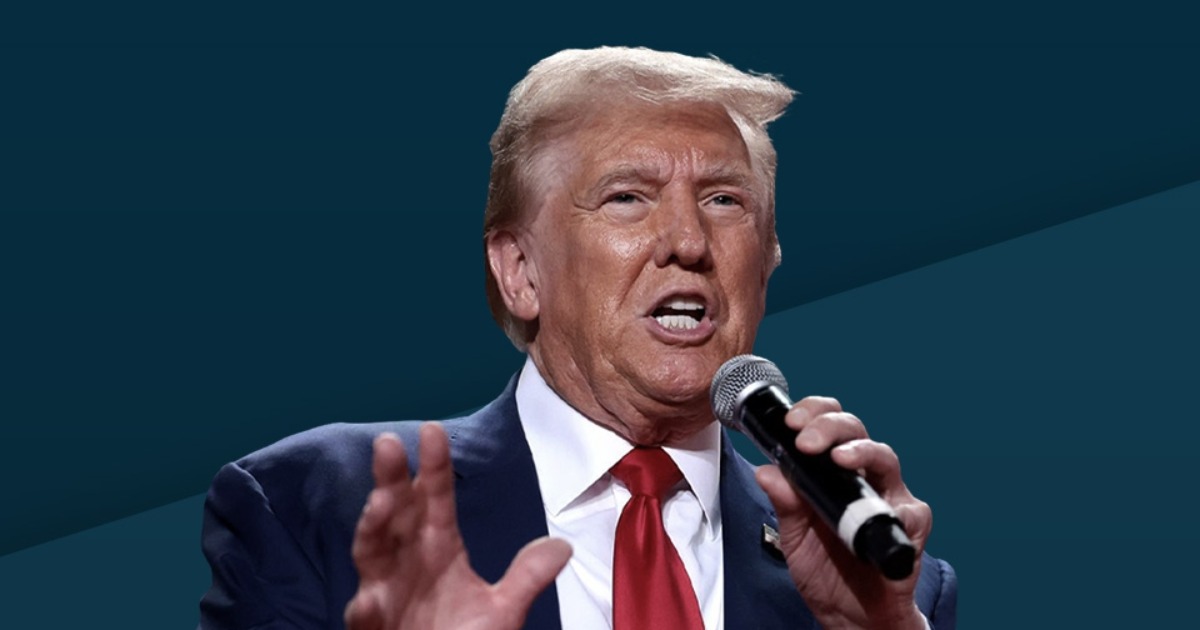

Political analysts have warned that Donald Trump could respond to a Republican defeat in the November 3 midterm elections with a series of increasingly confrontational decisions, as the president continues to promote his controversial proposal to send Americans $5,000 checks.
With control of the House of Representatives and Senate at stake, the election could significantly change the balance of power in Washington for the remaining two years of Trump's presidency.
Several political commentators have outlined what they believe could happen if Democrats gain control of one or both chambers of Congress.
Meanwhile, Trump has repeatedly promised substantial payments to American citizens if Republicans retain control, although questions remain about whether the proposal could actually be delivered.
What do experts predict could happen if Trump loses the midterms?
According to analysts interviewed by The Independent, a significant Republican defeat could prompt Trump to adopt a more confrontational approach during the remainder of his presidency.
David Cay Johnston, a Pulitzer Prize-winning investigative journalist who has covered Trump for decades, expressed concern about how the president might respond to losing congressional support.
Johnston suggested that Trump could pursue increasingly aggressive decisions using the powers still available to the executive branch.
Former Secretary of State Hillary Clinton also expressed concern, arguing that political setbacks could encourage the president to take greater risks.
Her comments referred to a concept in behavioural psychology in which people facing losses may become more willing to pursue risky outcomes.
These statements represent the commentators' assessments of possible future behaviour, rather than established predictions of what Trump will do.
Could immigration enforcement become a bigger focus?
Dr Georgios Samaras, a US politics specialist at King's College London, suggested that immigration enforcement could become a central focus of Trump's administration following an electoral setback.
He argued that the president retains considerable influence over federal immigration agencies, even if Democrats gain control of Congress.
That could allow the White House to continue pursuing enforcement priorities through executive agencies rather than relying entirely on new legislation.
Samaras also suggested that congressional investigations and possible impeachment efforts could create further confrontation between the administration and Democratic lawmakers.
He raised the possibility of retaliatory actions involving political opponents or activists, although he provided no evidence that any such arrests had been planned.
Any arrests or enforcement actions would remain subject to applicable law and judicial oversight.
Could tensions involving Iran escalate?
Another concern raised by analysts involves the administration's approach to Iran.
Johnston suggested that Trump could pursue more forceful military action if diplomatic tensions continue.
The president would retain significant responsibilities as commander-in-chief regardless of which party controls Congress.
However, those powers are not unlimited, and the extent of presidential authority over military action can be subject to legal and congressional constraints.
While analysts have raised concerns about further escalation, there is no established evidence that a Republican defeat would itself trigger a new military operation.
Could Trump's business interests face greater scrutiny?
Political commentator Kaivan Shroff also raised concerns about Trump's private business interests during the remainder of his presidency.
Questions about the relationship between the president's official duties and his business activities have been the subject of extensive reporting and political debate.
Analysts suggested that Trump might seek to maximise business opportunities before leaving office.
However, these are interpretations of possible future decisions, not confirmed plans.
If Democrats take control of either chamber, congressional committees could potentially increase scrutiny of administration activities through hearings, investigations and requests for documents.
What has Trump said about the proposed $5,000 checks?
Alongside the political warnings, Trump has repeatedly promoted a proposal to send $5,000 payments to adult American citizens.
During campaign appearances, the president has presented the payments as a benefit he intends to deliver if Republicans retain control of both the House and Senate.
At a rally in Kansas on November 1, Trump repeated his pledge and said he looked forward to delivering the money if his party won.
He has suggested that tariff revenue and economic growth could help finance the proposal, while also saying recipients would be required to spend the money within the United States.
However, the proposal has not been established as an approved federal payment programme.
Trump's public commitments are political promises, not confirmation that checks have been authorised or scheduled for distribution.
Would Americans still receive $5,000 if Republicans lose?
That remains uncertain, but Trump's publicly stated proposal has consistently been tied to Republicans winning control of both chambers of Congress.
His campaign statements have not established an unconditional commitment to send the checks regardless of the election outcome.
There are also significant questions about how the payments would be funded.
According to an October analysis by FactCheck.org, sending $5,000 to more than 245 million adult American citizens would cost approximately $1.2 trillion.
The organisation noted that annual tariff revenue was far below the amount needed to fund such a programme.
Congressional authorisation could also be necessary, and lawmakers from both parties have questioned the feasibility of the proposal.
As a result, Americans should not treat the proposed payments as guaranteed income or assume that a distribution date has been set.
What happens if Democrats win control of Congress?
If Democrats win control of the House, they could gain greater authority over congressional investigations, committee leadership and the passage of legislation.
Control of the Senate would also affect the administration's ability to secure confirmation of certain appointments.
However, Trump would remain president regardless of the congressional election results.
He would retain executive powers, including the ability to issue executive orders within the law, direct federal agencies and exercise presidential veto authority.
A divided government could therefore produce greater legislative gridlock, increased oversight and more frequent political disputes.
Exactly how the administration and Congress would respond remains uncertain.
Why are the November 3 elections so important?
The midterm elections will determine the makeup of Congress during the final two years of Trump's second presidential term.
They could influence the administration's legislative priorities, spending decisions, congressional oversight and ability to advance new policies.
For voters following the proposed $5,000 checks, the election also matters because Trump has made Republican control of Congress a central condition of his promise.
Although some analysts have warned of a more confrontational presidency following a defeat, their comments remain speculative.
The election results will determine which party controls Congress, but they will not by themselves establish whether the proposed payments will be authorised or how the president will respond politically.