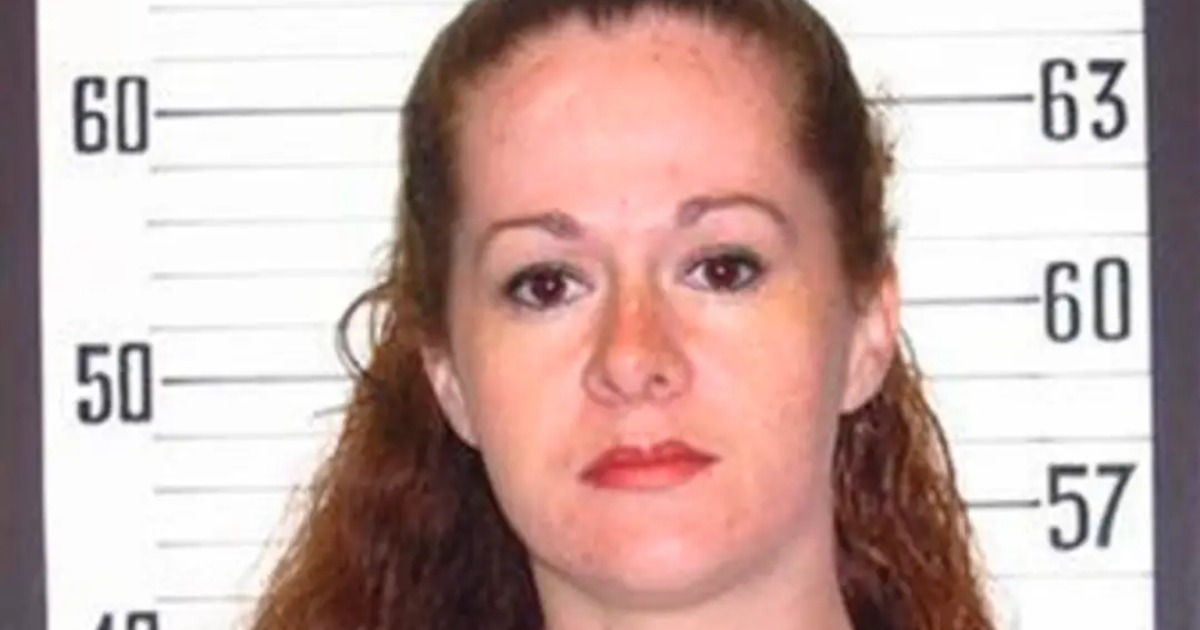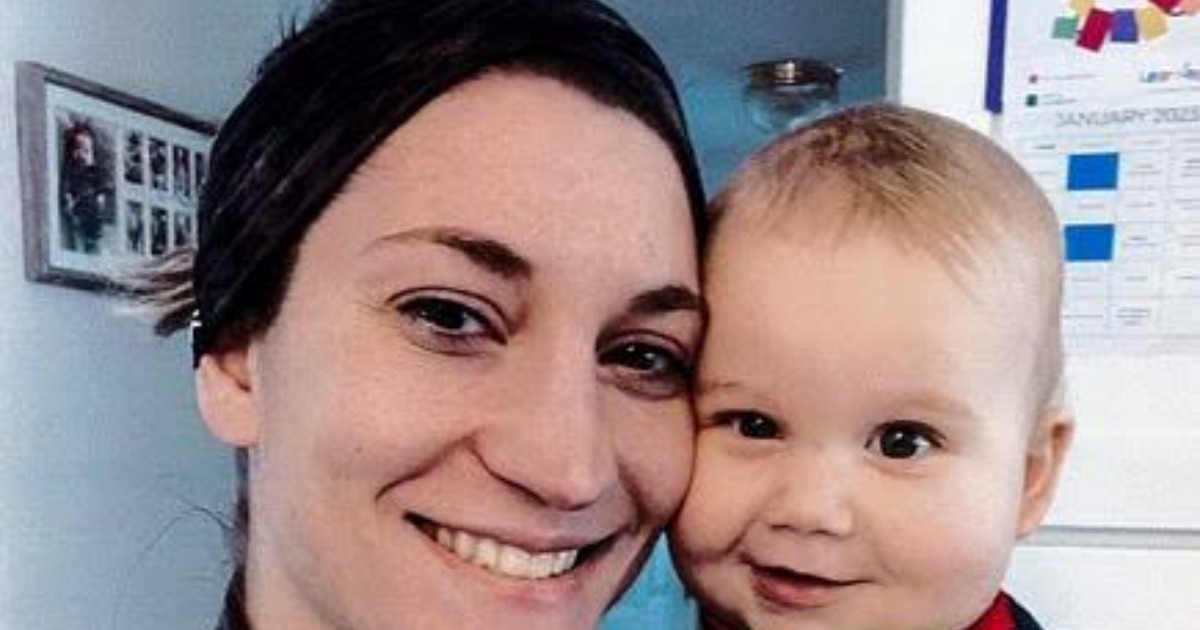

Emily Willis' mother believes the former actress is aware of her "locked-in" state, more than two years after a cardiac arrest left her with severe brain damage.
What happened
Willis' life changed in February 2024 while she was receiving treatment for a ketamine addiction at a California rehabilitation facility. Medical notes reportedly described her as disheveled, frail, and disoriented on day three of her admission, and by day nine a nurse found her unresponsive and not breathing. Paramedics worked on her for nearly an hour before detecting a pulse, and she subsequently spent months in a coma.
The sign her family believes shows awareness
More than two years on, Willis, 27, remains in what her family describes as a locked-in state, with severely limited ability to move or communicate. Her mother, Yesenia, told the Daily Mail she believes her daughter is aware of her condition, pointing specifically to moments where Willis screams and even kicks out, which she interprets as expressions of frustration at her situation.
Her current care
Yesenia has moved Willis to Mexico, where she receives round-the-clock care from family at home. She said she plans to buy a house there, citing more affordable nursing care and access to treatment options not readily available in the US, saying she hopes it could help her daughter become more independent over time.
The lawsuit against the rehab facility
Willis' younger brother, Michael Cooper, has been involved in the family's decision to sue the facility, Summit Malibu, alleging a lack of adequate care. He said his sister had described the facility as having strong amenities and a track record with high-profile clients, and that he had no reason to expect anything to go wrong given her condition going in.
The lawsuit alleges the facility admitted Willis primarily for profit, a claim Summit Malibu denies. The complaint states: "Defendants failed to provide her the care she needed for her physical and mental symptoms."
Cooper said the hardest part remains not knowing exactly what happened, particularly given that the incident occurred while his sister was under the care of medical professionals acting as her legal guardians under California law, rather than at home. He also spoke about the difficulty of watching his sister be unable to advocate for herself, saying: "Maybe some people can't comprehend this kind of pain."