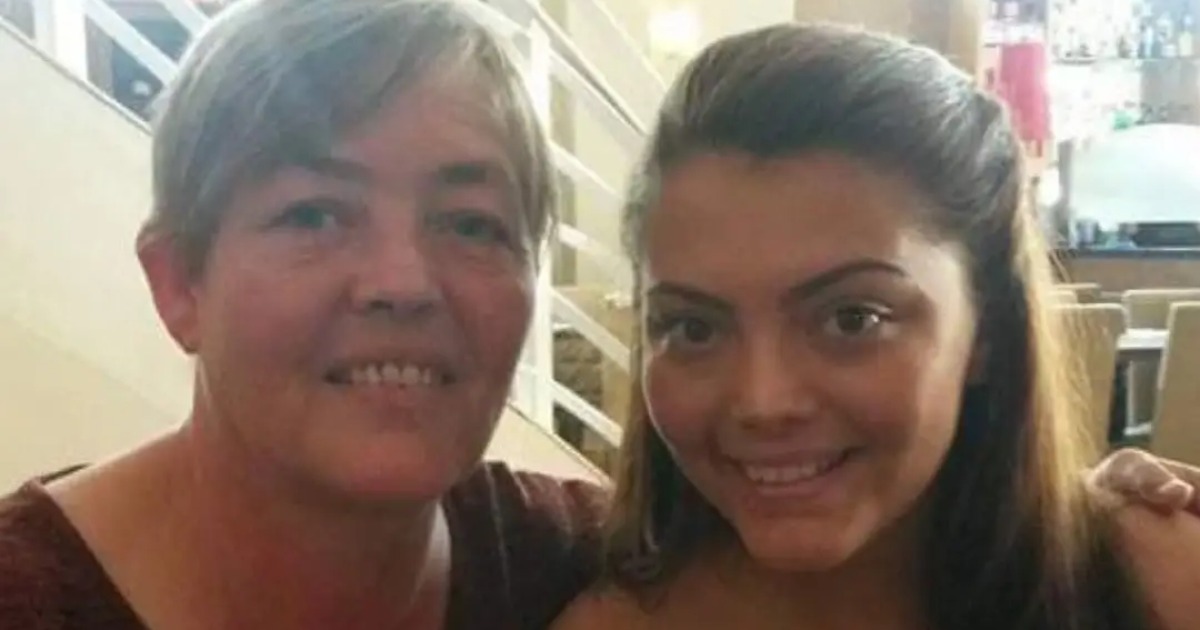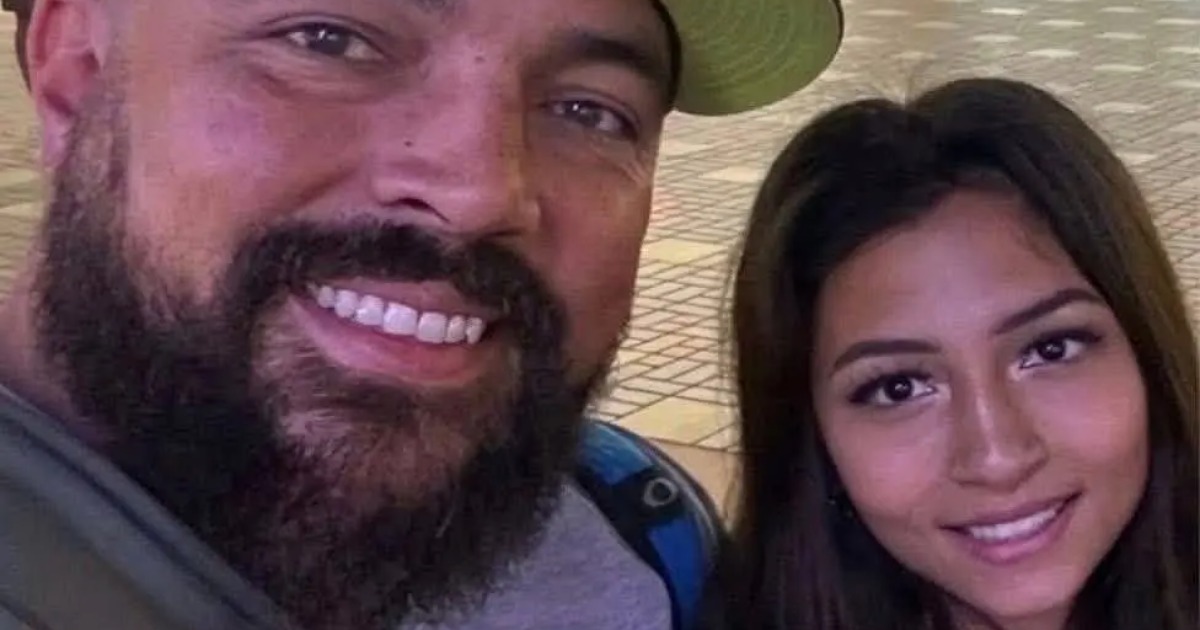
A California father convicted of sexually abusing his teenage daughter is reportedly set to be released from jail after serving less than six months, despite originally receiving a one-year sentence.
Stephen Vincent Chavez, 41, was sentenced in June 2026 after admitting to offences involving his biological daughter, 18-year-old Makayla Settles.
The case has attracted renewed attention after jail records listed Monday, November 9, as his expected release date.
Makayla died just months after the abuse, leaving her family devastated and raising questions about the punishment imposed on her father.
Why is Stephen Vincent Chavez being released after five months?
Chavez was sentenced to one year in Ventura County Jail, rather than the three years in state prison prosecutors had requested.
He was taken into custody on May 18, 2026, when he pleaded guilty, meaning he had already spent time behind bars before his formal sentencing on June 23.
Under California's county jail sentencing system, eligible inmates can receive credits that reduce the amount of time they physically spend in custody.
Such credits, combined with time already served, can result in someone being released substantially earlier than the full sentence might suggest.
However, authorities have not publicly confirmed the precise calculation behind Chavez's November 9 release date.
His expected release also does not mean his sentence has been overturned. He was ordered to serve three years of felony probation and register as a sex offender for 20 years.
At the time of reporting, inmate records indicated that his release was scheduled, although it had not been independently confirmed that he had physically left custody.
What happened to Makayla Settles?
Makayla had moved from Raleigh, North Carolina, to Moorpark, California, in July 2025 to live with her biological father and pursue her college education.
According to prosecutors, the teenager was hoping to begin a new chapter in her life.
However, just two days after arriving, she was sexually abused by Chavez at his home.
The Ventura County District Attorney's Office said the pair had attended a family gathering where alcohol was consumed before Chavez purchased additional drinks for them at home.
Chavez subsequently admitted to felony incest and a misdemeanor charge of providing alcohol to a minor.
Makayla was later hospitalised following the incident, with forensic evidence forming part of the investigation.
How did Makayla Settles die?
Makayla died by suicide on December 28, 2025, approximately five months after the abuse.
She was just 18 years old.
Her family has spoken about the emotional trauma she experienced following the incident and the devastating impact of losing her.
Her mother, Carolina Sandoval, has publicly criticised the criminal justice system's handling of the case and called for stronger protections for survivors of sexual abuse.
Although Makayla's death occurred after the abuse, Chavez was not convicted of causing her death.
Her family's concerns about the impact of the assault should therefore be distinguished from the offences established in criminal court.
Why did Chavez receive a one-year sentence?
Chavez pleaded guilty on May 18 to one felony count of incest and one misdemeanor count of furnishing alcohol to a minor.
He also admitted allegations that he had abused a position of trust and that Makayla was particularly vulnerable.
Prosecutors argued that his conduct warranted the maximum available punishment of three years in state prison.
However, Ventura County Superior Court Judge Dusty Kawai imposed a sentence of one year in county jail, followed by three years of felony probation.
According to Los Angeles Magazine, the judge considered applicable sentencing guidelines and Chavez's lack of prior criminal history.
The decision was made despite prosecutors' objections and the emotional statements delivered by Makayla's family.
Why wasn't Chavez convicted of rape?
The decision not to pursue additional felony charges has been another source of controversy surrounding the case.
The Ventura County District Attorney's Office said investigators spent months examining whether charges including rape could legally be supported.
The review involved interviews, forensic testing, medical assessments and electronic evidence.
Prosecutors also consulted a team of experienced sexual assault specialists and external legal experts.
Ultimately, officials concluded that the admissible evidence supported the felony incest charge but did not provide a sufficient legal basis for additional felony charges.
That decision did not mean prosecutors considered Chavez's conduct acceptable. They continued to seek the maximum prison sentence available under the charges.
How has Makayla's family responded?
Makayla's mother has expressed profound disappointment with the outcome.
She previously questioned whether the punishment adequately reflected the suffering her daughter experienced and the loss endured by the family.
Following reports of Chavez's expected release, Sandoval launched a petition calling for changes to sexual assault sentencing laws.
The petition argues that the existing legal framework can leave families feeling that offenders have not been held sufficiently accountable.
Public reaction to the case has also been strongly critical, particularly following the revelation that Chavez could leave custody less than six months after entering his guilty plea.
What happens after Chavez leaves jail?
Chavez's expected release from custody does not eliminate the remaining conditions of his sentence.
He is subject to three years of felony probation and a requirement to register as a sex offender for 20 years.
Violating probation conditions can result in additional legal consequences, although the precise terms governing his supervision have not been publicly detailed in the reporting available.
Meanwhile, Makayla's family continues to campaign for changes to the law.
For her loved ones, the controversy surrounding Chavez's sentence has become part of a wider effort to seek accountability and ensure Makayla's story is not forgotten.
If you or someone you know is struggling with suicidal thoughts in the United States, call or text 988 for confidential support.
Sources: Ventura County District Attorney's Office statements; FOX 11 Los Angeles, May 18, June 23 and November 9, 2026; Los Angeles Magazine, November 9, 2026; VT, November 9, 2026.