A 17-year-old boy who disappeared into the Australian wilderness without food, water or a phone has been found alive after spending six days alone in remote bushland.
The teenager, identified publicly only as William, vanished during a camping trip near Walhalla East in Victoria, prompting a major search involving more than 100 emergency personnel.
With freezing overnight temperatures and difficult terrain complicating rescue efforts, authorities became increasingly concerned about his chances of survival.
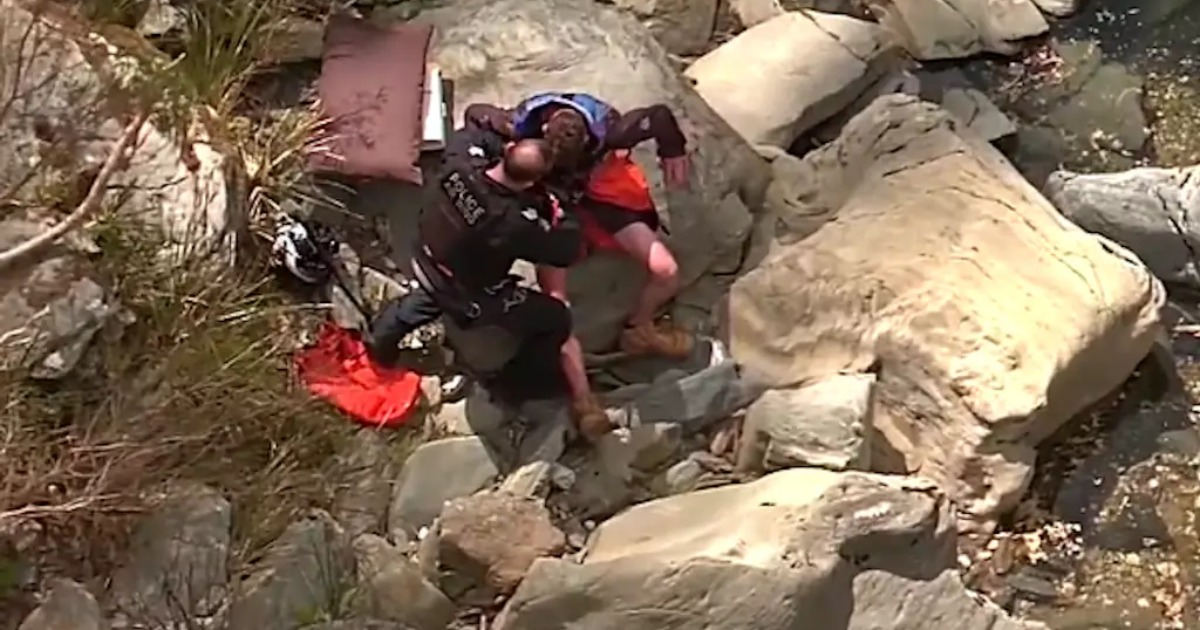
However, on Thursday, November 12, police finally located the missing teenager, capturing the remarkable moment he was spotted from a helicopter.
His mother has since revealed the surprisingly simple decision he made during his ordeal, which she believes helped keep him alive until rescuers arrived.
What happened to the missing Australian teenager?
William disappeared on Friday, November 6, while camping with a friend in bushland near Walhalla East, approximately two hours east of Melbourne.
According to reports, the teenager had been dropped off by his mother, Elizabeth Barkley, for a weekend camping trip.
At some point, William reportedly left the campsite to retrieve additional camping equipment from the location where he had originally been dropped off.
However, he failed to return.
His friend searched the surrounding area but was unable to locate him, eventually raising the alarm.
William had left without his mobile phone, food or water, leaving him without an obvious way to contact anyone for assistance.
He was reportedly wearing shorts and work boots when he disappeared.
As the hours turned into days, his family and emergency services became increasingly worried.
Why were rescuers so concerned about his survival?
The area surrounding Walhalla East is known for its rugged terrain, thick vegetation and challenging conditions.
During the six days William was missing, temperatures dropped significantly overnight, increasing concerns about his exposure to the elements.
Without adequate clothing, shelter or supplies, prolonged exposure to cold weather can place a person at risk of hypothermia.
Dehydration, exhaustion and difficulty navigating unfamiliar terrain can also become serious problems during an extended period in the wilderness.
Authorities launched an extensive search operation involving police officers, emergency services personnel, specialist search teams and volunteers.
More than 100 personnel were reportedly involved, with police dogs, divers and helicopters deployed to search the surrounding bushland.
Despite their efforts, William remained missing for nearly a week.
What tactic did William use to survive six days alone?
Following his rescue, William's mother revealed that her son had made one particularly important decision while stranded in the wilderness.
Rather than continuing to walk through the bushland in an attempt to find his way out, William stayed in one place and waited for rescuers to find him.
Speaking about his survival, Elizabeth Barkley explained: "He just stayed in one spot and waited to be rescued and I'm just over the moon he's alive."
Her comments offered an insight into how the teenager managed to survive despite having no food, water or phone with him when he disappeared.
Remaining in a relatively fixed location can sometimes help search teams locate a missing person, particularly when rescuers have a reasonably defined search area.
It may also prevent someone from becoming increasingly disoriented or travelling farther into dangerous terrain.
However, staying in one place is not automatically the safest response in every wilderness emergency.
Factors such as weather conditions, immediate hazards, access to shelter and water, and whether rescuers know where to search can influence the best course of action.
In William's case, his mother credited his decision with helping him survive until emergency crews located him.
How did police finally find the teenager?
After six days of searching, the breakthrough reportedly came when a police helicopter crew spotted an object believed to belong to William.
According to The Independent, the helicopter crew noticed his fishing tackle box in bushland some distance from Stoney Creek.
The discovery helped direct rescuers towards the teenager's location.
William was subsequently spotted alive from the air.
Footage released by Victoria Police captured the extraordinary rescue, showing the teenager lying on the ground before acknowledging the helicopter crew.
In the video, William appears to be curled up with clothing covering part of his body.
As rescuers approach, he can be seen waving towards them and celebrating the fact that he has finally been found.
The teenager was then winched to safety by the helicopter crew.
The footage brought a positive conclusion to a search that had left his family fearing for his welfare.
What did police say about his survival?
Victoria Police Acting Inspector Jason Benbow acknowledged how unusual it was for someone to be found alive after spending so long exposed to difficult conditions.
Speaking following the rescue, he said: "It doesn't happen all the time."
Benbow also expressed interest in hearing William's account of what happened during the six days he was missing.
"I'm sure he's got a story to tell us soon, which we're very keen to hear," he added.
The teenager's survival was particularly remarkable given his limited clothing and lack of supplies.
Although he had been missing for almost a week, early reports suggested he had escaped without serious injuries.
How did his family react when he was found?
William's mother, Elizabeth Barkley, expressed enormous relief after learning that her son had been found alive.
She confirmed that he appeared to be in good health despite spending six days alone in the wilderness.
"He's doing fine, everything seems to be fine, he's in perfect health," she said.
According to his mother, William had suffered only a few scratches during the ordeal.
After nearly a week of uncertainty, the family was finally able to reunite with him.
And despite the seriousness of the situation, Barkley managed to find some humour in the aftermath.
She joked that her son was now "grounded for life".
In another light-hearted remark, she added: "He's never leaving the house again."
Her comments reflected the enormous relief of a family who had spent days waiting for news of their missing teenager.
What should you do if you become lost in the wilderness?
William's experience has drawn attention to the importance of knowing how to respond when lost in an unfamiliar outdoor environment.
Outdoor safety organisations generally recommend that people stop and assess their situation rather than immediately attempting to walk in an uncertain direction.
When it is safe to do so, remaining near a known location can sometimes make it easier for search teams to find someone.
However, anyone facing an immediate threat, such as flooding, fire, dangerous exposure or another environmental hazard, should prioritise reaching a safer location.
Useful wilderness safety precautions include:
In Australia, people who are able to contact emergency services can call Triple Zero (000).
The safest response to becoming lost will always depend on the specific conditions and available resources.
What happens next for William?
Following his rescue on November 12, William was reunited with his family after an ordeal that had lasted almost an entire week.
His mother reported that he was in good health, with only minor scratches despite the difficult conditions.
Authorities are expected to learn more about how he spent his time in the bushland as the teenager recovers and shares his account.
For now, the most important outcome is that William was found alive.
His experience highlights both the dangers of becoming lost in remote terrain and the importance of remaining calm when faced with an unexpected survival situation.
After six days without his usual supplies or any way to contact home, the teenager's decision to wait in one location was credited by his mother as a key factor in his rescue.
And for a family who feared they might never see him again, his safe return was the outcome they had desperately hoped for.