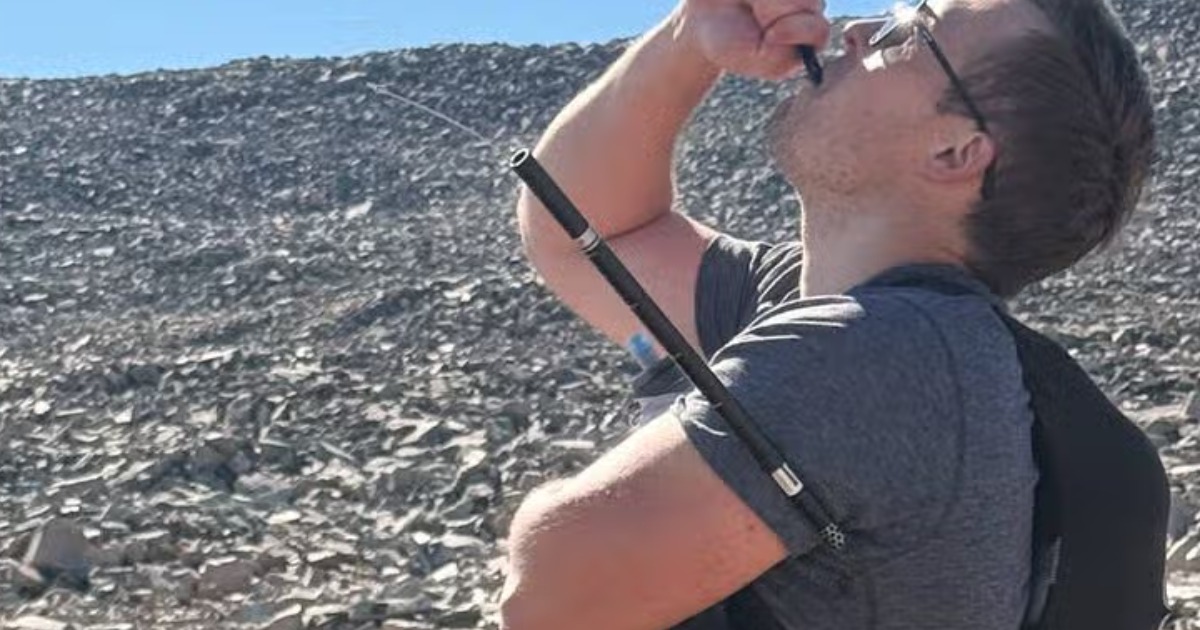

There are tough people, and then there is David Cifaldi. The 32-year-old nurse from Billings, Montana was nearing the summit of Granite Peak, the state's tallest mountain at 12,800 feet, when he slipped on the Froze-to-Death Plateau and fell onto his own trekking pole. The 44-inch steel-tipped pole pierced through the tissue beneath his left arm and came out the other side through his back.
His response was to hike out himself. Cifaldi, who specialises in wound care, conducted his own medical assessment on the spot and concluded the pole had missed any critical organs. There was minimal bleeding, minimal pain, and the pole was not moving. His friends were understandably less convinced, but as one of them later put it: "He's the medical person. Our job is just to support at that point."
The group used a Garmin inReach satellite device to alert local search and rescue of their self-rescue plan, then began picking their way down through boulder fields, snow and dense vegetation. It took over six hours to cover 10 miles and descend around 5,000 feet. Stillwater County Search and Rescue tracked their progress the whole way and had a vehicle waiting at the trailhead.
Cost was a factor in the decision. Cifaldi acknowledged that a helicopter evacuation would have been expensive, and with two experienced friends beside him and rescue services on standby, self-rescue felt manageable. "I think 99 times out of a hundred I would make the same decision," he said afterward.
He was treated at St Vincent Regional Hospital in Billings, the same hospital where he works, and was back on the job within days.