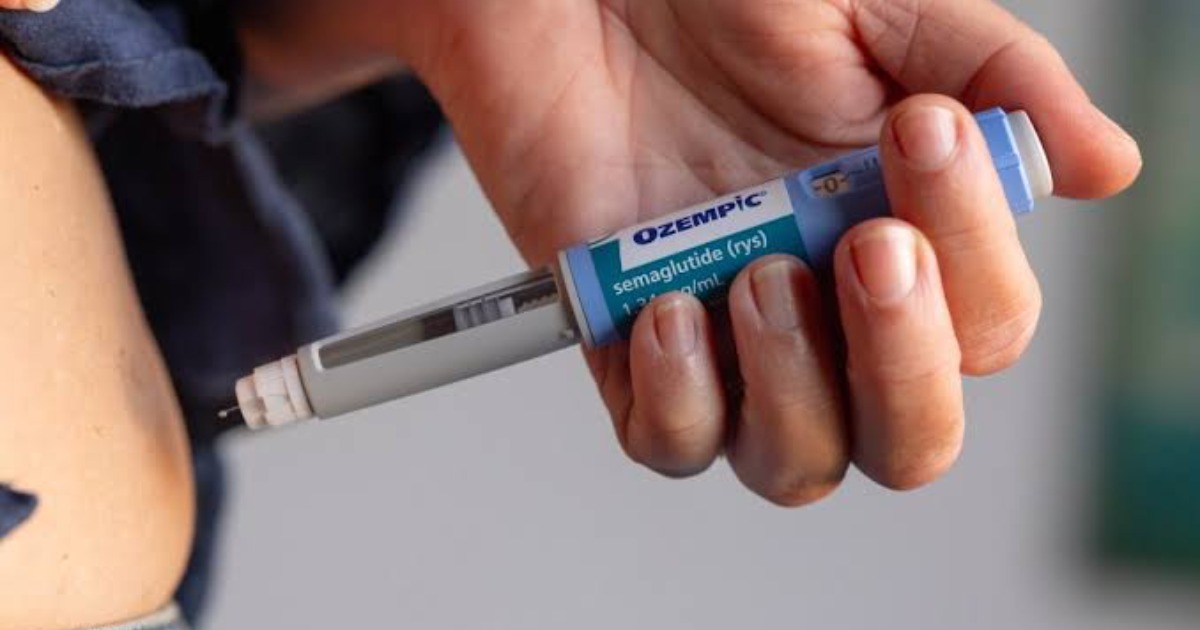
The US Food and Drug Administration (FDA) has announced new safety warnings for a class of popular diabetes and weight-loss medications, including Ozempic, Wegovy and Mounjaro.
The announcement, published on November 9, 2026, follows growing concerns about a rare but potentially serious condition affecting the eyes.
Some patients have also filed lawsuits against pharmaceutical manufacturers, alleging that their eyesight was damaged after using GLP-1 medications.
Now, the FDA wants patients and healthcare professionals to be aware of the possible risk and recognise the warning signs.
What eye symptoms has the FDA warned about?
The FDA has warned about a potential increased risk of non-arteritic anterior ischemic optic neuropathy (NAION), a condition that can cause sudden, painless vision loss, usually affecting one eye.
NAION occurs when blood flow to part of the optic nerve becomes insufficient, damaging the nerve responsible for transmitting visual information to the brain.
According to the American Academy of Ophthalmology, it is one of the most common causes of sudden optic nerve injury in people over the age of 50.
Possible symptoms include:
Symptoms can sometimes first become noticeable upon waking.
NAION may cause permanent vision impairment, although the extent of vision loss varies between individuals.
Anyone experiencing sudden changes in their eyesight should seek urgent medical assessment rather than waiting for symptoms to improve.
What exactly did the FDA announce?
In its November 9 announcement, the FDA said it was informing patients and healthcare professionals about a potential increased risk of NAION associated with glucagon-like peptide-1 receptor agonist medications.
The agency described NAION as a rare condition that can lead to sudden, painless deterioration in eyesight, including permanent vision loss.
As a result, the FDA said manufacturers of GLP-1 receptor agonist medications would be required to add information about the potential risk to the Warnings and Precautions sections of their prescribing labels.
The change is intended to ensure healthcare professionals and patients have access to updated safety information when considering treatment.
However, a potential increased risk does not mean everyone taking these medications will develop the condition.
Which weight-loss medications are affected?
The FDA's announcement concerns GLP-1 receptor agonists, a class of medications used to help manage blood sugar levels and, in some cases, support weight loss.
Popular medications discussed in connection with the warning include:
Although Mounjaro and Zepbound act on both GIP and GLP-1 receptors, they are frequently discussed alongside GLP-1 medications.
Patients should consult the latest prescribing information for their specific medication to understand which warnings apply.
Can Ozempic and other GLP-1 drugs cause blindness?
Some patients have alleged that they experienced serious vision problems after taking GLP-1 medications, leading to lawsuits against manufacturers including Novo Nordisk and Eli Lilly.
However, the existence of these lawsuits does not establish that the medications caused the reported injuries.
The FDA's announcement identifies a potential increased risk that warrants additional warnings, rather than establishing that every reported case was caused by treatment.
Other medical conditions, including diabetes and cardiovascular risk factors, can also influence the risk of optic nerve problems.
Researchers and regulators must consider these factors when examining whether a medication contributes to an increased risk.
What have Novo Nordisk and Eli Lilly said?
Novo Nordisk, which manufactures Ozempic and Wegovy, previously rejected allegations made in personal injury lawsuits concerning its products.
In a statement provided to UNILAD in September, the company said it was defending the lawsuits and continuing to evaluate reports of NAION among patients treated with semaglutide.
The manufacturer maintained that a causal relationship between semaglutide and NAION had not been established.
It also said patient safety remained a priority and that it continued working with regulators to monitor adverse event reports.
Meanwhile, Eli Lilly, the manufacturer of Mounjaro and Zepbound, previously told The Boston Globe that it would continue reviewing available safety data, including information concerning eye-related complications.
UNILAD reported that it had contacted both manufacturers again following the FDA's November announcement.
What should patients taking GLP-1 medications do?
People currently using GLP-1 medications should be aware of the newly reported potential risk without assuming they will develop eye problems.
Patients should not independently change or discontinue prescribed treatment solely because of a news report. Instead, they should discuss any concerns with their prescribing healthcare professional.
However, sudden vision loss or other abrupt changes in eyesight require immediate medical attention.
Patients should also tell their healthcare provider about existing eye conditions and any new visual symptoms that develop during treatment.
The FDA's decision to strengthen medication warnings is intended to support informed treatment decisions as regulators continue assessing the available evidence.
For now, the key message is that the potential complication is rare but serious, and recognising sudden changes in vision could be important in obtaining prompt medical care.
Sources: UNILAD, November 9, 2026; FDA safety announcement as quoted by UNILAD; American Academy of Ophthalmology; previous manufacturer statements reported by UNILAD and The Boston Globe.