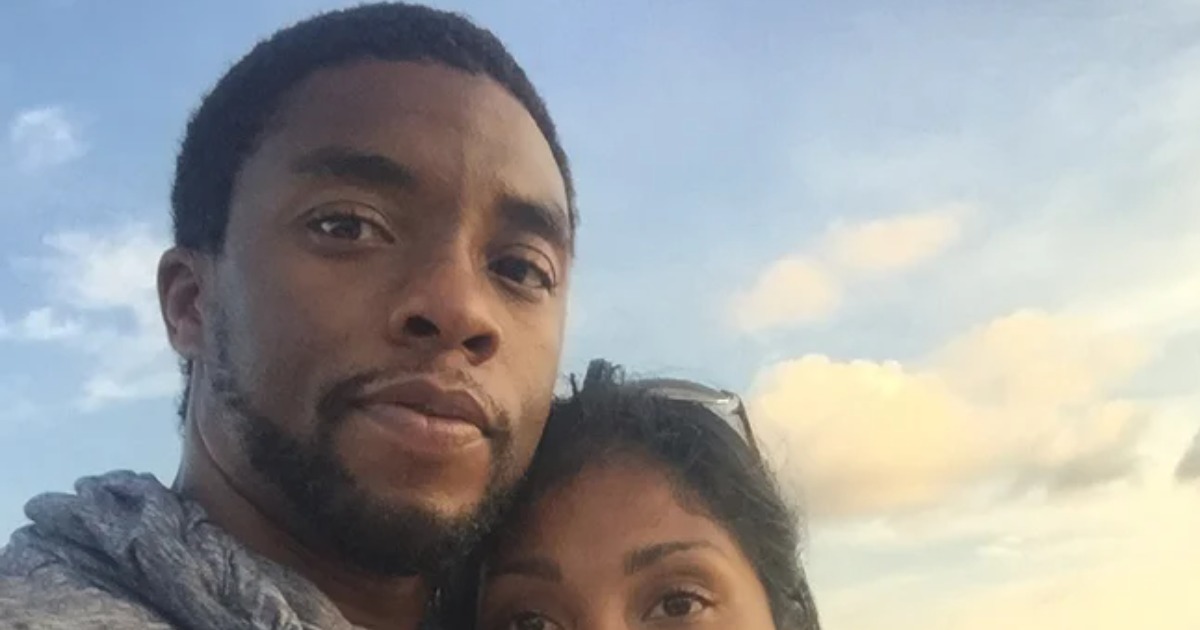

Six years ago today, on August 28, 2020, Chadwick Boseman died from colon cancer at the age of 43. The Black Panther star had kept his diagnosis entirely private, continuing to work throughout his treatment, filming multiple major projects during and between surgeries and chemotherapy. His family's statement described him as "a true fighter" who brought audiences films including Black Panther, Marshall, Da 5 Bloods and Ma Rainey's Black Bottom while privately battling the disease.
His death came as a profound shock, not only because of his age but because colon cancer is widely perceived as a condition affecting older people. The Centers for Disease Control and Prevention has traditionally associated the highest risk with those aged 45 and over, but in recent years doctors have raised alarm about a significant rise in diagnoses among younger adults. Scientists have noted that colon cancer is now the only type of cancer where deaths are actively increasing in people under 50.
Colon cancer is the third most common cancer diagnosis in the United States and the second leading cause of cancer deaths, with approximately 152,810 new colorectal cancer cases diagnosed in 2024 and around 53,000 deaths from the disease in the same year.
In the days following Boseman's death, health experts used the moment to encourage people to understand the symptoms, which can be easy to dismiss or attribute to other causes. The broader list of warning signs includes blood in or on the stool, abdominal pain or cramps that do not go away, unexplained weight loss, diarrhoea or constipation, and a feeling that the bowel does not empty fully.
But it is the very first symptom, the one doctors say is most commonly ignored, that is worth paying the closest attention to: a change in bowel habits. Dr Jen Caudle, who took to YouTube shortly after Boseman's death to address the warning signs, was direct about what that means in practice.
"That's when you have a certain type of bowel movement that happens every day, and now all of a sudden you're constipated, or have diarrhoea," she explained. When your bowel habits are no longer typical for you, that is the moment to book an appointment with a doctor.
She also flagged a lesser-known indicator: a change in the size or shape of your stool. "If your stools become more narrow, or skinny, or a different shape, that's something to take note of, and you've got to talk to a doctor if that occurs," she said.
The key message from doctors, then and now, is the same. Colon cancer caught early is highly treatable. The symptoms can be subtle and easy to rationalise away. Chadwick Boseman's death was a reminder that the disease does not only affect the elderly, and that paying attention to changes in your body, however uncomfortable or easy to dismiss, can be the difference between catching something early and missing it entirely.
If you have concerns about any of the symptoms described, speak to your GP or contact the American Cancer Society on 1-800-227-2345.