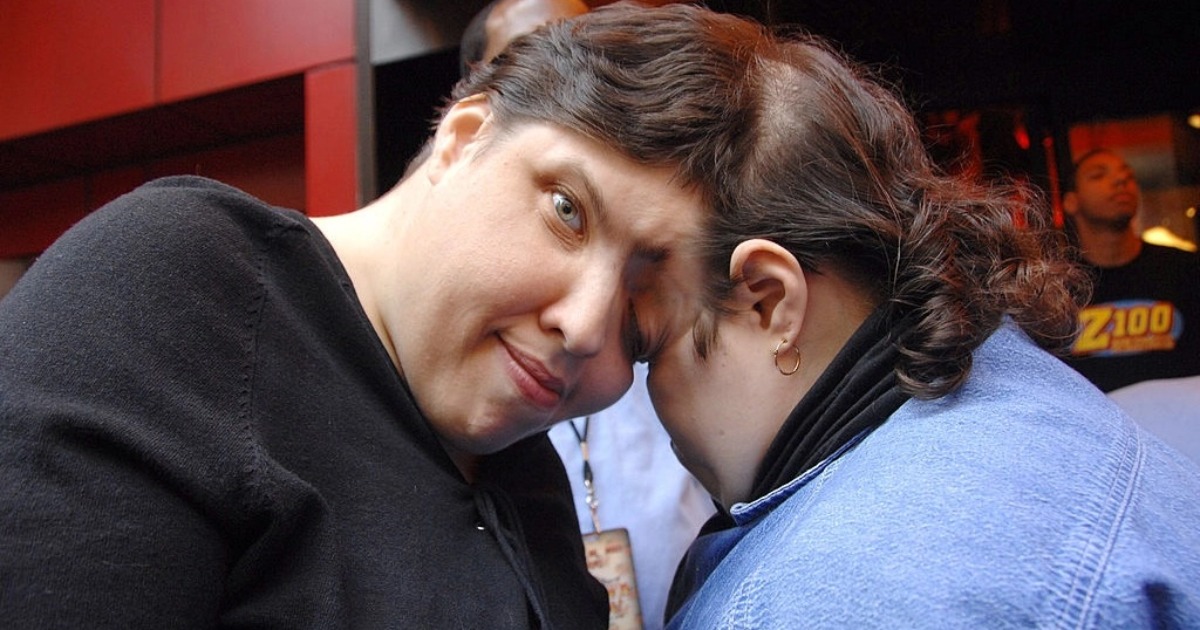

Lori and George Schappell spent their entire lives physically connected, sharing part of their skulls, blood vessels and brain tissue.
But despite their extraordinary closeness, George managed to keep something deeply personal from his twin sister for more than four decades.
The American siblings, who were recognised as the world's oldest living conjoined twins before their deaths in 2024, became known for their determination to lead independent lives.
They pursued different careers, enjoyed their own interests and even arranged their home to give each other a sense of privacy.
Yet one of the most significant parts of George's identity remained unknown to Lori for years.
What was the secret George Schappell kept from his sister?
George Schappell was a transgender man who had known since childhood that he identified as male, but kept his gender identity secret from his conjoined twin sister Lori for decades.
George was assigned female at birth and originally given the name Dori.
He publicly came out as a transgender man in 2007, when he was in his mid-40s.
Speaking to The Sun in 2011, George explained that he had understood his gender identity from a very young age.
He described feeling uncomfortable with traditionally feminine clothing and recalled preferring activities that were conventionally associated with boys.
However, he kept those feelings private for many years, including from the person who had been physically connected to him since birth.
George explained that, as he grew older, he became increasingly determined to live openly as himself.
His decision marked an important personal milestone after decades of keeping his identity hidden.
How did George keep the secret when they were physically connected?
Perhaps the most surprising aspect of the story is that George and Lori were never physically separated.
The siblings were born joined at the skull, meaning they spent their entire lives in extremely close proximity.
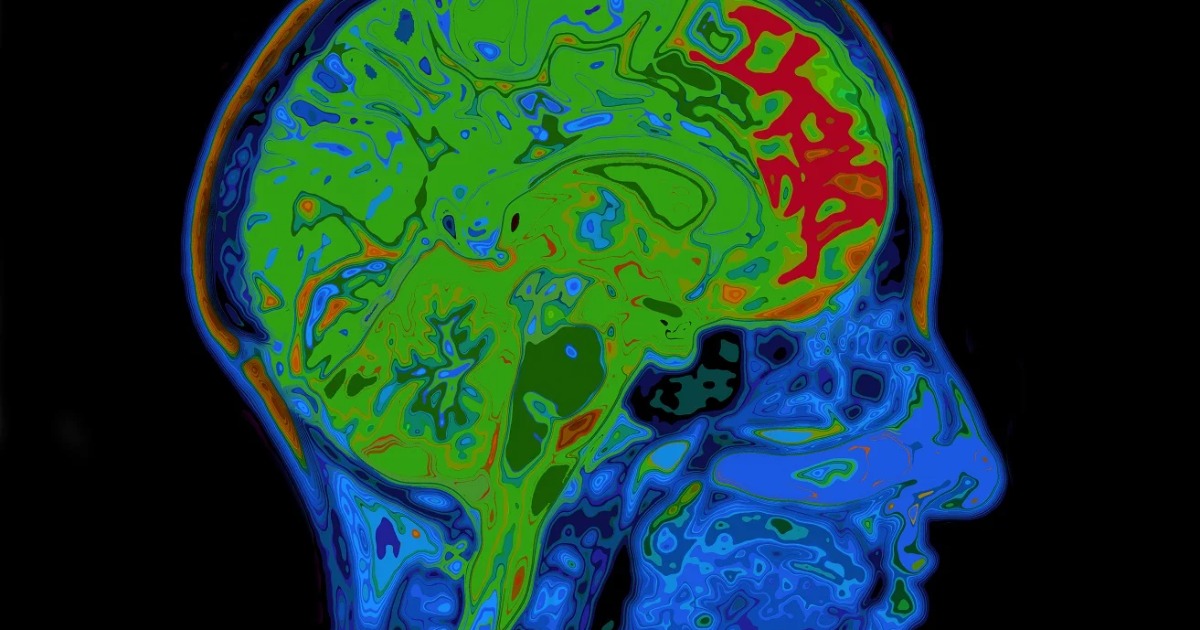
According to reports about their condition, they shared important blood vessels and approximately 30 percent of their brain tissue.
Despite this physical connection, they remained two distinct individuals with separate thoughts, personalities and personal identities.
George was able to keep his gender identity private because being physically connected did not mean Lori automatically knew his private thoughts or feelings.
He chose not to discuss that part of his identity with her for many years.
The twins also made considerable efforts to maintain individuality in their everyday lives.
They had different interests, careers and personal spaces, demonstrating that their physical connection did not prevent them from developing independent identities.
There is no indication that George used an elaborate deception to conceal his feelings. Rather, he simply did not disclose them until he felt ready.
How did Lori react when George finally told her?
George's revelation initially surprised Lori, who admitted she had not known how her sibling truly felt.
However, she went on to express pride in her brother for making such an important personal decision.
Speaking publicly about the revelation, Lori explained that although the news had come as a shock, the twins had already overcome so many challenges together.
She believed their relationship was strong enough to withstand anything.
Her response demonstrated the closeness the siblings had developed throughout their lives.
Rather than allowing the revelation to damage their relationship, Lori supported George as he began living openly as a man.
Who were Lori and George Schappell?
Lori and George Schappell were born on September 18, 1961, in Reading, Pennsylvania.
They were craniopagus conjoined twins, meaning they were physically joined at the head.
Their condition was exceptionally rare, and doctors initially doubted they would survive beyond infancy.
However, the siblings defied those expectations and lived for more than six decades.
They became internationally known through television appearances, interviews and documentaries exploring their lives.
In 2022, Guinness World Records recognised them as the world's oldest living conjoined twins.
They retained that distinction until their deaths in April 2024.
Why did Lori and George refuse to be separated?
When the twins were born in 1961, the medical techniques needed to separate them safely were not available.
Their shared blood vessels and brain tissue made separation particularly complicated.
As medical technology advanced, the possibility of separation became a topic of discussion.
However, the siblings repeatedly made it clear that they did not want to undergo such a procedure.
In a 2002 interview with the Los Angeles Times, Lori explained that she believed their physical connection was part of how they were meant to exist.
George shared a similar perspective, questioning why they should attempt to change something that was not causing them to want separation.
For the twins, living independently did not necessarily mean living physically apart.
Instead, they focused on making their shared circumstances work while maintaining individual choices wherever possible.
How did the conjoined twins manage everyday life?
Despite the challenges associated with their condition, Lori and George worked to live as independently as possible.
They moved out of institutional care as young adults and established a home together.
Each had their own bedroom, reflecting their different personalities and interests.
Lori's room was decorated according to her preferences, while George's featured music posters and other items connected to his career.
Because they could not sleep in separate rooms at the same time, the twins alternated between bedrooms each night.
They also divided everyday responsibilities and maintained separate social interests.
George lived with spina bifida, a condition affecting the development of the spine and spinal cord, which limited his mobility.
As a result, he used a wheelchair, which Lori helped manoeuvre.
The arrangement allowed them to travel, work and participate in everyday activities together.
What did Lori and George do for work?
Although they shared a physical connection, the twins pursued very different professional interests.
Lori became a successful ten-pin bowler and was recognised for her achievements in the sport.
George developed a career in country music, performing publicly and receiving recognition for his singing.
He performed under the name Reba Schappell earlier in his career, before publicly coming out as George.
Their different ambitions became an important part of their public story.
They frequently challenged assumptions that conjoined twins could not maintain distinct identities or pursue individual goals.
The siblings also spoke about relationships and personal independence, explaining that they had found ways to accommodate one another's interests.
Did Lori and George share the same thoughts?
One of the most common misconceptions about conjoined twins joined at the head is that they must share thoughts or awareness.
However, physical connections between parts of the brain do not automatically mean that two people experience the same thoughts.
Lori and George were distinct individuals with their own personalities, preferences and private experiences.
Their story demonstrates why it is important not to assume that physical closeness eliminates personal boundaries.
George's decision to keep his gender identity private for decades was an example of that distinction.
Even though the twins were together throughout their lives, they did not necessarily share everything about their internal experiences.
When did Lori and George Schappell die?
Lori and George died on April 7, 2024, at the Hospital of the University of Pennsylvania in Philadelphia.
They were 62 years old.
Their deaths marked the end of an extraordinary life story that had attracted international attention for decades.
According to their obituary, the cause of death was not publicly disclosed.
Tributes following their deaths reflected on their determination to live independently and pursue fulfilling lives despite the challenges they faced.
The siblings had survived far beyond the expectations of doctors who attended their birth.
The remarkable legacy of Lori and George Schappell
For much of their lives, Lori and George challenged public assumptions about what conjoined twins could achieve.
They pursued careers, developed relationships, travelled and made their own decisions about medical treatment.
George's experience of coming out as transgender also became an important part of their story.
His decision to share his identity after decades of privacy highlighted that even people who are physically inseparable can have deeply individual experiences.
And Lori's supportive reaction showed the strength of a relationship that had already endured extraordinary challenges.
Although both siblings died in 2024, their story continues to attract attention as an example of individuality, personal choice and the importance of being able to live authentically.
Source: LADbible, updated March 17, 2026, citing interviews with George and Lori Schappell, including The Sun and the Los Angeles Times, alongside Guinness World Records and obituary information.