
A growing number of women are sharing their experiences with a viral TikTok trend known as 'ferritin face', after noticing changes to their appearance that they previously struggled to explain.
Videos discussing the phenomenon have attracted widespread attention, with creators posting before-and-after photographs and describing changes they noticed following medical treatment.
Some women have reported feeling exhausted for months, while others say they experienced changes to their skin and hair without understanding the underlying cause.
But medical experts are warning that the trend should not be treated as a diagnosis, even if some of the experiences being shared reflect genuine health problems.
What does 'ferritin face' actually mean?
'Ferritin face' is an unofficial social media term describing facial and appearance changes that some people associate with low ferritin levels, which can indicate depleted iron stores in the body.
Ferritin is a protein that stores iron, an essential mineral involved in producing haemoglobin, which helps red blood cells transport oxygen around the body.
When ferritin levels are low, it can mean that the body's iron reserves are running down.
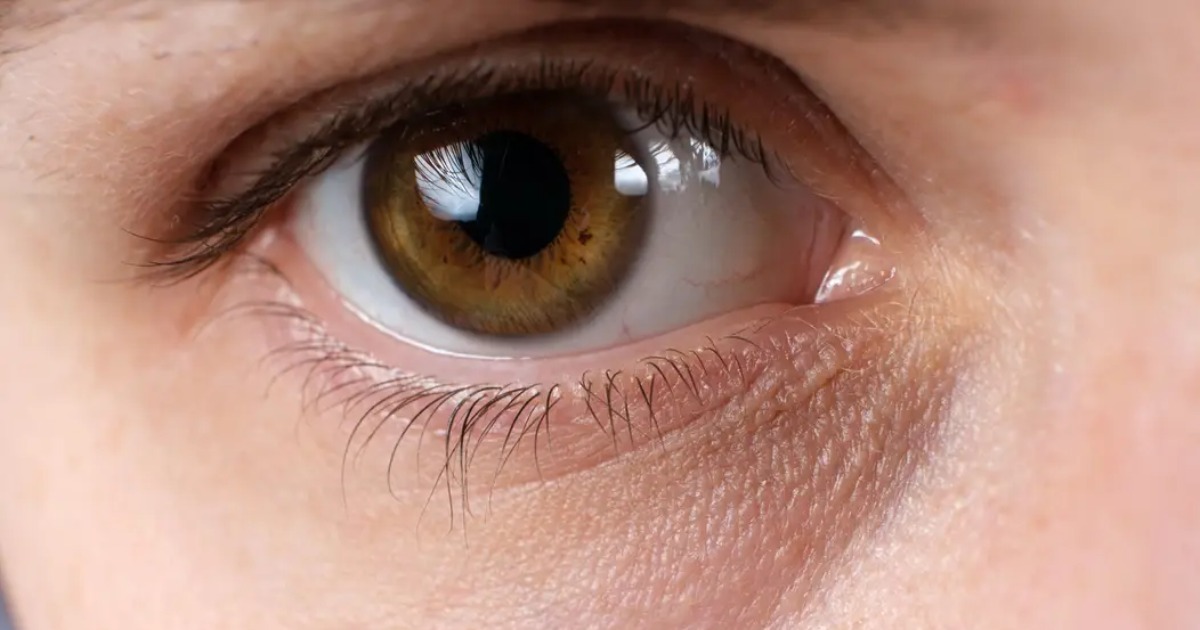
Some TikTok users have associated the condition with pale or washed-out skin, dark circles beneath the eyes, dry lips, brittle nails and thinning hair.
However, 'ferritin face' is not a recognised medical diagnosis, and these appearance changes are not specific to iron deficiency.
Doctors stress that someone cannot reliably determine whether they have low ferritin simply by looking in a mirror or comparing photographs.
A blood test is needed to assess iron stores and establish whether further investigation is required.
Why has 'ferritin face' gone viral on TikTok?
The trend has gained popularity as women share personal accounts of discovering they had low iron levels after experiencing symptoms they initially dismissed.
One creator suggested that concerns about appearance could sometimes reflect an underlying health issue rather than a cosmetic problem.
Others have posted photographs comparing how they looked before and after receiving treatment for iron deficiency.
One woman claimed that her skin tone changed so noticeably after an iron infusion that people assumed she had used fake tan.
Another described looking unusually pale before developing more serious symptoms, including hair shedding and fainting.
Although these personal accounts have helped raise awareness, they do not establish that every visible change was caused by low ferritin.
Lighting, hydration, sleep and other health conditions can all affect someone's appearance.
What are the symptoms of low ferritin?
According to women's health expert Dr Shirin Lakhani, low ferritin can cause symptoms even before someone develops iron deficiency anaemia.
Possible symptoms include:
These symptoms can have many different causes, so experiencing one or more does not necessarily mean someone has low iron levels.
However, persistent or unexplained symptoms should be discussed with a healthcare professional.
Can low ferritin really change your face?
Dr Luke Pratsides, chief medical officer at preventative health clinic Ohas, explained to Tyla that some changes associated with the trend can occur in people with significant iron deficiency.
He identified pale skin, dry lips, dark under-eye circles and thinning hair as possible features.
However, he emphasised that these signs can also occur with other conditions, including deficiencies in vitamin B12 or folate.
Dark circles are particularly unreliable as a diagnostic clue because they are commonly influenced by genetics, allergies, poor sleep and other everyday factors.
Similarly, changes in lighting or hydration can make skin appear noticeably different in photographs.
Dr Subramaniam Ramakrishnan, a consultant gastroenterologist, explained that people with low iron stores but no anaemia may not look noticeably different from usual.
More significant iron deficiency anaemia can sometimes cause visible paleness, changes to the colour of the inner eyelids, hair problems and unusual nail changes.
However, appearance alone cannot confirm or rule out iron deficiency.
What's the difference between low ferritin and anaemia?
Although the terms are sometimes used interchangeably online, low ferritin and anaemia are not the same thing.
Ferritin reflects the body's stored iron, while haemoglobin is the oxygen-carrying protein found in red blood cells.
Iron deficiency can develop when the body's iron stores become depleted.
If the deficiency progresses far enough, the body may struggle to produce sufficient healthy haemoglobin, resulting in iron deficiency anaemia.
However, someone can have low ferritin without being anaemic.
This means a person may experience symptoms associated with iron deficiency even if their haemoglobin has not fallen below the threshold used to diagnose anaemia.
A 2024 study published in JAMA Network Open estimated that approximately 34 percent of US women aged 18 to 49 had absolute iron deficiency.
The findings highlight how common depleted iron stores can be among women of reproductive age.
Why are women more likely to have low iron levels?
Women who menstruate can be particularly vulnerable to iron deficiency because of regular blood loss.
Heavy menstrual bleeding can increase this risk, particularly when it continues over several months or years.
Conditions such as fibroids and endometriosis may also be associated with heavy periods and increased iron loss.
Pregnancy increases the body's iron requirements as it supports the developing baby and placenta.
Blood loss during childbirth can also contribute to depleted iron stores during postpartum recovery.
Other possible causes include insufficient dietary iron, problems absorbing iron from food and blood loss from the digestive tract.
Because there are several potential explanations, identifying the underlying cause is an important part of treatment.
How do you find out if your ferritin is low?
The reliable way to investigate suspected low ferritin is through blood testing arranged by a healthcare professional.
A clinician may request a full blood count to assess haemoglobin and other blood cell measurements, alongside a ferritin test to evaluate iron stores.
Additional investigations may be needed depending on the results and the person's symptoms.
Ferritin can also rise during inflammation or illness, which means interpreting the result sometimes requires additional clinical context.
Someone with persistent tiredness, unexplained hair loss, breathlessness or unusually heavy periods should consider discussing these symptoms with their GP.
It is especially important not to assume that symptoms are simply cosmetic or a normal part of everyday stress.
Can diet help increase iron levels?
Diet can play an important role in maintaining healthy iron stores.
Foods containing iron include red meat, beans, lentils, leafy green vegetables and iron-fortified cereals.
Iron from animal foods is generally absorbed more readily than iron from many plant sources.
Consuming vitamin C alongside plant-based iron sources can help improve absorption.
However, dietary changes alone may not be sufficient for someone with significant iron deficiency, particularly if they are experiencing ongoing blood loss.
Some people may require prescribed iron supplements or, in certain circumstances, iron infusions.
Doctors caution against starting high-dose iron supplements without appropriate medical advice because excessive iron can be harmful and self-treatment may delay investigation of an underlying condition.
When should you see a doctor?
Dr Ramakrishnan advised seeking medical assessment for symptoms such as unexplained fatigue, breathlessness, brain fog, reduced exercise tolerance and unusually heavy periods.
Blood in the urine or stool also warrants medical attention, as it may indicate a cause of blood loss that requires investigation.
Untreated severe iron deficiency anaemia can lead to significant complications, including strain on the heart.
Anyone experiencing severe breathlessness, chest pain or fainting should seek urgent medical assessment.
Although the viral 'ferritin face' trend may encourage people to pay closer attention to unexplained symptoms, experts agree that social media photographs are no substitute for medical testing.
The important takeaway is not that every dark circle or change in complexion indicates a deficiency, but that persistent symptoms deserve proper investigation.
Source: Tyla, Greg Harris, published August 2 and updated October 28, 2026, including expert comments from Dr Luke Pratsides, Dr Subramaniam Ramakrishnan and Dr Shirin Lakhani.