Governments around the world are encouraging households to prepare for potential emergencies, with one particular timeframe appearing repeatedly in official advice: 72 hours.
From the United Kingdom and France to Japan and the United States, authorities have been highlighting the importance of having basic supplies available if everyday services are unexpectedly disrupted.
The advice comes amid concerns about extreme weather, cyberattacks, power outages and other emergencies that could affect access to essential services.
Former FBI Deputy Director Dan Bongino has also urged Americans to take preparedness warnings seriously, following reports of a major Pentagon initiative to strengthen military infrastructure.
But why are governments so focused on the same three-day period?
Why are the first 72 hours of an emergency so important?
The first 72 hours are considered particularly important because emergency services may be overwhelmed immediately after a major incident, meaning households could need to manage independently while authorities respond to the most urgent situations.
During a widespread flood, severe storm or major power outage, emergency responders must prioritise people facing immediate danger.
That could involve rescuing stranded residents, treating serious injuries, protecting vulnerable people and ensuring hospitals continue operating.
Meanwhile, other households might temporarily experience disrupted electricity, water supplies, communications or access to shops.
Having enough essential supplies for approximately three days provides a practical buffer while emergency services coordinate their response and infrastructure providers work to restore normal operations.
According to reporting cited by UNILAD, experts consider 72 hours a useful preparedness target because it balances resilience with affordability and storage space.
It is not a guarantee that services will return after exactly three days. Some emergencies may be resolved much sooner, while others could require households to manage for considerably longer.
What did former FBI Deputy Director Dan Bongino warn Americans about?
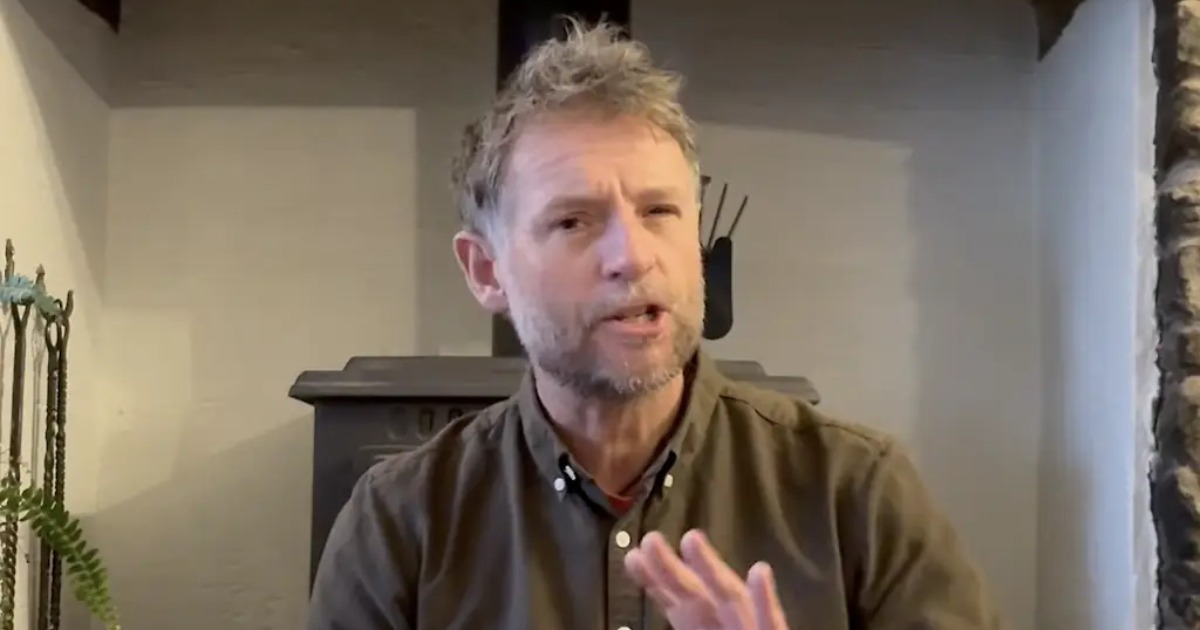
Former FBI Deputy Director Dan Bongino recently urged American families to take emergency preparedness seriously during an episode of The Dan Bongino Show.
Bongino encouraged listeners to obtain basic emergency equipment and supplies before they were needed.
Among the items he recommended were:
Bongino argued that preparing in advance was preferable to discovering during an emergency that essential supplies were unavailable.
He also encouraged families to consider their responsibilities towards children and other household members.
His comments were presented as a general preparedness warning, rather than an announcement of a specific imminent disaster.
What is the Pentagon's FORTRESS initiative?
Bongino's comments came alongside reporting about a Pentagon initiative known as FORTRESS.
According to UNILAD, the programme is intended to strengthen the ability of US military facilities to operate independently if civilian infrastructure becomes unavailable.
The reported objective is to help military installations maintain essential operations for at least 90 days during major disruptions.
Proposed measures include independent energy systems, large-scale battery storage, portable nuclear reactors and local power grids.
The initiative also involves planning for critical military supplies, including fuel, medical equipment, ammunition and essential industrial materials.
Pentagon spokesperson Sean Parnell explained that national defence operations should not depend entirely on ordinary civilian infrastructure.
However, military contingency planning does not by itself indicate that officials expect an immediate conflict or nationwide emergency.
What is the UK government advising households to prepare?
The UK government has encouraged households to think about how they would cope with short-term disruptions to essential services.
Recent severe weather has reinforced concerns about the consequences of widespread power outages and transport problems.
According to UNILAD, Storm Boelo caused significant disruption, including fatalities and power failures affecting tens of thousands of people.
Emergency planning advice generally recommends keeping practical essentials available at home.
These can include:
The appropriate quantities depend on household size, individual health needs and the type of disruption being planned for.
Why are other countries recommending different amounts?
Although 72 hours is a common starting point, not every country recommends the same level of preparedness.
France has encouraged households to maintain approximately three days of essential supplies.
Germany has promoted longer-term preparedness, including advice to keep enough provisions for up to 10 days.
Japan, which faces significant earthquake and volcanic risks, considers three days a minimum and encourages households to aim for a week where possible.
These differences reflect national risk assessments, infrastructure considerations and the practical challenges of responding to different types of emergencies.
Professor Lucy Easthope, a disaster planning expert, told the BBC that Scandinavian countries have maintained a stronger culture of household preparedness for many years.
She suggested the UK was still catching up with some European neighbours in encouraging people to prepare for disruption.
Does this mean governments are expecting World War Three?
No specific prediction of a world war follows from the preparedness guidance described in these reports.
Governments plan for a wide range of emergencies, many of which have nothing to do with armed conflict.
Severe storms, flooding, infrastructure failures, cyberattacks and industrial accidents can all interrupt essential services.
Preparedness advice is intended to make households more resilient across these different scenarios.
Although international tensions have increased interest in civil defence planning, a recommendation to maintain emergency supplies should not be interpreted as confirmation that war is imminent.
What has the British Red Cross said about the warnings?
The British Red Cross has emphasised that household preparedness advice is not intended to create panic.
The charity explained that the guidance focuses on helping people cope with temporary interruptions to everyday services.
These could include electricity, water, communications, transport and access to shops.
Having a modest supply of essential items, a household plan and access to reliable information can make such situations easier to manage.
The organisation's message is that preparedness should be practical and proportionate rather than driven by fear.
What should families do now?
Emergency planning does not necessarily require expensive equipment or large quantities of stored goods.
For many households, the first step is simply identifying what they would need if they could not access shops or essential services for several days.
It can also help to discuss how family members would communicate during a power outage, where essential medication is kept and how to access reliable emergency information.
Supplies should be checked periodically so food, medication and batteries remain usable.
For people with medical conditions, disabilities or other additional needs, an individualised plan may be particularly important.
Ultimately, the reason governments emphasise 72 hours is straightforward: those initial days can be a demanding period for emergency responders and affected communities.
Being reasonably prepared can help households remain safe and comfortable while authorities concentrate on restoring essential services and assisting those in immediate danger.
Sources: UNILAD, Niamh Shackleton, October 29, 2026; UNILAD, Thomas Bamford, October 28, 2026; British Red Cross; BBC; and US FEMA/Ready.gov emergency preparedness guidance.