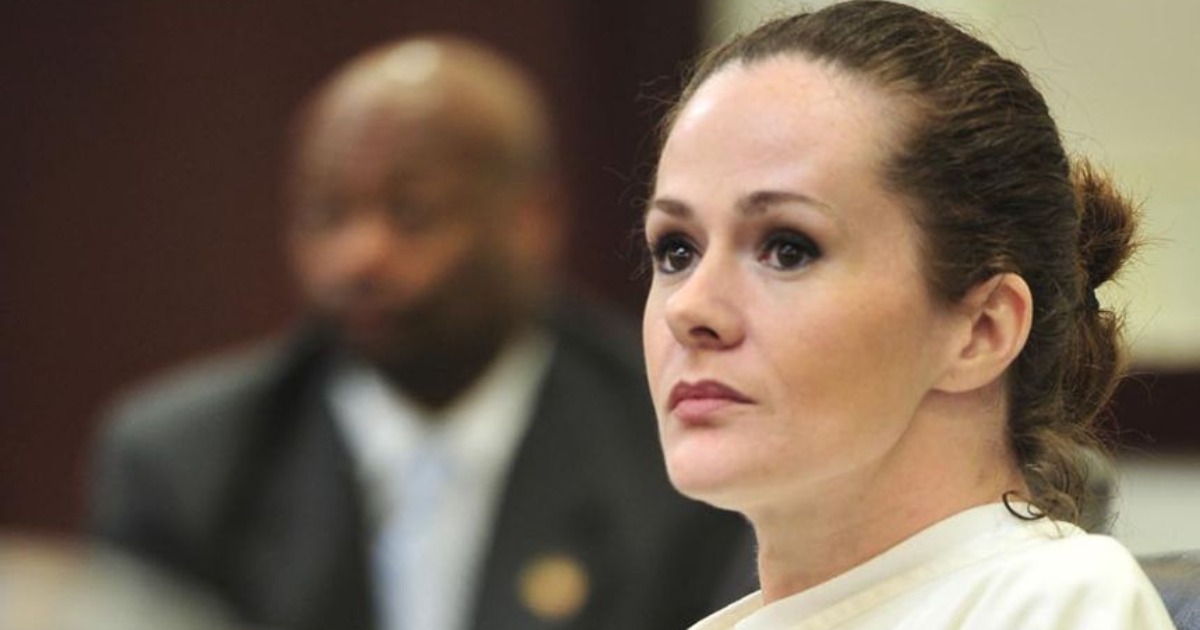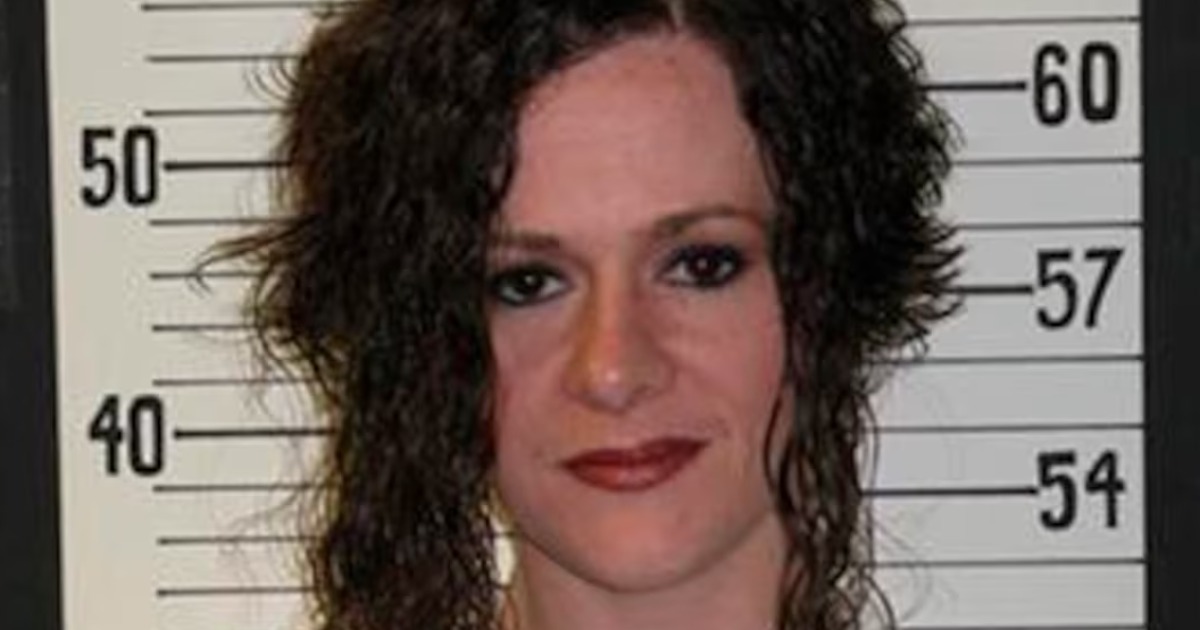

The doctor who oversaw Christa Pike's failed execution has spoken publicly about what happened inside the Tennessee prison when the lethal injection procedure did not go as planned.
Dr. Mark Fowler, 69, was assigned to be present during Pike's scheduled execution on September 30, 2026, after she spent approximately three decades on death row for the murder of 19-year-old Colleen Slemmer.
His primary responsibility was to pronounce Pike dead once the execution had been completed.
However, the procedure took an unexpected turn when prison officials realised that the lethal injection had not produced its intended result.
Now, Fowler has described the medical complications that followed and explained why he believes the state should still carry out Pike's death sentence.
What went wrong during Christa Pike's execution?
According to Dr. Fowler, the lethal injection drugs were delivered into the tissue of Pike's arms rather than properly entering her bloodstream because of problems with the intravenous lines.
Speaking to Intelligencer, Fowler explained that IV equipment can sometimes become dislodged, blocked or bent, preventing medication from entering a vein as intended.
He said the drugs had instead entered the subcutaneous tissue beneath Pike's skin.
This would help explain why the medication did not produce the expected effect despite the administration of two doses of pentobarbital.
However, the precise sequence of equipment failures and decisions made during the procedure remains subject to scrutiny.
According to court filings, execution staff struggled to establish intravenous access before the drugs were administered.
Pike's attorneys reported that multiple attempts were made to insert IV lines and that she complained of severe pain in her arms.
What did Dr. Mark Fowler say happened inside the execution chamber?
Fowler recalled being informed by the prison warden that Pike had not died following the initial administration of the execution drugs.
He initially believed the medication might simply be taking longer than expected to work.
However, as more time passed, he became increasingly concerned about Pike's condition.
Fowler said he feared she could survive the procedure with permanent neurological injuries.
According to his account, Pike was comatose when prison officials decided to halt the execution.
At that point, Fowler's responsibility changed dramatically.
Instead of preparing to pronounce her dead, he became involved in efforts to preserve her life.
How was Christa Pike saved?
Following the decision to stop the procedure, emergency medical assistance was requested.
Fowler said he arranged for oxygen to be provided while preparations were made to transport Pike to hospital.
She was subsequently taken to Vanderbilt University Medical Center in Nashville.
According to the reporting, Pike required ventilator support and treatment for injuries to her arms.
Her lawyers later said she had experienced serious physical complications following the attempted execution.
On October 10, her legal team confirmed that she had been discharged from hospital and returned to the Debra K. Johnson Rehabilitation Center.
They said she continued to receive medical care while recovering from the incident.
What did Pike's lawyers say about the lethal injection?
In court documents filed after the execution attempt, Pike's attorneys described difficulties establishing the intravenous lines required under Tennessee's execution protocol.
Attorney Randy Spivey, who witnessed the procedure, said execution personnel appeared to use approximately 10 needles while attempting to establish access.
He also reported concerns that veins in Pike's arm may have been damaged during the process.
According to the filing, Pike complained that her arm was burning and felt as though it might burst.
After two doses of pentobarbital had been administered, she remained alive.
Her lawyers subsequently sought emergency intervention to halt the procedure and obtain medical assistance.
The Tennessee Supreme Court later confirmed that the state had authorised emergency medical treatment and that Pike was being transported to hospital.
Does the doctor believe Christa Pike should still be executed?
Despite the failed procedure, Fowler has maintained that he believes Pike's death sentence should still be carried out.
He linked his position to his understanding of justice for the family of Colleen Slemmer, the young woman Pike was convicted of murdering in 1995.
Fowler also addressed criticism of his participation in executions.
He said he would not withdraw from the work simply because opponents of capital punishment objected to his involvement.
Defending his professional conduct, he insisted that he was neither uncaring nor incompetent.
His comments come amid continuing debate over whether Tennessee's lethal injection procedures can be carried out safely and lawfully.
Has Dr. Fowler been involved in another failed execution?
Fowler's role has attracted additional attention because he was previously involved in another unsuccessful execution attempt in Tennessee.
In May 2026, the state halted the planned execution of Tony Carruthers after medical personnel struggled to establish the necessary intravenous access.
The incident raised questions about the training and experience of personnel involved in administering lethal injections.
Fowler subsequently confirmed that he would also oversee Pike's September execution.
His involvement in both cases has become part of the wider scrutiny surrounding Tennessee's execution procedures.
What happened to Christa Pike after the failed execution?
Pike survived the September 30 procedure and spent several days receiving hospital treatment.
Her lawyers later confirmed that she had regained consciousness and was able to communicate.
After returning to prison, she continued to receive medical attention for the effects of the attempted execution.
Her legal team has also pursued action concerning the circumstances of the procedure.
A Tennessee court ordered officials to preserve evidence connected to the incident, including medical equipment, records and other materials that could help establish what happened.
The failed execution has raised constitutional questions about whether another attempt could amount to cruel and unusual punishment.
Will Tennessee attempt to execute Christa Pike again?
Tennessee Governor Bill Lee suspended further executions for the remainder of 2026 following the incident.
However, the suspension does not automatically overturn Pike's death sentence.
Her legal representatives continue to challenge the circumstances of the attempted execution, while state officials face questions about how the procedure failed.
Any future execution attempt could be affected by the outcome of legal proceedings and reviews of the state's lethal injection practices.
For now, Pike remains imprisoned, and no new execution date has been confirmed.
Fowler's latest account provides further insight into the medical problems that arose during the September procedure, but questions remain about exactly how the intravenous access failed and whether the complications could have been prevented.
Sources: UNILAD, Niamh Shackleton, October 31, 2026; Intelligencer interview with Dr. Mark Fowler; Associated Press and ABC News reporting on court filings; Tennessee Supreme Court order dated September 30, 2026.