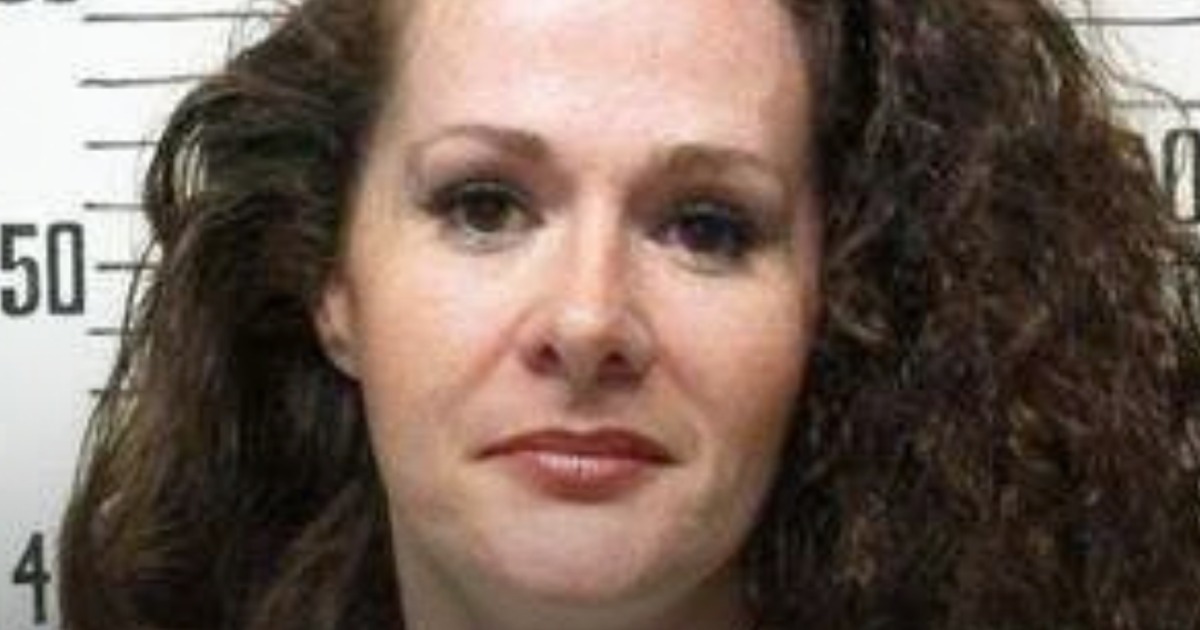

Christa Pike's attempted execution at Riverbend Maximum Security Institution in Nashville lasted more than an hour on Wednesday, with witnesses saying they could hear her every breath long after officials had administered a second lethal injection.
How the day unfolded
Pike, 50, was convicted over the 1995 murder of 19-year-old Colleen Slemmer, a classmate at a Knoxville job training centre, alongside her then-boyfriend Tadaryl Shipp and their friend Shadolla Peterson. A pentagram was carved into Slemmer's body, which drew national attention amid the "satanic panic" of the 1980s and 1990s. Pike was sentenced to death in 1996. Shipp, who was 17 at the time, received life with the possibility of parole, while Peterson testified against the couple and received six years' probation. A last-minute legal fight initially delayed the execution while judges considered whether Pike's history of childhood sexual abuse was properly weighed at sentencing, but the US Supreme Court ultimately allowed it to go ahead.
What witnesses say they saw
According to AP, the curtains to the execution chamber were raised at 7:27pm, revealing Pike strapped to a gurney. She was given the chance to speak and said she felt at peace, telling those present: "I'm going to leave this world the way I spent most of my life and that is in love." But rather than losing consciousness, witnesses say Pike stayed awake. At one point she reportedly lifted her head and asked guards about a sensation in her arm, wanting to know whether it was supposed to feel that way. Her lawyers later said in court filings that two doses of pentobarbital had been administered.
Witnesses reported that the second dose had been given by 8:26pm, but Pike did not die. After the curtain was closed, those present said they could still hear her snoring from inside the chamber. The microphone stayed on until 8:53pm, when it was cut off and media witnesses were told to leave the viewing area. WKRN anchor Tori Gessner, who was in the room, told a news conference: "Nothing about today was normal, typical, at all."
The victim's mother
Slemmer's mother, May Martinez, travelled from Florida to watch and told NBC: "It was a mess." She said Pike showed no remorse about what happened to Colleen, and described being abruptly asked to leave, saying: "They didn't say anything, and then, all of a sudden, they asked all the victims to leave. And we left. We didn't know anything until we got up to the office and saw the commissioner. And he said that it didn't work ... and she's on her way to the hospital."
What happened afterwards
Pike's lawyers filed an emergency motion with the Tennessee Supreme Court asking for the execution to be halted immediately, arguing she was experiencing "unnecessary agony" and that continuing would amount to cruel and unusual punishment. She was taken from the prison by ambulance, and her lawyers said she was still alive. The Tennessee Department of Correction maintains that officials followed the state's established execution protocol, and the state has paused its remaining scheduled executions this year while a third-party review is carried out.
Robin M Maher, executive director of the Death Penalty Information Center, said several inmates have previously survived when execution teams could not access a vein, but that no one had stayed alive after actually receiving the drugs used in a lethal injection, calling Pike's case "singular and unparalleled." Tennessee's protocol provides for a second set of syringes if an inmate has not died after the first, but it does not say what should happen if the person is still alive after the second dose.