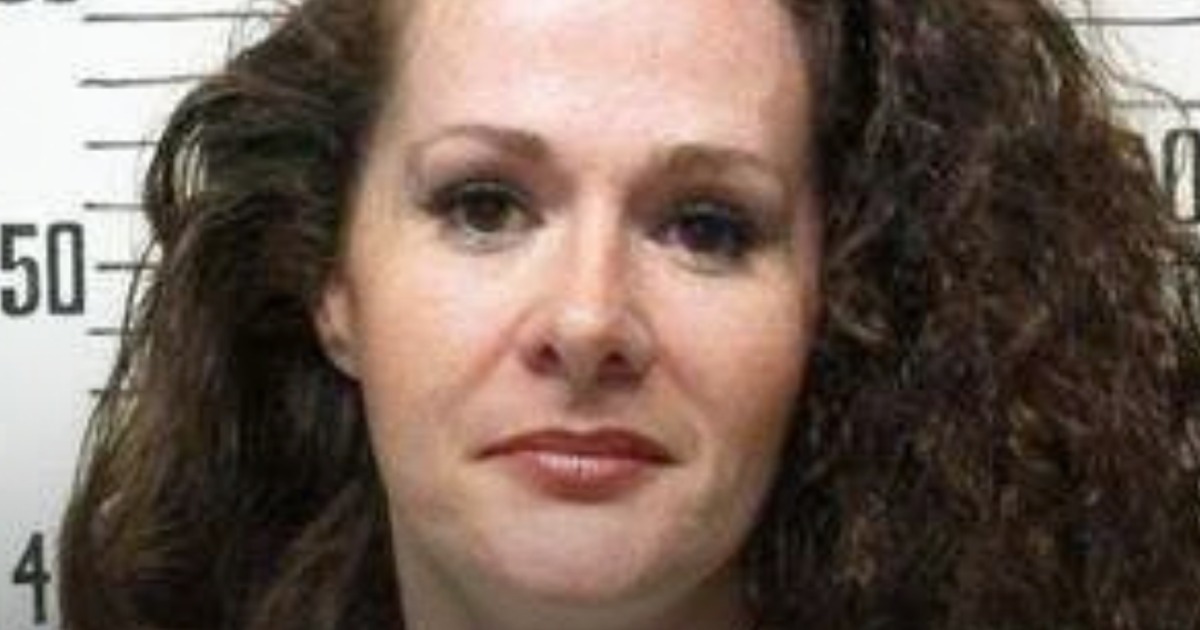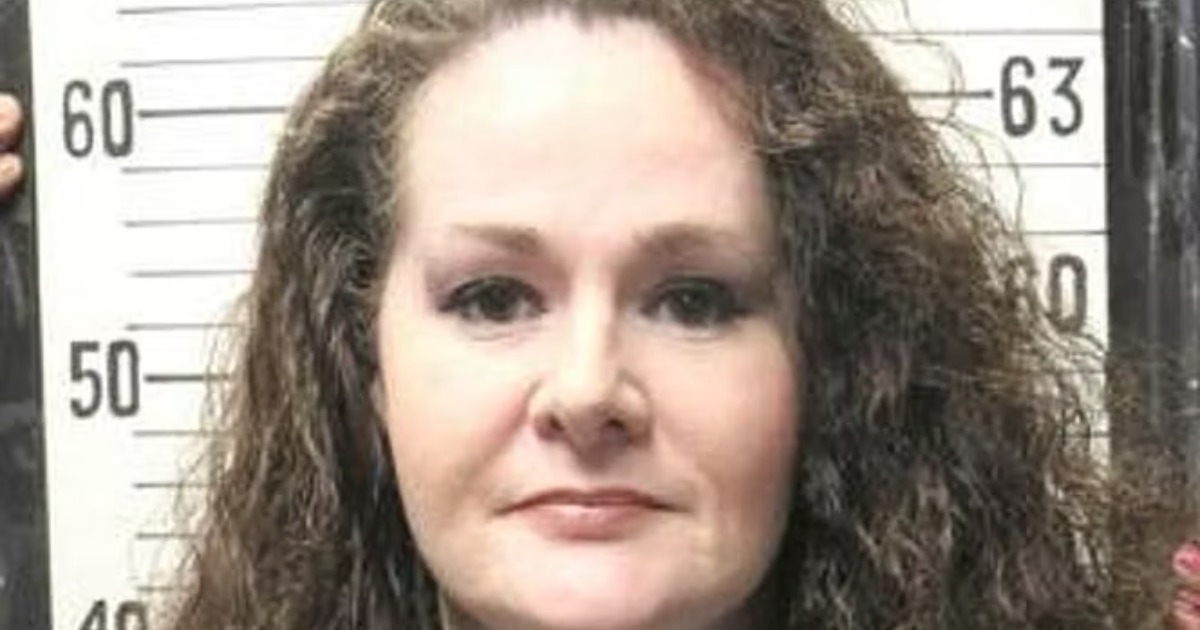

A medical expert has suggested that Christa Pike may not be executed at all, after two attempts to carry out her lethal injection in Tennessee failed to end her life on Wednesday.
What happened
Pike, 50, was due to become the first woman executed in Tennessee in more than 200 years. Her execution was briefly halted by a stay, which the US Supreme Court overturned, and she was strapped to a gurney that evening. Her lawyer Randy Spivey said at least seven needles were used on her left arm alone, with one appearing bent after an unsuccessful insertion. Witnesses said she was breathing, snoring and looking around, and she was taken to hospital. Governor Bill Lee has ordered an independent review and paused all executions in the state for the rest of the year.
Why she may not be executed
Dr Joel Zivot, an Associate Professor of Anesthesiology and Surgery at Emory University School of Medicine, told The Sun that the state may not be legally able to execute Pike again. He said: "If Christa Pike's health should be such a thing that it can never be restored to some degree… then she may not face [execution] again. If the death penalty goes wrong, which it has done in this case, it becomes the duty of the state to restore the prisoner to health. So they're bound to do it."
What he says went wrong
Zivot, who openly opposes capital punishment, described the outcome as predictable, saying: "These things were predictable. I knew that they would happen. I called that they would happen and they happened. I can tell you that all the things that I warn about, that I've written in the past, have all come to fruition in the case of Christa Pike." He explained that placing an intravenous catheter is a specific technical skill used by healthcare professionals, but that doctors and nurses stay out of executions because of medical ethics, meaning untrained non-medical staff end up carrying out the procedure. In his words: "It's not something that translates into the execution chamber."
The injuries he expects
Zivot said Pike very likely has significant burns on one or both arms, because he expects the pentobarbital went into the tissue rather than her bloodstream. Spivey has said her arms showed blistering and burning. Zivot said she may need intensive care for a period, possibly including skin grafts, and added: "She might have a weakened heart now."
What the state has said
A spokesperson for the Tennessee Department of Correction confirmed Pike was transported to an off-site medical facility, and the department says it followed its established execution protocol. This was Tennessee's second failed execution attempt of 2026, after Tony Carruthers' execution was abandoned in May when officials could not establish IV access.