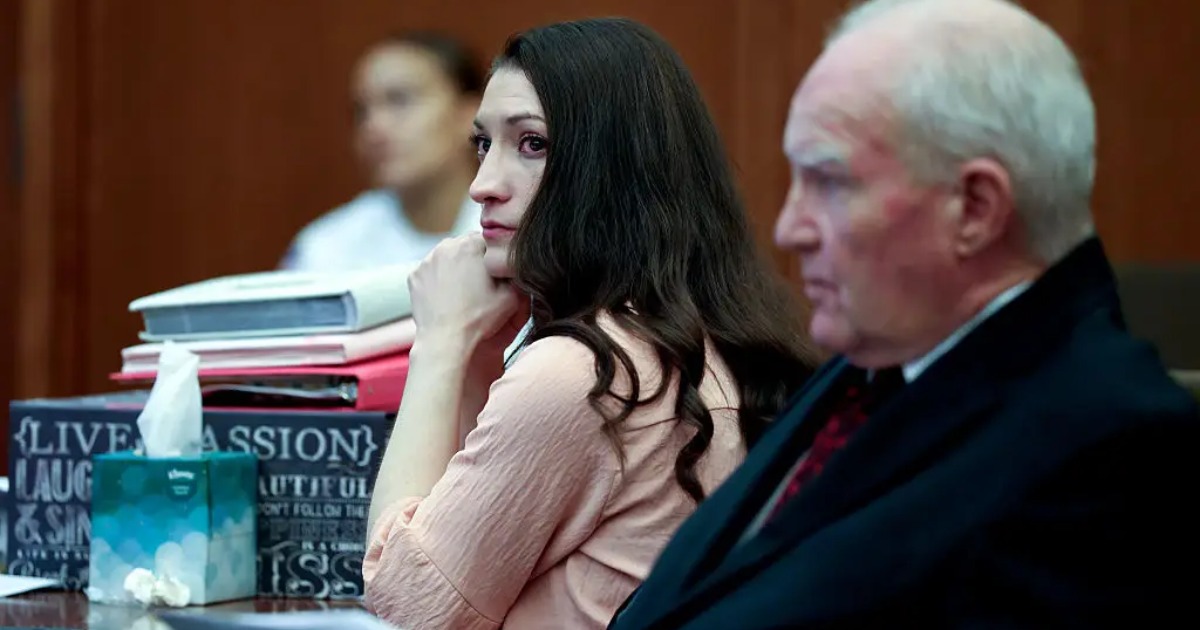

The jury deliberating in the trial of Massachusetts mother Lindsay Clancy remains deadlocked after roughly three full days of deliberation. Judge William Sullivan has sent jurors back to continue deliberating, citing the length and complexity of the trial, which included more than 80 witnesses and over 300 exhibits.
The case against Clancy
Clancy, 36, a former labour and delivery nurse, has admitted to strangling her three young children, five-year-old Cora, three-year-old Dawson, and eight-month-old Callan, at their family home in January 2023. Her defence argues she was experiencing postpartum psychosis at the time and wasn't criminally responsible for her actions, while prosecutors maintain the killings were premeditated. The 12-person jury has five possible verdicts to choose from: not guilty, not guilty by reason of insanity, first-degree murder, second-degree murder, or manslaughter.
What the double jeopardy clause actually means
Jury consultant Victoria Brophey George has pointed to the possibility of a "double jeopardy" issue if the jury remains unable to reach a verdict. The double jeopardy clause comes from the Fifth Amendment of the US Constitution, which protects individuals from being tried twice for the same offence once jeopardy has attached. Legal reference source Practical Law describes it as a defence a defendant can raise if prosecutors attempt to retry them for the same offence following an acquittal, a conviction, or in certain limited circumstances, after a mistrial.
It's worth noting that legal experts are divided on how directly this applies here. A mistrial caused specifically by a genuinely deadlocked jury is traditionally treated differently to other mistrials under US law, and courts have historically allowed retrials in those cases without it counting as double jeopardy, since a hung jury reflects an inability to reach a verdict rather than an acquittal. Whether Clancy's case would trigger the protection in the way described would ultimately depend on how a judge applied the doctrine if a mistrial is declared.
Where things currently stand
For now, no mistrial has been declared, and jurors remain in deliberations following the judge's instruction to continue. The case will only move toward questions of double jeopardy or a potential retrial if deliberations ultimately end without a unanimous verdict.