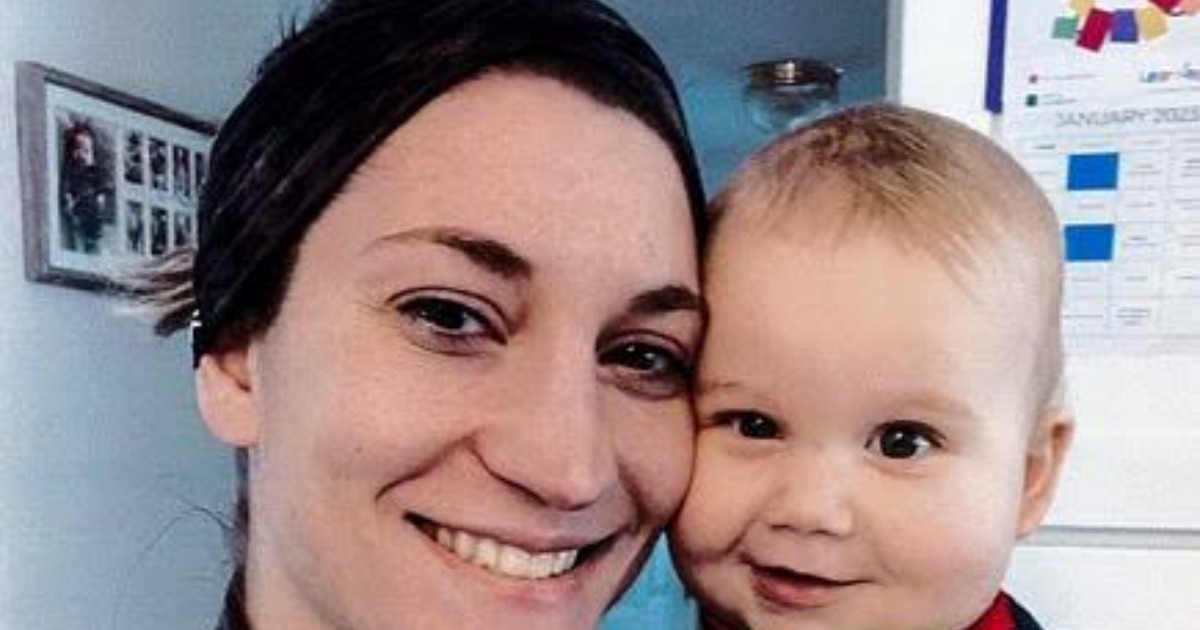

Lindsay Clancy could be positioned to earn a significant amount of money if she chooses to speak publicly about her case, following the mistrial declared in her murder trial.
Background on the case
Clancy, 36, admitted to strangling her three children, five-year-old Cora, three-year-old Dawson, and 18-month-old Callan, with exercise bands in January 2023, before attempting to take her own life by jumping from a second-floor window, an act that left her paralysed and reliant on a wheelchair. She denies the deaths amounted to murder. Her defence argued she was experiencing postpartum psychosis and unable to appreciate the wrongfulness of her actions, while prosecutors argued she understood right from wrong and had shown premeditation by sending her husband, Patrick, out on errands beforehand. A jury of nine women and three men failed to reach a unanimous verdict, leading Judge William Sullivan to declare a mistrial at Plymouth Superior Court.
The legal loophole explained
According to The US Sun, Massachusetts has no specific "Son of Sam" law in place, meaning there is currently nothing legally preventing Clancy from profiting off her story through a book, documentary, or interview deal, should she choose to speak publicly.
Son of Sam laws are statutes designed to prevent convicted criminals from earning money by telling their story through media, books, or films. The concept originated in New York in 1977, named after serial killer David Berkowitz, who was known as the "Son of Sam" and terrorised New York City in the late 1970s. The law was introduced after reports suggested Berkowitz stood to earn substantial sums from selling his story. Under these laws, any profits generated from discussing the crime are typically required to go into a fund used to compensate victims, rather than to the perpetrator directly. Many US states have since adopted similar legislation, though Massachusetts is not among them.
Why this case could attract significant interest
Clancy did not testify during her trial, meaning her account of events, in her own words, has never been made public. Given the intense global interest the case has generated, alongside broader debate over postpartum mental illness and how the justice system handles it, any future first-person account from Clancy could realistically attract significant commercial interest.
What happens next
Following the mistrial, the original murder charges remain pending, with the case due back before Plymouth Superior Court on 29 September. Clancy's attorney, Kevin Reddington, has filed a motion asking the judge to acquit her, arguing that a second trial should be barred on double jeopardy grounds.


