
Nearly one million Americans are receiving $500 payments from the Trump administration after the federal government began distributing refunds connected to the Affordable Care Act.
The payments, which started going out on September 30, 2026, are being sent to approximately 950,000 people across 30 US states.
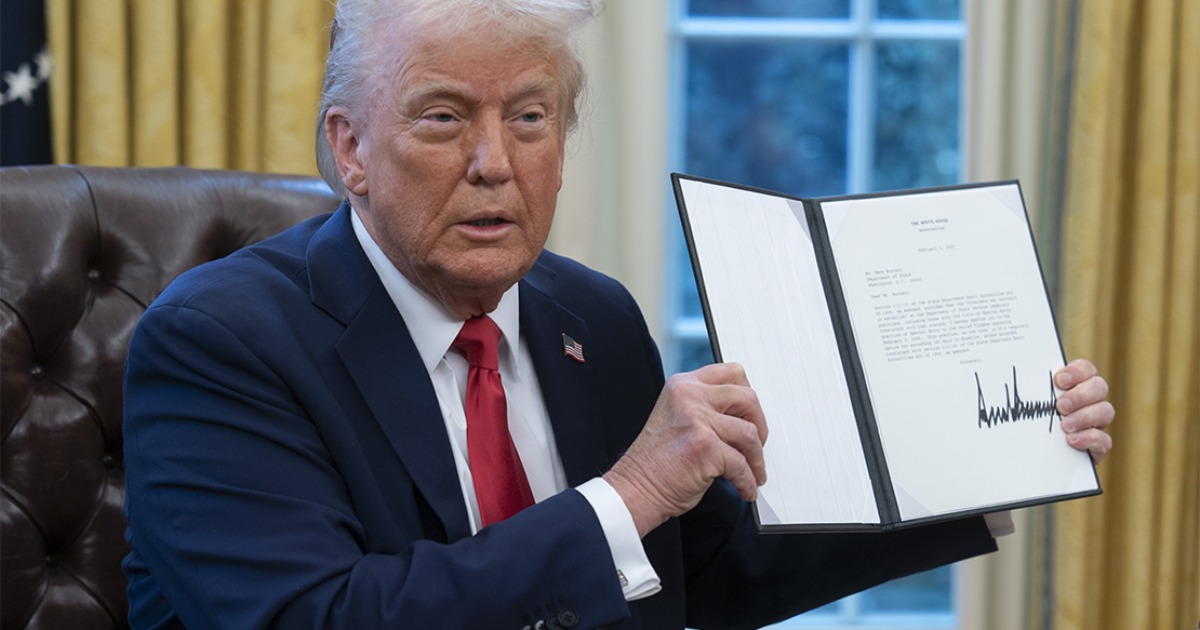
Recipients have also received letters signed by President Donald Trump, explaining why the administration believes they are entitled to the money.
However, the payments are not being distributed to every American, and even some people enrolled in Obamacare will miss out.
With checks already arriving, many households are now wondering whether they qualify and how to find out if they should expect a payment.
How to check if you're eligible for Trump's $500 checks
The $500 payments are primarily intended for Americans who enrolled in Affordable Care Act health insurance through HealthCare.gov in 2026, live in one of 30 qualifying states and did not receive federal premium tax credits to help pay for their coverage.
According to the White House, the refunds are being distributed to people who paid the full cost of their qualifying health insurance premiums.
To assess whether you might qualify, check the following:
People can review their 2026 Marketplace coverage information by signing into their account at HealthCare.gov.
However, meeting these general criteria does not guarantee that an individual has been selected for a payment.
No separate public eligibility checker or application process has been confirmed in the announcements reviewed.
Those who believe they qualify but have not received a payment can contact the HealthCare.gov Marketplace Call Center for guidance about their coverage information.
Which 30 states qualify for the $500 payments?
The payments are limited to qualifying residents of states using the federally administered ACA insurance marketplace.
According to the White House, the 30 participating states are:
Residents of states operating their own ACA insurance exchanges are not included in this particular refund programme.
Texas and Florida are expected to account for particularly large numbers of recipients, followed by Wisconsin, Arizona and Oregon, according to figures reported by ABC News.
Are there income requirements for the $500 checks?
Income can affect eligibility because the programme primarily targets people who did not receive federal assistance with their insurance premiums.
An administration official told ABC News that the main recipients are individuals earning more than 400% of the federal poverty level.
However, some people earning between 100% and 400% of the poverty level may also receive payments if they did not receive premium subsidies.
This means income alone is not sufficient to determine eligibility.
The important consideration is whether the person purchased qualifying Marketplace insurance without receiving federal premium assistance.
When did Trump's $500 payments start arriving?
The administration began sending payments on September 30, 2026, with checks and accompanying letters being distributed during October.
According to CBS News, some households containing more than one eligible person could receive multiple $500 payments.
Payments may be delivered by check or direct deposit, depending on the recipient's circumstances.
However, officials have not confirmed an exact date by which every eligible person should receive their money.
People expecting a payment should monitor their usual banking activity and postal correspondence while remaining cautious about unexpected messages claiming to offer access to refunds.
Why is Trump sending Americans $500?
The White House says the payments are intended to return money collected through fees associated with operating the federal Affordable Care Act insurance marketplace.
These fees are charged to participating insurance companies and can be reflected in the premiums consumers pay.
The administration claims that excessive fees were collected during Joe Biden's presidency, resulting in surplus funds that should be returned to affected consumers.
Trump has described the refunds as an effort to return money to Americans who paid higher insurance costs.
However, healthcare policy experts have challenged the administration's explanation.
Research published by health policy organisation KFF on October 23 found that federal marketplace fee surpluses accumulated across different presidential administrations, including Trump's first term.
KFF also noted that the $500 payments are generally smaller than the premium increases many unsubsidised Marketplace customers have faced.
Consequently, the administration's claim that the refunds are solely the result of Biden-era overcharging remains disputed.
Will everyone with Obamacare receive $500?
No. The overwhelming majority of Affordable Care Act Marketplace customers are not included in the refund programme.
According to KFF, approximately 5% of Marketplace enrollees are expected to receive a payment.
The other 95% are not covered by this particular initiative.
People who received premium tax credits, used a non-qualifying state exchange or previously had ACA coverage but were no longer enrolled in 2026 generally fall outside the announced eligibility criteria.
The payments are also separate from other government refund announcements and proposed financial assistance programmes.
What should you do if you haven't received your $500?
If you believe you meet the eligibility requirements, begin by reviewing your 2026 insurance enrollment and premium tax credit information through HealthCare.gov.
Check that your postal address and contact details are accurate, and review any official correspondence concerning your Marketplace coverage.
You can also seek assistance through the official HealthCare.gov support channels.
There is no confirmed general application form that allows people to request one of these $500 refunds independently.
Be wary of websites or messages claiming that you must pay a fee or provide sensitive banking details to unlock a payment.
For eligible Americans, the refunds are already being distributed, although individual delivery dates remain uncertain.
Sources: White House fact sheet, September 10, 2026; ABC News, October 1, 2026; CBS News, September 30, 2026; KFF, October 23, 2026.