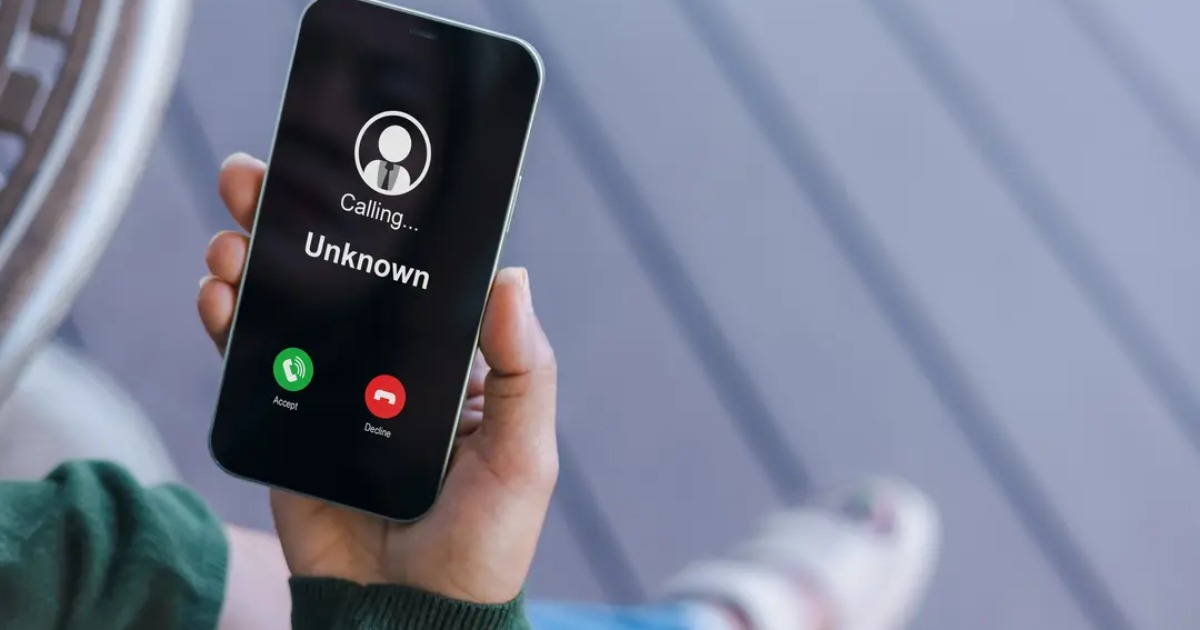

The FBI has warned smartphone users about convincing phone scams that could leave victims facing serious financial losses or having their personal information stolen.
The warning applies to both iPhone and Android users, with criminals increasingly using sophisticated tactics to impersonate trusted organisations and government officials.
Some fraudulent calls can appear to come from legitimate phone numbers, making it difficult to recognise when someone is attempting to deceive you.
Authorities say there are particular warning signs that should prompt people to end a conversation immediately, even if the caller sounds convincing.
What should you listen out for during a phone call?
The FBI advises people to hang up immediately if an unexpected caller claims to represent law enforcement or another government agency and threatens arrest, demands money or pressures them to provide personal information.
One common scam involves someone claiming that the person answering the phone has missed jury duty, failed to attend court or has an outstanding arrest warrant.
The caller may then insist that an immediate payment is required to prevent legal consequences.
Other warning signs include being told to keep the conversation secret, remain on the line or transfer money urgently.
In an official warning, the FBI explained that legitimate law enforcement agencies do not telephone members of the public to demand payment to avoid arrest.
Anyone receiving such a call should end it and independently contact the organisation using a verified telephone number.
Why are these phone scams becoming more convincing?
One technique used by criminals is known as caller ID spoofing.
This allows fraudsters to manipulate the telephone number displayed on someone's screen, potentially making a fraudulent call appear to originate from a legitimate organisation.
For example, a caller may claim to represent a local police department while displaying a number associated with that department.
The FBI has warned that scammers can also use the names of real officials and convincing documents to make their claims appear authentic.
Some criminals have begun using artificial intelligence to imitate voices or create convincing messages.
However, an apparently familiar voice or legitimate-looking caller ID should not be treated as proof of someone's identity.
What happens if you believe the caller?
Fraudsters often attempt to create a sense of urgency, hoping that fear will prevent victims from questioning their claims.
A person might be told that their bank account is compromised, that they face imminent arrest or that an outstanding fine must be settled immediately.
They may then be instructed to transfer money, purchase gift cards, use a cryptocurrency ATM or disclose sensitive financial information.
Once money has been transferred, recovering it can be difficult, particularly when criminals use payment methods that are hard to reverse.
Victims who disclose passwords or account details may also face additional fraud attempts.
The FBI recommends independently verifying suspicious claims instead of following instructions from an unexpected caller.
What has the FBI said about fake police calls?
Federal investigators have issued warnings about criminals impersonating police officers, sheriff's departments and federal agencies.
In some cases, scammers have contacted victims claiming that they failed to appear for jury duty and must pay an immediate fine.
Others have claimed that an arrest warrant has been issued and that payment is the only way to avoid being detained.
These claims are designed to frighten victims into acting quickly.
The FBI has repeatedly emphasised that legitimate law enforcement officials will not demand payment through gift cards, cryptocurrency transfers or similar methods to resolve an alleged warrant.
Anyone concerned that a legal issue might be genuine should contact the relevant court or law enforcement agency directly using independently verified contact details.
Why is the FBI also warning about QR codes?
Phone calls are not the only method criminals use to target smartphone owners.
The FBI has also warned about fraudulent QR codes, sometimes referred to as a form of QR code phishing or "quishing."
These codes may direct users to websites designed to steal login credentials, payment information or other personal details.
In some cases, criminals distribute QR codes through unexpected packages, messages or other unsolicited communications.
Scanning a code does not automatically mean someone has gained complete control of a phone. The danger often arises when users visit a malicious website, enter sensitive information, install software or grant permissions.
Authorities advise people to avoid scanning QR codes from unknown sources and to check website addresses carefully before entering information.
How can iPhone and Android users protect themselves?
There are several practical steps smartphone users can take to reduce their exposure to phone scams.
If someone claims to represent a bank, users should end the call and contact the bank through its official app or a trusted telephone number.
The same principle applies to callers claiming to represent police departments or government agencies.
What should you do if you have already been targeted?
Anyone who believes they have disclosed financial information or transferred money to a scammer should contact their bank or payment provider as soon as possible.
Depending on the circumstances, the provider may be able to help secure the account, investigate the transaction or advise on possible recovery options.
Passwords that may have been compromised should be changed, and affected accounts should be monitored for suspicious activity.
In the United States, suspected internet-enabled fraud can be reported to the FBI's Internet Crime Complaint Center at IC3.gov.
People can also report impersonation scams to local law enforcement.
The central message is straightforward: if an unexpected caller attempts to frighten you into making a payment or disclosing sensitive information, ending the call and independently verifying the claim is the safer response.
Sources: UNILAD Tech; FBI Philadelphia, April 2, 2026; FBI Boston, July 29, 2025; FBI public guidance on government impersonation scams and fraudulent QR codes.