
The Trump administration has entered one of the most divisive surrogacy cases in recent US history, with the Department of Health and Human Services' Office for Civil Rights backing a Texas court order ensuring a baby boy receives life-saving medical treatment after being born prematurely on August 12.
The case centres on McKenna West, an Alaskan nurse and single mother of two who agreed to carry a child for California couple Nausheen Gilkar and Omar Ahmed. At the 20-week scan, the baby was diagnosed with hypoplastic left heart syndrome, a rare condition in which the left side of the heart is severely underdeveloped. While treatable with surgery shortly after birth, children with the condition can face lifelong health issues.
The biological parents requested West terminate the pregnancy, which they were entitled to do under the terms of their surrogacy agreement, which contained a clause allowing termination in the case of a fetal anomaly. West refused and travelled to Texas, a state with some of the strictest abortion laws in the country, where she believed she would receive greater legal protection.
Texas Attorney General Ken Paxton intervened with an emergency court order requiring that life-saving care be provided to the baby upon birth, stating that no person would be allowed to withhold or delay that care. The baby, named Gabriel by West, was born prematurely and is now receiving treatment from a team of paediatric specialists.
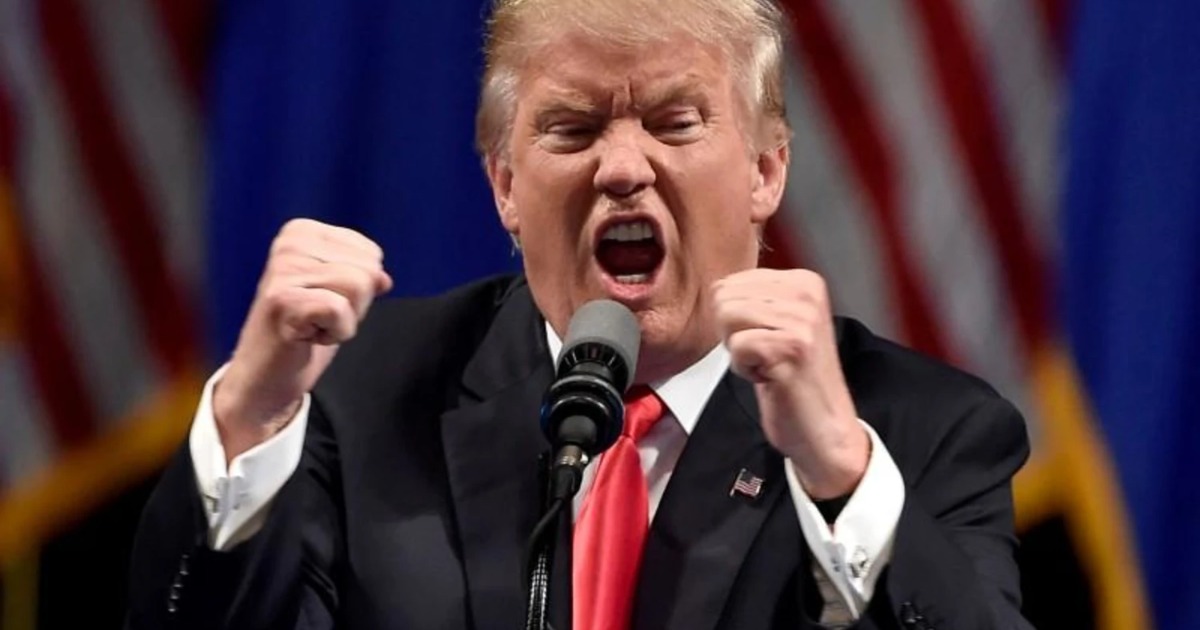
Now the Trump administration has added its weight to the situation. The HHS Office for Civil Rights contacted two Texas hospitals, Children's Medical Center Dallas and UT Southwestern Medical Center, to remind them that withholding medical treatment based on disability is against federal law and that this protection extends to life-sustaining care.
West, however, has been barred from seeing or holding the baby under a separate court order obtained by the biological parents, which also strips her of any decision-making authority over the infant's medical care and prevents her from representing herself as a parent. A court hearing is scheduled for August 25.
The biological parents' attorney Lee Budner said their sole focus is ensuring their son receives the care he needs and that they can spend time with him, while accusing West and her legal team of transforming the situation into "political theater."
West's attorney Lincoln Wilson has pushed back hard, questioning whether Gilkar and Ahmed have been genetically confirmed as the baby's biological parents, noting that no genetic testing has taken place. He has also described the original surrogacy contract as "offensive to state and federal law" and a "hit man contract," and said West would consider seeking custody if the courts allowed.
The legal battle is expected to intensify ahead of the August 25 hearing, with questions of parental rights, contract law and medical ethics all set to be tested in what has become one of the most politically charged surrogacy cases in recent American history.