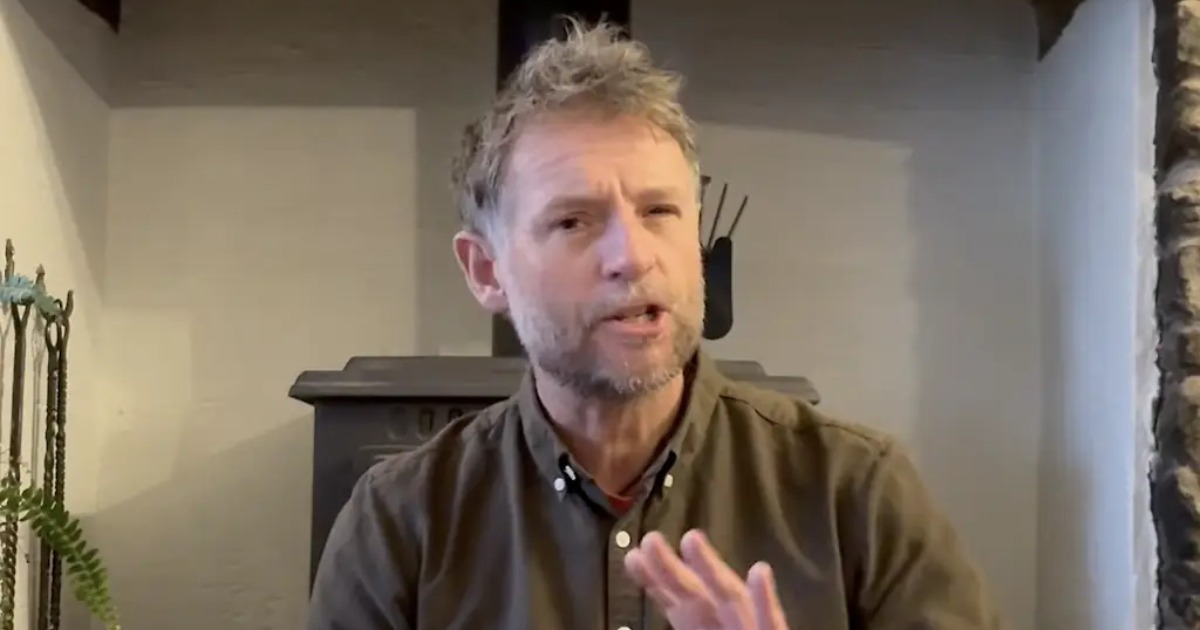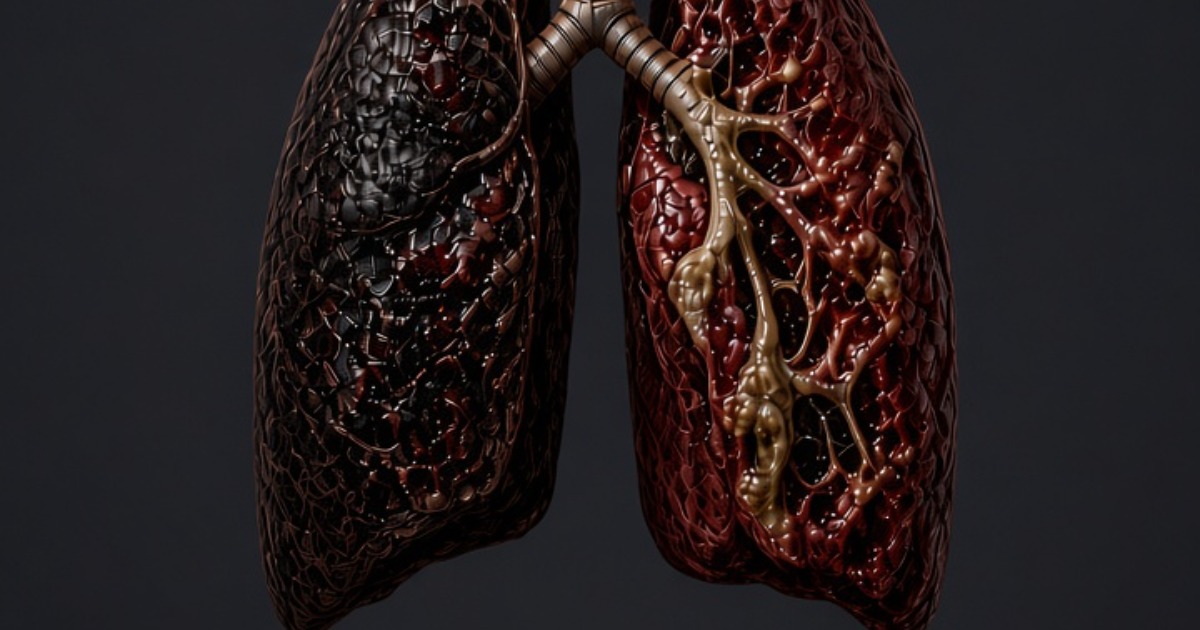

A 3D simulation showing how the body responds when someone suddenly stops vaping has attracted attention online, with viewers sharing their own experiences of giving up e-cigarettes.
The video, produced by YouTube channel W3D, follows a fictional person through the first two weeks after quitting nicotine vaping without gradually reducing their intake.
It depicts several possible withdrawal symptoms before highlighting changes that may occur as the body adjusts to life without nicotine.
Although the animation presents a dramatic timeline, the experience is not identical for everyone, and some of its claims should be understood as simplified illustrations rather than established medical milestones.
What happens during the first 24 hours after quitting vaping?
According to the W3D simulation, the first day without nicotine can be particularly uncomfortable for someone who has developed a dependence on vaping.
The animation depicts the brain struggling to adjust to the sudden absence of nicotine, which influences reward pathways and dopamine signalling.
As nicotine levels fall, some people experience irritability, anxiety, restlessness and strong urges to vape.
Others may find it difficult to concentrate or notice changes in their mood.
Nicotine withdrawal can begin within hours of the last use, although the timing and intensity depend on factors including how frequently someone vaped and the amount of nicotine they typically consumed.
The simulation describes this initial period dramatically, but withdrawal does not mean the brain has stopped producing dopamine.
Instead, the brain is adapting to functioning without the repeated nicotine exposure it had become accustomed to.
What happens around day three?
The animation suggests that symptoms can become particularly noticeable around the third day.
For many people quitting nicotine, withdrawal symptoms peak during the first few days.
Headaches, sleep disturbances, irritability and difficulty concentrating are among the recognised effects of nicotine withdrawal.
Some people may also experience changes in appetite or feel unusually tired.
W3D's simulation depicts chest discomfort and coughing during this stage, suggesting that the lungs are beginning to recover.
However, there is no universal three-day lung-cleansing process that occurs in everyone who stops vaping.
Respiratory symptoms can have several causes, and the timeline for recovery after vaping is less clearly established than the recovery timeline after stopping cigarette smoking.
Persistent chest tightness, significant breathing difficulties or chest pain should not automatically be dismissed as normal withdrawal symptoms. Medical advice is important if these occur.
Why can cravings become so difficult?
One of the biggest challenges after quitting nicotine vaping is dealing with cravings.
Nicotine acts on receptors in the brain involved in reward and reinforcement, helping explain why repeated use can become addictive.
Over time, vaping can also become connected to everyday routines.
Someone might habitually reach for their device after eating, while driving, during a break or when feeling stressed.
When they stop, those situations can continue triggering the urge to vape even after nicotine has largely left the body.
Cravings commonly come in waves rather than remaining equally intense throughout the day.
Although they can feel overwhelming, individual cravings often pass after a relatively short period.
Recognising familiar triggers and planning alternative responses can make them easier to manage.
What changes after two weeks without vaping?
By the second week, the W3D simulation suggests that some of the most uncomfortable early withdrawal effects may begin to ease.
For many people, this is consistent with the general pattern of nicotine withdrawal.
Symptoms often become less intense after the first week, although some can continue for several weeks or longer.
The animation also suggests that taste may improve and that the heartbeat may become steadier.
Nicotine can temporarily increase heart rate and blood pressure, so stopping nicotine exposure removes those repeated stimulant effects.
However, the exact cardiovascular changes depend on the individual, and there is no guaranteed two-week point at which everyone's heartbeat changes in a particular way.
Similarly, improvements in taste are well documented after stopping tobacco smoking, but the evidence for an identical timetable after exclusive vaping is more limited.
Some former vapers may notice improvements in their senses or general wellbeing, while others experience less obvious changes.
How long does nicotine withdrawal actually last?
According to the US National Cancer Institute, nicotine withdrawal symptoms are generally strongest during the first week after quitting, often peaking within the first three days.
For many people, symptoms gradually decrease over the first month.
However, cravings and certain psychological effects can persist beyond that period, particularly when someone encounters familiar situations associated with nicotine use.
The severity of withdrawal also varies considerably.
Someone who uses a high-strength nicotine vape frequently throughout the day may experience a different adjustment period from someone who vapes occasionally.
People who use nicotine-free vaping products would not experience nicotine withdrawal from those products, although behavioural habits may still be difficult to break.
What did viewers say about the simulation?
The video prompted a range of reactions from people who had previously quit vaping and those considering giving it up.
One viewer explained that their motivation came from improving their fitness and performance in Muay Thai.
Another said they stopped after seeing their young child imitate the habit, describing the moment as the motivation they needed to quit.
Some viewers reported finding the process easier than they had anticipated.
Others admitted that watching a video about vaping had unexpectedly triggered a craving.
These contrasting reactions illustrate how differently people can experience nicotine dependence and attempts to stop.
Personal experiences shared in online comments, however, should not be treated as evidence that everyone will have the same symptoms or recovery timeline.
Is vaping safer than smoking cigarettes?
Vaping is generally considered less harmful than smoking combustible tobacco, particularly for adults who switch completely from cigarettes to regulated nicotine vaping products.
Unlike cigarettes, e-cigarettes do not burn tobacco, meaning users are typically exposed to fewer of the toxic chemicals generated by combustion.
However, vaping is not risk-free.
Nicotine is addictive, and e-cigarette aerosol can contain substances that irritate the respiratory system or present other health concerns.
The long-term effects of vaping are also still being studied.
People who do not smoke are generally advised not to start vaping, while those who already smoke should avoid returning to cigarettes when attempting to stop nicotine use.
What is the best way to quit vaping?
Stopping suddenly works for some people, but it is not the only approach.
Others may benefit from gradually reducing nicotine intake, behavioural support or nicotine replacement products such as patches, gum and lozenges.
Evidence for the most effective vaping-specific quitting strategies is still developing, so professional advice can be particularly helpful for people who have struggled with previous attempts.
In the UK, a pharmacist, GP or local stop-smoking service can provide guidance on managing nicotine dependence.
In the United States, people can access support through Smokefree.gov and other established tobacco cessation services.
Choosing a quit date, identifying triggers and preparing for cravings can also help people manage the transition.
What does the simulation really show?
W3D's animation offers a visual interpretation of the early stages of quitting nicotine vaping, including withdrawal symptoms and potential improvements over time.
Its central message is that the first few days can be challenging, but symptoms often become more manageable as the body adjusts.
However, the video should not be interpreted as a precise medical forecast for every person who quits.
Some people experience significant withdrawal symptoms, while others have relatively mild symptoms or none that they find particularly troublesome.
What matters is that nicotine withdrawal is usually temporary, and support is available for those who need help stopping.
For people who vape but do not smoke cigarettes, quitting can remove ongoing nicotine exposure and the potential risks associated with vaping.
Sources: UNILAD, October 17, 2026; W3D YouTube simulation; US National Cancer Institute guidance on nicotine withdrawal; NHS information on vaping and quitting nicotine.