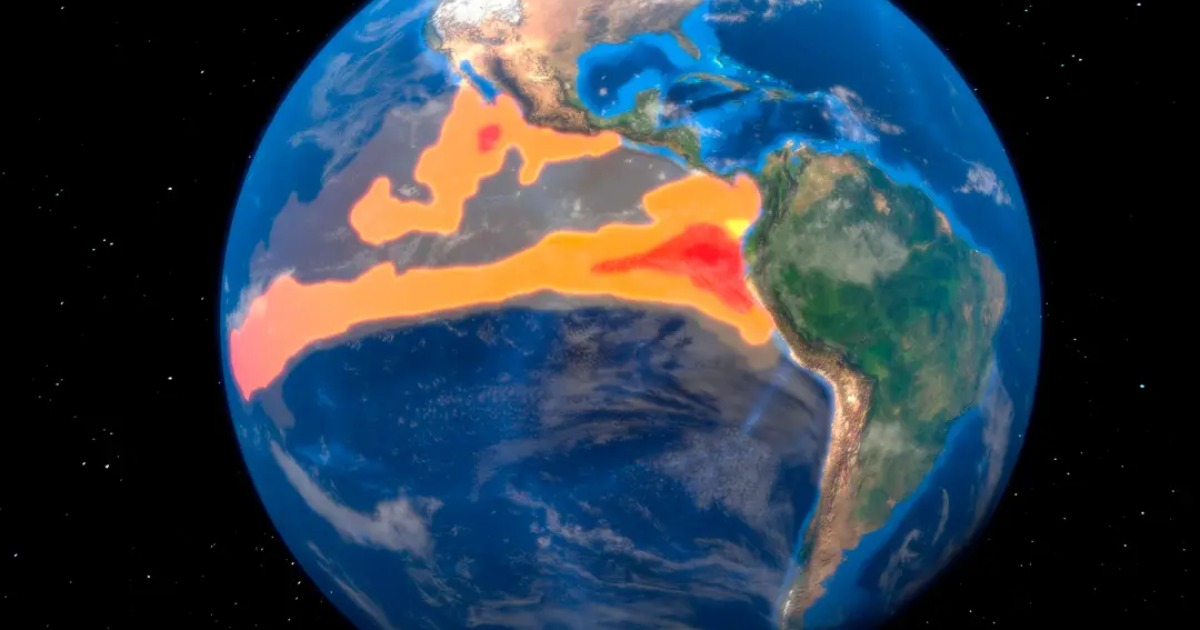

California Governor Gavin Newsom has declared a state of emergency ahead of what forecasters describe as a potentially historic El Niño season, with concerns growing over possible disruption to food supply chains as severe weather looms.
What the declaration means
Newsom's office confirmed the emergency proclamation mobilises state resources and streamlines preparation efforts, directing agencies to protect vulnerable communities, prepare roads and infrastructure, stage emergency supplies, and help reduce flood, landslide, and coastal risks. Newsom said: "California is strongest when we look out for one another. That is what this action is about. Giving communities the support they need, giving first responders the tools to do their jobs, and giving families the confidence that their state is ready. We are preparing for this El Niño early because every Californian deserves to be safe in their home, connected to their community, and protected when severe weather comes."
What El Niño actually is
El Niño is a naturally occurring climate pattern in which sea surface temperatures across the tropical Pacific Ocean rise well above average, altering weather patterns globally. This year's event is already breaking records and is forecast to potentially become the strongest since records began in 1950, with impacts including powerful tornadoes, larger ocean waves, higher sea levels, and possible disruption to food supply chains. Supply chain strategy expert Professor Richard Wilding told the BBC: "Things that were in supermarkets and seen as relatively abundant may all of a sudden be in shortage."
What to stock up on
Dr Sammie Gill, a senior nutrition scientist from the British Nutrition Foundation, recommends prioritising complex carbohydrates such as wheat biscuits, wholegrain cereals, crackers, oats, rice, and pasta. For long-lasting protein, experts suggest stocking canned chickpeas, lentils, kidney beans, unsalted nuts, peanut butter, and canned oily fish like tuna, mackerel, and sardines.
Consultant dietitian Rebecca McManamon also recommends tinned fruit as a pantry essential, noting the juice can provide added fluids, vitamins, and fibre. Both experts advise keeping long-life milk from the non-refrigerated aisle for a reliable source of protein, calcium, and liquid should clean water supplies be affected. Pickled vegetables and pickled eggs are also recommended as good long-term options for maintaining dietary variety during extended disruption.
Dietitians recommend aiming for 1,500 to 2,500ml of fluid daily, noting that fluid-rich tinned foods can help meet hydration needs if bottled water becomes scarce. Experts advise against relying on instant noodles, tinned soups, and processed meats due to their high salt and saturated fat content.