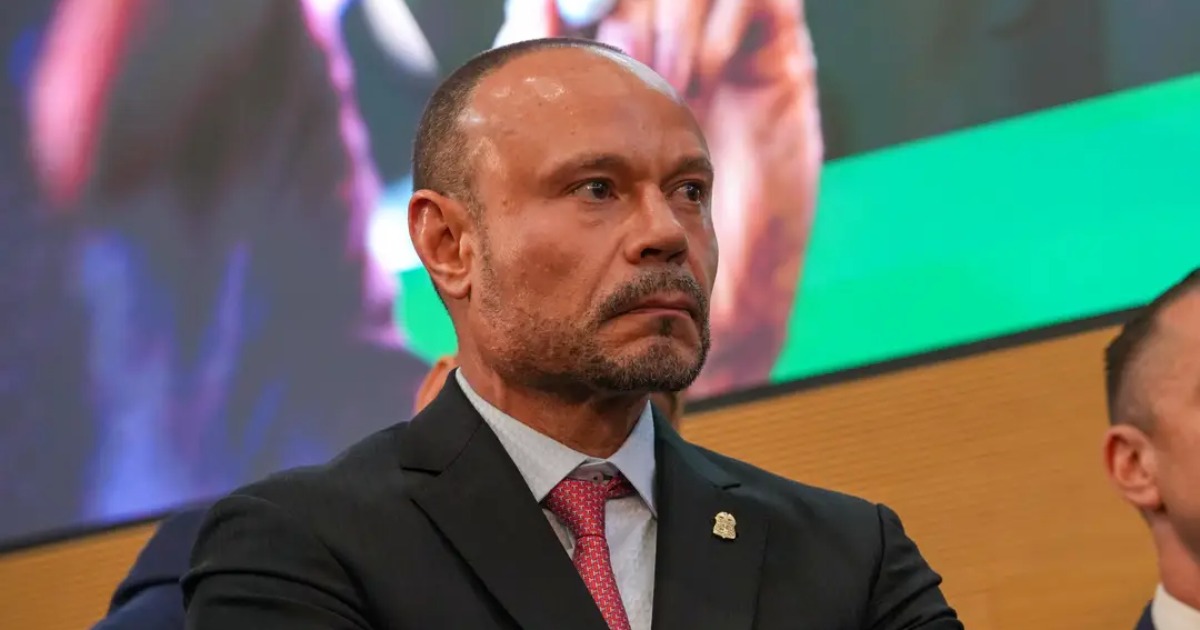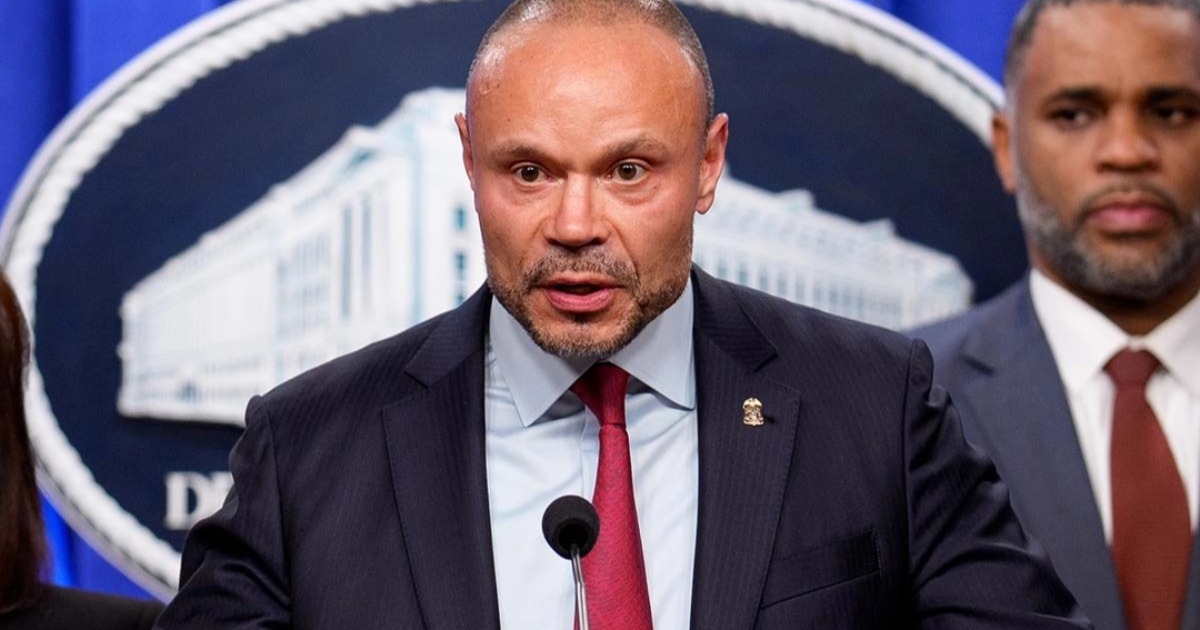

Former FBI Deputy Director Dan Bongino has urged American families to take emergency preparedness seriously as governments around the world strengthen their plans for potential national crises.
The 51-year-old delivered his warning during an episode of The Dan Bongino Show, encouraging people to think about how they would cope if essential services were suddenly disrupted.
His remarks followed reports of a Pentagon initiative designed to ensure American military facilities could continue operating even if the civilian infrastructure supporting them became unavailable.
With several European governments also encouraging households to prepare for emergencies, Bongino argued that ordinary Americans should not wait until a crisis occurs before making plans.
What did Dan Bongino tell Americans to stockpile?
Bongino urged households to prepare emergency supplies including food, batteries, an emergency radio and equipment for collecting and purifying water.
Speaking on his podcast on Monday, October 26, he recommended keeping emergency food and supplies that could help families manage during a disruption to electricity, water or other essential services.
He also encouraged people to obtain water filtration equipment and purification tablets.
His central message was that families should take responsibility for their own basic preparedness rather than assuming normal services would always remain available.
In one particularly direct appeal, Bongino said: "Get your stuff today. Please. Do it for your family."
He encouraged Americans to follow the example of households in countries where governments have been promoting emergency planning.
However, his remarks did not establish that a specific attack or nationwide emergency was imminent.
What did the former FBI official say about protecting families?
Bongino linked household preparedness to the Pentagon's efforts to make military facilities more resilient.
He argued that while the military was working to protect national security, individual families should also consider how to make their homes more self-sufficient during emergencies.
Referring to the Pentagon's preparedness initiative, he said Americans should think about creating their own household equivalent.
He also warned against relying on neighbours to provide essential supplies if a widespread disruption affected an entire community.
Bongino stressed that panic could make dangerous situations worse and that advance planning was a more useful response.
His advice focused on practical preparation rather than predicting when or whether a particular crisis would occur.
What is the Pentagon's FORTRESS plan?
Bongino's comments followed reporting about FORTRESS, a Pentagon initiative intended to strengthen the resilience of American military operations.
According to UNILAD, the plan aims to help US forces remain operational and military installations maintain essential supplies for at least 90 days, even during major disruptions to civilian infrastructure.
Proposals described in the reporting include portable nuclear reactors, large battery systems and independent local power grids.
These technologies could allow military bases to continue functioning during prolonged electricity outages.
The initiative also involves strengthening supply chains and maintaining access to fuel, ammunition, medical equipment and strategically important materials.
Pentagon chief spokesperson Sean Parnell explained that the Department of Defense wanted to reduce its dependence on ordinary municipal infrastructure for critical national defence functions.
The initiative concerns military resilience and should not be interpreted as confirmation that the Pentagon expects a specific conflict to begin.
What does FEMA recommend keeping at home?
Alongside Bongino's personal recommendations, the US government provides established emergency preparedness advice through the Federal Emergency Management Agency (FEMA) and Ready.gov.
Households are encouraged to maintain supplies that can support them for at least three days during an emergency.
Recommended items include:
For situations where people may need to remain at home for longer, guidance also encourages considering additional supplies where practical.
The purpose is to help households manage temporary disruptions, not to encourage panic-buying or excessive stockpiling.
Why are other countries issuing similar warnings?
The renewed attention to emergency preparedness is not limited to the United States.
Governments in Britain and several other European countries have also encouraged residents to maintain essential supplies and make plans for unexpected disruptions.
The UK's updated guidance recommends that households consider how they would cope if essential services were unavailable for several days.
Possible emergencies include severe storms, flooding, prolonged power failures and cyberattacks affecting critical infrastructure.
Countries including Sweden, Germany, the Netherlands, France and Ireland have also promoted various forms of civil preparedness.
In Japan, officials have encouraged households to prepare for natural disasters such as major earthquakes and volcanic eruptions.
Although these countries face different risks, the common principle is that families may need to manage independently for a short period before normal services are restored.
Does the warning mean America is preparing for war?
Bongino's comments came amid wider concerns about international security and the resilience of essential infrastructure.
However, neither his podcast remarks nor the existence of military preparedness plans establishes that war is imminent.
Governments routinely prepare for a range of emergencies, including natural disasters, cyber incidents, infrastructure failures and military threats.
Military contingency planning is designed to ensure essential operations can continue under difficult circumstances.
Household preparedness guidance serves a different but related purpose: helping ordinary people remain safe and supplied when services are temporarily unavailable.
For families, the immediate message is to make sensible preparations without assuming that a national emergency is inevitable.
What should Americans do now?
Emergency planning does not necessarily require expensive equipment or major changes to everyday life.
Families can begin by checking which essential supplies they already have, identifying anything missing and developing a simple plan for contacting one another during an emergency.
People who rely on prescription medication or medical equipment may need additional arrangements tailored to their circumstances.
Keeping emergency supplies accessible and checking them periodically can also help ensure they remain useful.
Bongino's warning reflects a broader emphasis on preparedness, but the practical advice applies to emergencies far beyond military conflict.
Whether the disruption comes from extreme weather, a power outage or another unexpected event, having a basic household plan can make the situation easier to manage.
Sources: UNILAD, October 27, 2026; The Dan Bongino Show, October 26, 2026; FEMA and Ready.gov emergency preparedness guidance, as described in the reporting.