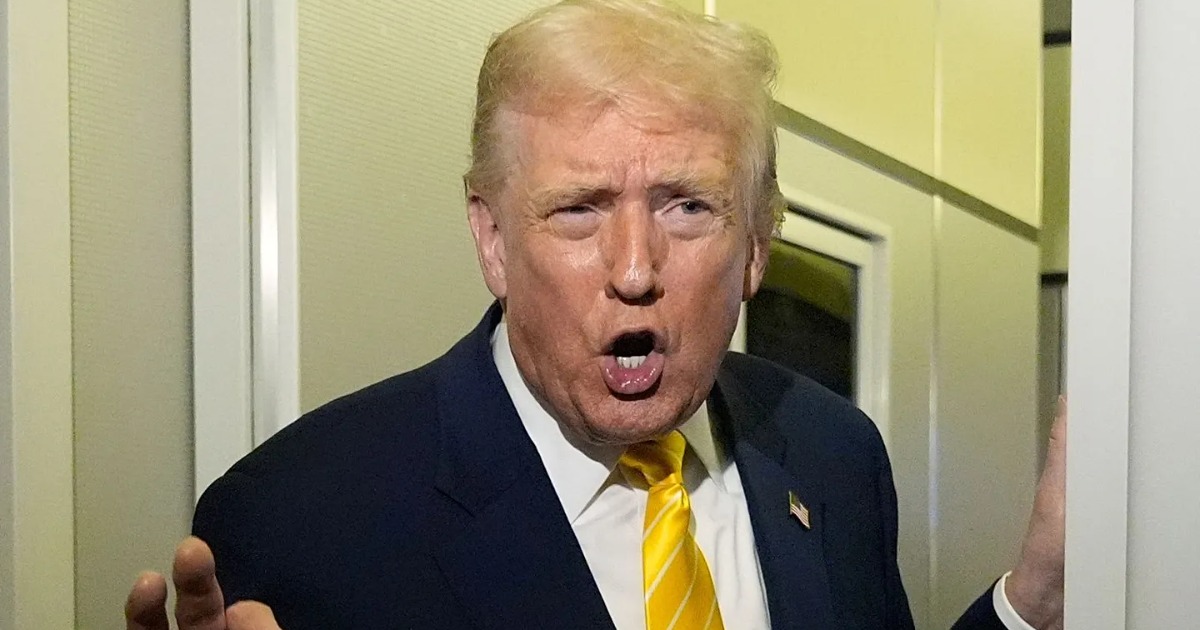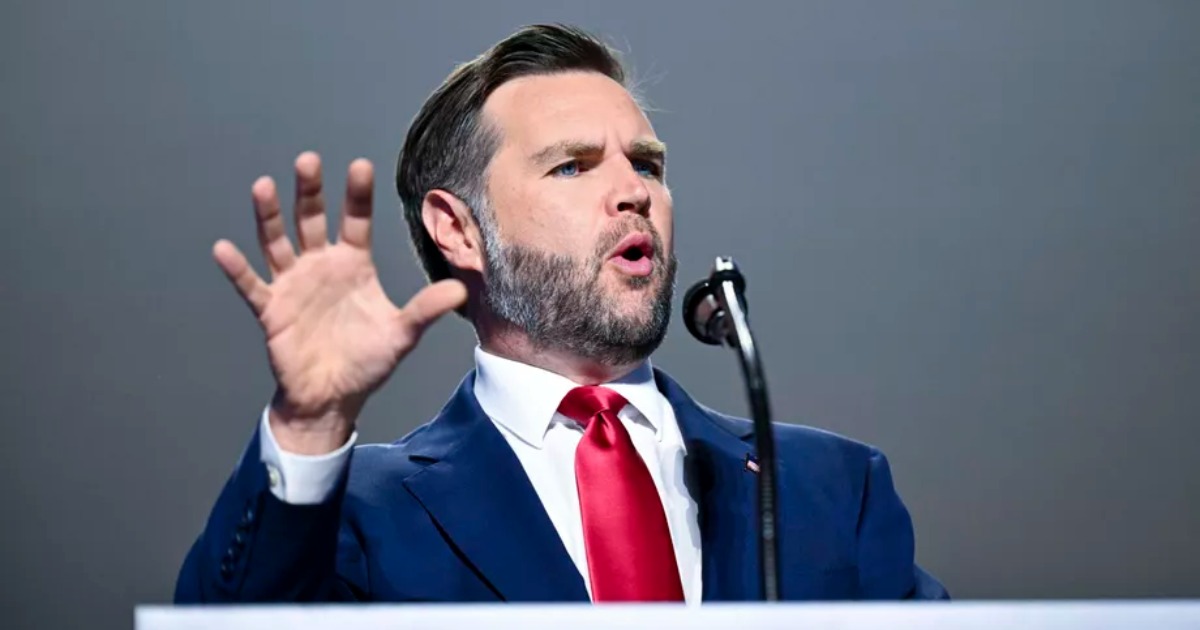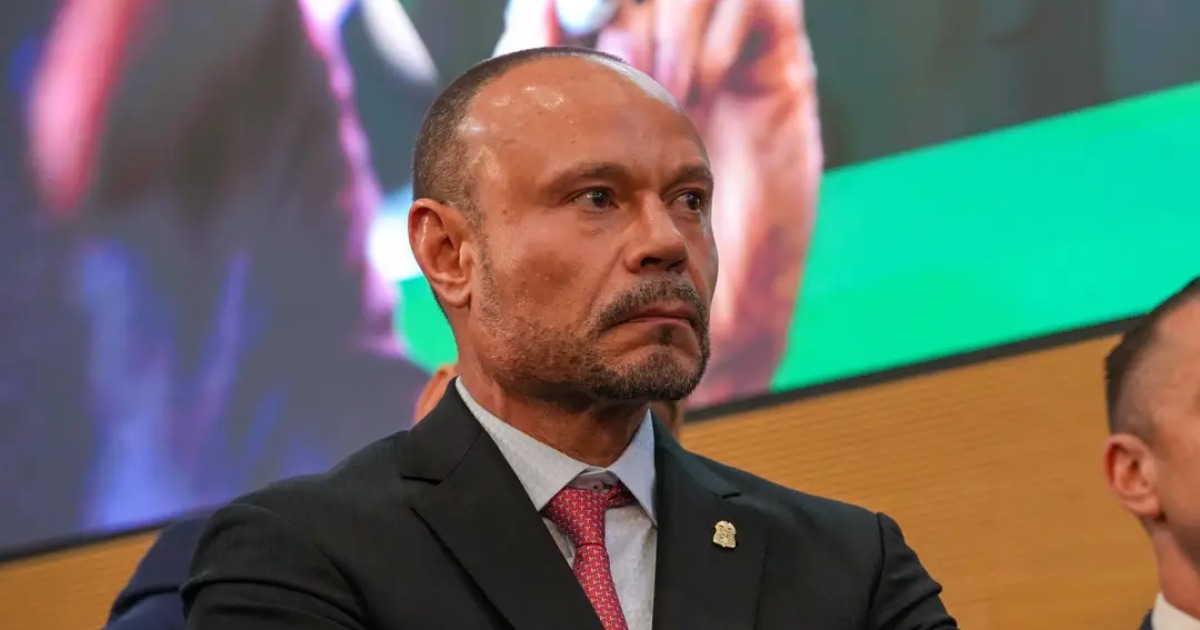

National security and emergency management experts have responded to a warning from former FBI Deputy Director Dan Bongino after his comments about household preparedness prompted widespread concern.
Bongino recently urged Americans to consider how they would cope during a prolonged emergency, drawing attention to preparedness initiatives in the United States and United Kingdom.
His comments attracted considerable attention online, with some listeners questioning whether his former position at the FBI meant he was aware of an undisclosed threat.
The reaction was significant enough that Bongino returned to the subject in a later broadcast, addressing the concerns raised by his original remarks.
Now, two experts have examined his warning, including the government programmes he referenced and whether Americans should interpret his message as a sign of something approaching.
What did experts say about Dan Bongino's warning?
Experts said emergency preparedness is sensible, but there is no publicly identified, specific imminent threat that would require Americans to urgently stockpile 30 days of supplies.
Matthew Williams, a former intelligence community professional who now teaches at Tulane University, told The National News Desk that there was no official indication of an immediate cyberattack, military attack or other specific emergency requiring such extensive preparations.
He acknowledged that Bongino was correct to highlight the importance of government preparedness programmes, but suggested that the former FBI official had confused some of the timelines involved.
Angela Clendenin, an emergency management and risk communication specialist at Texas A&M University, also addressed the warning.
She explained that public figures must be particularly careful about how they communicate preparedness advice because the distinction between encouraging sensible precautions and generating public anxiety can be extremely narrow.
Clendenin noted that someone with Bongino's professional background and national audience carries particular influence when discussing potential emergencies.
Both experts supported practical household preparation while stressing the importance of clear, proportionate communication.
What did Dan Bongino originally warn Americans about?
Speaking on The Dan Bongino Show, the former FBI deputy director encouraged Americans to prepare for the possibility of an emergency lasting up to 30 days.
He referenced government preparedness initiatives and suggested households should think seriously about maintaining supplies before an emergency occurs.
Bongino specifically discussed food, power and other essential resources that could become difficult to access during a prolonged disruption.
He also suggested that spending around $1,000 on emergency preparations could provide peace of mind, although the amount required would vary significantly between households.
His message included a warning that neighbours might not be able to share their supplies during a widespread crisis because they would be focused on protecting their own families.
He encouraged Americans to think about making their own homes more resilient rather than assuming assistance would always be immediately available.
Why did his comments cause so much concern?
Bongino's previous role as deputy director of the FBI gave his remarks additional prominence.
Some listeners interpreted the warning as potentially indicating that he had knowledge of a developing national security situation.
His references to military preparations and international government campaigns contributed to that speculation.
However, the original remarks did not identify a particular attack, disaster or date when an emergency was expected to occur.
The public response nevertheless became significant enough that Bongino addressed the reaction during a subsequent broadcast.
What did Bongino say after his warning went viral?
In his follow-up comments, Bongino acknowledged that his earlier message had caused concern among listeners.
He recalled receiving an unexpected Facebook message from someone he had known decades earlier asking whether everyone was going to die.
Bongino responded by telling his audience there was no reason to panic.
He explained that he regularly encourages people to prepare for emergencies, but that this particular message had generated an unusually strong response.
He also acknowledged that he could have framed the original warning more carefully.
Despite that, Bongino maintained his recommendation that Americans consider preparing for an extended disruption.
He clarified that he was not predicting that the world would end or that a disaster would necessarily occur immediately.
What is the Pentagon's FORTRESS programme?
One of the initiatives Bongino referenced was the Pentagon's FORTRESS readiness programme.
FORTRESS stands for Federal Operations for Resilience, Troop Resources, Energy, Supply, and Survivability.
The programme is intended to strengthen the ability of American military installations to continue operating during emergencies.
It includes measures designed to improve energy independence, strengthen infrastructure and reduce vulnerability to supply-chain disruptions.
According to reporting cited by The National News Desk, the programme aims to help US military bases maintain essential operations for up to 90 days without relying entirely on external services.
However, Williams explained that this is a military operational resilience initiative rather than an emergency instruction directed at the civilian population.
The 90-day military planning target should therefore not be interpreted as a government requirement for every American household to maintain three months of supplies.
What does the UK's emergency preparedness campaign recommend?
Bongino also referred to emergency preparedness guidance issued in the United Kingdom.
The UK's Be Ready campaign encourages households to prepare for potential disruptions caused by incidents such as severe weather, power outages or cyberattacks.
However, the campaign recommends maintaining approximately three days of essential emergency supplies, rather than 30 days.
Williams identified this distinction as an important detail that may have become confused during discussions of the different government programmes.
The UK guidance is intended to help households cope with temporary disruptions while emergency services and other organisations respond.
It is not presented as an announcement that a particular national emergency is imminent.
What should American households have ready?
The US government's Ready.gov website recommends maintaining a basic emergency supply kit containing essential items that could be needed during a disaster.
Recommended supplies include:
Households may need additional supplies depending on their circumstances, including medical requirements, young children, pets or local environmental risks.
Although Bongino recommended considering a longer period of preparedness, the standard federal checklist provides a practical starting point for people who have not previously assembled an emergency kit.
Should Americans be concerned about an imminent emergency?
According to the experts interviewed by The National News Desk, there was no publicly identified specific threat requiring Americans to immediately prepare for a month-long emergency.
However, they did not dismiss the value of being prepared.
Clendenin emphasised that sensible preparation can help people respond more effectively when unexpected events occur.
She also highlighted the importance of households considering their wider communities rather than focusing exclusively on their own needs.
Williams similarly distinguished between long-term resilience planning and warnings about immediate danger.
Government agencies routinely prepare for a range of possible scenarios, including natural disasters, infrastructure failures and national security incidents.
Such preparations do not necessarily indicate that officials expect a particular crisis to occur.
What happens next?
Bongino has continued to stand by his broader message that Americans should take emergency preparedness seriously.
His follow-up remarks made clear that he was encouraging practical planning rather than announcing a specific impending catastrophe.
Experts say the central issue is ensuring that preparedness advice is communicated accurately, with clear distinctions between government recommendations and individual opinions.
For Americans concerned about potential emergencies, official guidance from Ready.gov offers a starting point for deciding what supplies and plans may be appropriate for their households.
While the warning has generated widespread discussion, the experts' response suggests that practical preparation and reliable information remain more useful than speculation about an undisclosed threat.
Sources: The National News Desk/WBFF, Cory Smith, October 30, 2026; The Dan Bongino Show; interviews with Angela Clendenin and Matthew Williams; Ready.gov emergency supply guidance; UK Be Ready campaign.