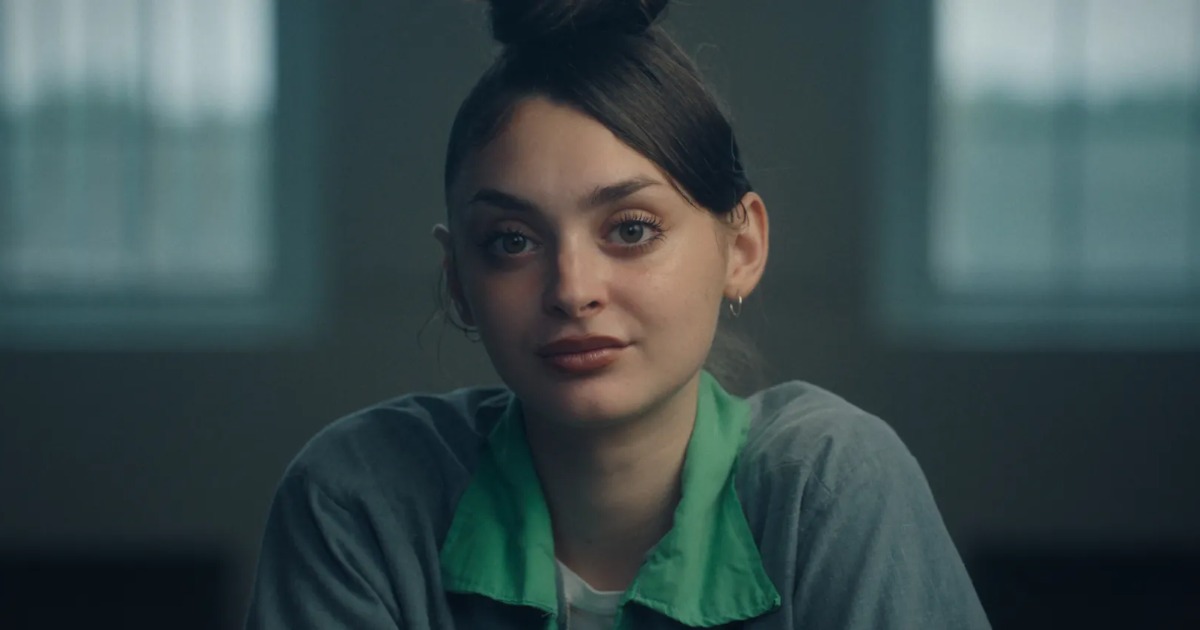

Netflix's true crime documentary The Crash has captivated millions of viewers since its premiere on May 15, reigniting public interest in the case of Mackenzie Shirilla, who is serving two concurrent life sentences for the 2022 murders of her boyfriend Dominic Russo and his friend Davion Flanagan. But while the documentary covers the basics of the case in considerable detail, there are four significant details it chose to leave out.
The first involves GPS data discovered on Shirilla's phone that investigators believe points to premeditation. According to Hulu's Mean Girl Murders, which also covered the case, police found evidence suggesting Shirilla had driven the exact route leading to the scene of the crash just three days before the fatal incident. Investigators believed this was a "dry run" to check road conditions ahead of the crash itself. As one investigator put it: "I believe she knew exactly what she was going to do." Shirilla has continued to maintain she has no memory of the events leading up to the crash.
The second detail omitted from the documentary is arguably the most damaging piece of evidence against Shirilla. After the crash, while speaking to her mother Natalie at the police station, Shirilla switched into a coded language that authorities described as similar to pig Latin. Police later claimed to have decoded the conversation, alleging Shirilla asked her mother whether they could tell police she had suffered a seizure, before asking a detective whether they could simply take her licence away for ten years instead. This audio recording was used as key evidence at her 2023 trial, where she was convicted on all 12 felony counts.
Third, Netflix made no mention of what classmates described as a "malicious list" Shirilla allegedly kept of people she disliked and what she wanted to do to them. In the Hulu documentary, former schoolmates painted a picture of someone who was, in the words of one, simply "the meanest girl in school," describing a toxic, aggressive environment around her. Another former friend reflected that Shirilla "could have been a lot more if she just chose a different route and got the help she needed."
Finally, The Crash acknowledged that the car itself had not malfunctioned but failed to mention that police had also investigated the possibility that someone had deliberately tampered with the vehicle. Given that investigators were aware Shirilla had enemies, they covered all bases, including the idea that a third party may have interfered with the car. No evidence to support that theory was ever found.