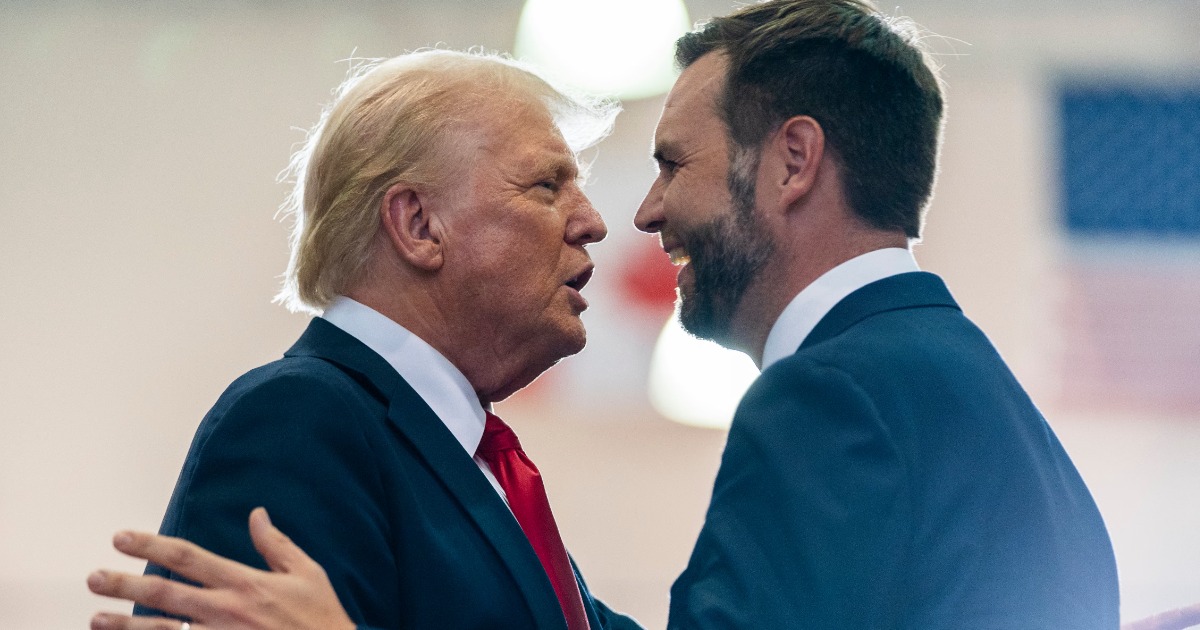
US Vice President JD Vance has delivered a striking assessment of Donald Trump's war with Iran after Republicans suffered major defeats in the 2026 midterm elections.
In a lengthy post shared on X on Wednesday, November 4, Vance questioned the political consequences of the conflict and explained why he believes so many former Republican voters switched their support to Democrats.
His remarks came after Democrats secured control of both the House of Representatives and the Senate, dramatically changing the balance of power in Washington.
While some Republicans have blamed the result on campaign strategy or voter turnout, Vance suggested the party's problems were considerably more serious.
What did JD Vance say about Trump's Iran war?
In his social media statement, Vance directly identified the ongoing conflict with Iran as the principal reason Republicans had lost support.
"The reason we lost is the war. The president himself said so last night," he wrote.
The vice president also challenged those who believed the conflict had been worth its political consequences.
He argued that supporters of the military campaign should acknowledge the electoral cost rather than avoid discussing it.
Vance concluded that Republicans needed to confront the reasons behind their defeat before deciding how to move forward.
His comments represented an unusually direct public assessment of a major policy pursued by the administration in which he serves.
What four reasons did JD Vance give for the Republican defeat?
Vance explained that he had spoken with Republican polling experts before the election who warned that many people who supported Trump in 2024 were considering voting for Democrats.
According to the vice president, one pollster asked these disaffected voters what would persuade them to return to the Republican Party.
He identified four leading responses:
- End the war: Voters wanted an end to the conflict with Iran.
- Focus on the cost of living and inflation: Economic pressures remained a major concern.
- Put America First: Respondents wanted the administration to prioritise its stated domestic and foreign policy agenda.
- Change the US relationship with Israel: Some voters wanted a different approach to American relations with the country.
Vance presented these findings as evidence that the party had lost support among people who had previously formed part of Trump's winning electoral coalition.
However, the polling he described represents his account of research conducted by an unnamed pollster, rather than a complete independent assessment of every factor behind the election results.
Why did Vance say Republican turnout wasn't the problem?
One of the most notable elements of Vance's statement was his argument that Republicans had not simply failed to persuade their supporters to vote.
He said internal analysis suggested Republican turnout had remained relatively strong in several states.
Yet the data also indicated that some voters who backed Trump and Vance in the 2024 presidential election had changed their political allegiance.
Vance said this distinction was crucial because increasing turnout alone would not necessarily address why previously loyal voters had abandoned the party.
His assessment suggested that the administration needed to reconsider the issues driving dissatisfaction rather than relying exclusively on traditional campaign tactics.
How has the Iran war affected American voters?
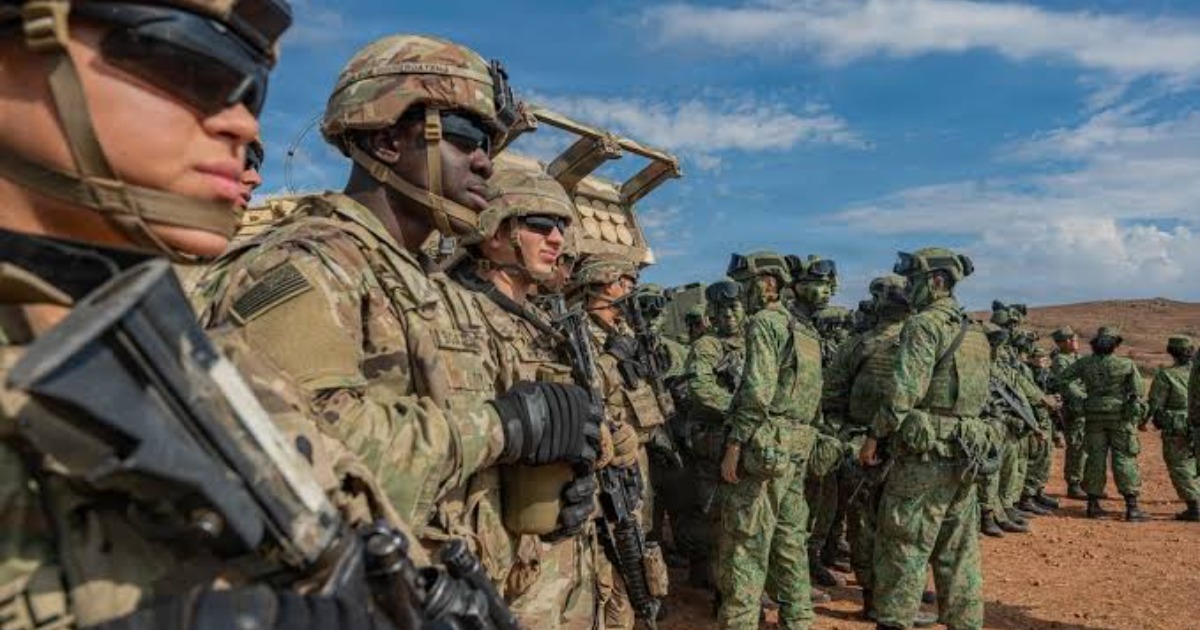
The conflict with Iran, which began in February 2026, has contributed to significant disruption in global energy markets.
Military tensions and interruptions to shipping around the Strait of Hormuz have placed pressure on oil supplies and fuel prices.
Higher energy costs can affect households directly through petrol and heating expenses, while also increasing transport and production costs for businesses.
These pressures have added to wider concerns about inflation and affordability.
However, the economy, government policy and other domestic issues have also influenced voters' decisions, meaning the election outcome cannot be attributed conclusively to one issue alone.
What has Donald Trump said about the election defeat?
Trump has also acknowledged that the Iran conflict contributed to the Republicans' losses, although his assessment has been more qualified than Vance's.
Speaking to The Wall Street Journal, the president described Iran as one factor behind the result while defending his decision to pursue military action.
Trump maintained that he believed the intervention had been justified.
On Wednesday, he was also asked about Vance's remarks and reportedly described the vice president's assessment as largely accurate, while continuing to defend the conflict on national security grounds.
That distinction is important: while Vance identified the war as the central explanation for the defeat, Trump acknowledged its electoral impact without suggesting the decision itself had been a mistake.
What does this mean for Trump's remaining presidency?
Democratic control of both chambers of Congress will significantly affect the administration's ability to advance legislation during the final two years of Trump's term.
Congress has important powers over federal spending, oversight and legislation, although the president retains substantial executive authority.
Democratic lawmakers may use their congressional majorities to scrutinise the administration's foreign policy decisions and challenge its domestic priorities.
Meanwhile, Vance's comments have drawn attention to potential differences within the Republican Party over the direction of American foreign policy.
With the 2028 presidential election approaching, those disagreements could become increasingly prominent as Republicans debate how to regain support.
For now, Vance's message is that the party must examine why some of its 2024 supporters voted differently in 2026, rather than assuming those voters simply failed to turn out.