
A prominent military historian has issued a stark warning about the possibility of a third world war, identifying the country she believes could trigger a devastating international conflict.
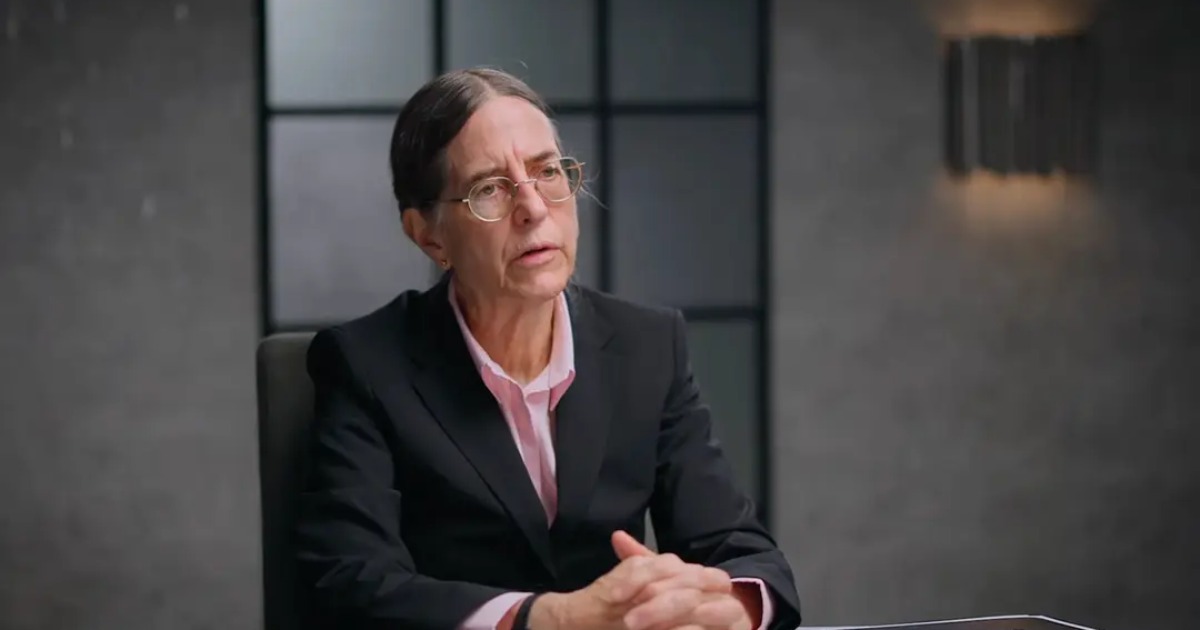
Dr Sarah Paine, a historian and professor known for her research into military strategy and international relations, discussed the growing risks during an appearance on Steven Bartlett's The Diary of a CEO podcast.
With Russia's war in Ukraine continuing and tensions affecting several regions of the world, concerns about the possibility of a wider confrontation have become a recurring subject of international debate.
During the interview, Paine outlined a scenario that could bring multiple major military powers into direct conflict.
She also explained why she believes the actions of certain world leaders should be taken seriously.
Which country does the historian believe could start World War III?
According to Paine, Russia could be responsible for triggering a third world war if its military ambitions eventually extend beyond Ukraine.
During the podcast, Bartlett suggested that a Russian invasion of Poland could be the event that sparks a global conflict.
Paine agreed that this was a possible scenario, pointing to the wider consequences of an attack against a country protected by NATO.
Poland shares borders with Ukraine, Belarus and Russia's Kaliningrad exclave, placing it in a strategically important position in eastern Europe.
Unlike Ukraine, Poland is a member of NATO, meaning an armed attack against it could bring the alliance's collective defence commitments into play.
Such a confrontation could involve several of the world's most powerful militaries, including nuclear-armed states.
However, Paine's comments represent an assessment of a potential future scenario, not evidence that Russia has made a decision to invade Poland.
Why does Sarah Paine believe the world should be worried?
Paine expressed particular concern about Russian President Vladimir Putin and what she believes are his long-term geopolitical ambitions.
She argued that Russia's leadership could pursue objectives extending beyond its existing war in Ukraine.
"I believe that Russia has unlimited objectives, that Putin wants to restore the old Soviet empire," she told Bartlett.
The historian also questioned whether leaders involved in major international conflicts would adequately consider the human cost of further escalation.
She described the potential consequences of nuclear warfare as extraordinarily destructive, explaining that publicly available simulations can illustrate how many people could be killed by a nuclear explosion over a populated city.
"It's obscene," she said, referring to the scale of potential casualties.
Paine then made a strongly critical assessment of Putin's approach to warfare, claiming that he was insufficiently concerned about the number of people killed.
Her remarks reflect her interpretation of Russian leadership and military strategy rather than an independently established account of Putin's intentions.
What could happen if Russia invaded Poland?
One of the most significant concerns surrounding a hypothetical Russian attack on Poland is the country's membership of NATO.
The alliance currently includes the United States, the United Kingdom, France, Germany and numerous other European and North American countries.
Under Article 5 of the North Atlantic Treaty, an armed attack against one member is considered an attack against all members.
That principle forms the foundation of NATO's collective defence arrangements.
If Poland were attacked, other member states would be required to assist, taking whatever action each considered necessary to restore and maintain security.
Importantly, Article 5 does not automatically require every member to declare war or deploy combat forces. The response is determined by individual allies in accordance with the treaty.
Nevertheless, an armed confrontation involving Russia and NATO could create a serious risk of escalation, particularly because several countries involved possess nuclear weapons.
What did the historian say about nuclear war?
During the interview, Paine was asked what a third world war might look like.
She acknowledged that the precise nature of such a conflict would be impossible to predict.
However, she highlighted the potential consequences of nuclear weapons being used against major cities.
Modern nuclear weapons can cause widespread destruction through blast effects, intense heat and radiation, while also damaging essential infrastructure and emergency services.
Depending on the scale and location of an attack, the consequences could extend far beyond the immediate area.
Although Paine raised these possibilities, she did not claim that nuclear war was inevitable or provide a confirmed timeline for any future conflict.
Does Sarah Paine believe World War III is inevitable?
Paine's warning was conditional rather than a declaration that another world war is certain to happen.
She suggested that a wider conflict could become possible if current international tensions continue to develop in a dangerous direction.
Her concern centred on the possibility of military escalation, geopolitical ambitions and decisions made by leaders of powerful countries.
However, there are several important distinctions between discussing a possible route to global conflict and predicting that such an event will definitely occur.
NATO's collective defence arrangements are intended to deter attacks against member states, while diplomatic negotiations and other measures can also influence how crises develop.
There is no established evidence that a third world war is inevitable.
Who is Dr Sarah Paine?
Dr Sarah C. M. Paine is a historian specialising in military history, grand strategy and international relations.
She is known for her work examining how countries use military power, diplomacy and strategic planning to pursue their objectives.
Her research has included major historical conflicts involving Russia, China and other global powers.
Through interviews and public discussions, she has also explored how lessons from previous wars might help explain modern geopolitical tensions.
Her appearance on The Diary of a CEO focused on the risks facing the international order and the decisions that could shape future conflicts.
What does her warning mean for the future?
Paine's comments underline the potentially serious consequences of an armed confrontation between Russia and a NATO member.
While she identified a Russian attack on Poland as one possible trigger for a much wider war, the scenario remains hypothetical.
International relations are influenced by military capabilities, political decisions, diplomatic efforts and developments that cannot be predicted with certainty.
For now, her warning serves as an assessment of the dangers of escalation rather than confirmation that another world war is approaching.