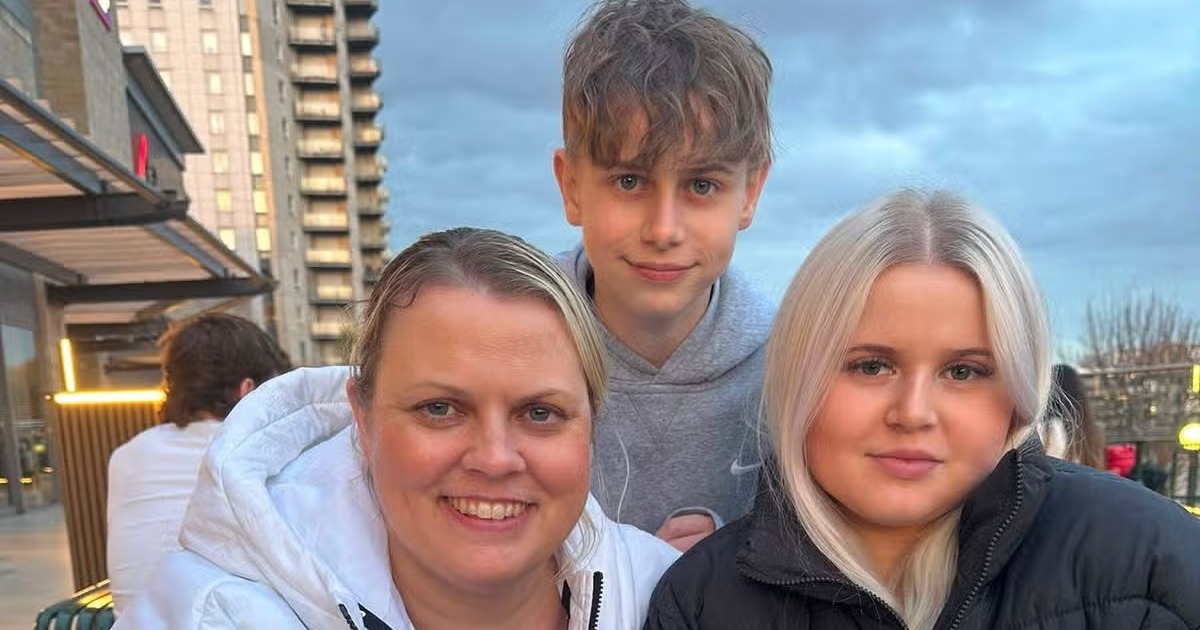

Doctors have issued fresh warnings about the risks of certain popular wellness supplements, after a mum from Cheshire was left with brain damage following liver failure believed to be linked to prolonged use of ashwagandha.
What happened to Lois
Lois Kinder, 44, had been taking gummies containing ashwagandha, an herb often promoted online as a natural remedy for stress and relaxation, since July 2025. She'd come across the supplement on social media and had also been sent samples to sell online. In July, she began experiencing jaundice symptoms, including yellowing skin and eyes, before being found unconscious on her couch by her teenage daughter. She was rushed to hospital, where doctors discovered she had suffered acute liver failure and placed her into an induced coma. She later underwent a successful liver transplant, but suffered three cardiac arrests during the operation due to a blood clot, leaving her with significant brain damage. She woke from her coma in August, but remains in critical care, with her husband Ollie saying doctors have told them she'll likely be disabled in some form and that her long-term recovery remains unknown.
What doctors say about ashwagandha specifically
Dr Lisa Forman, a hepatologist at the University of Colorado, said she has seen numerous cases of liver injury linked to ashwagandha use, despite limited clinical trial data directly confirming the connection. She said: "There have been more than 70 reports in the literature of ashwagandha causing liver injury — anything from a mild injury to a prolonged course of jaundice, or even cases of acute liver failure that require a liver transplant." She noted most severe cases have occurred in people with pre-existing liver conditions, but elevated liver function has also been observed in otherwise healthy people taking the supplement, adding that it remains unclear whether ashwagandha itself, a contaminant within certain products, or another factor is responsible.
The broader wellness trend
Speaking more generally, Dr Xand van Tulleken told New Scientist that "wellness practices are not healthcare," explaining that health is typically about defined, measurable conditions, while wellness focuses on how people feel and their overall sense of optimisation, meaning wellness products aren't required to prove they actually work. He noted that supplements aren't regulated the same way medicines are, meaning claims can be made informally, including by influencers or podcasters, without the same scrutiny applied to healthcare products. He added that healthy people generally don't need vitamin supplements, and that any supplement use should ideally be guided by a doctor rather than online trends, since medical professionals consider different risk factors than companies selling the products do.
Raising awareness
Dr Forman said she isn't opposed to supplements generally, but stressed that all carry some potential risk of liver injury, and urged people to speak to their doctor before starting any new supplement. Ollie has been speaking publicly about his wife's experience to raise awareness, saying: "I want to spread awareness and warn people that even if you think the supplement you are taking is safe, there can still be serious health consequences." A GoFundMe has been set up to support Lois' ongoing care.