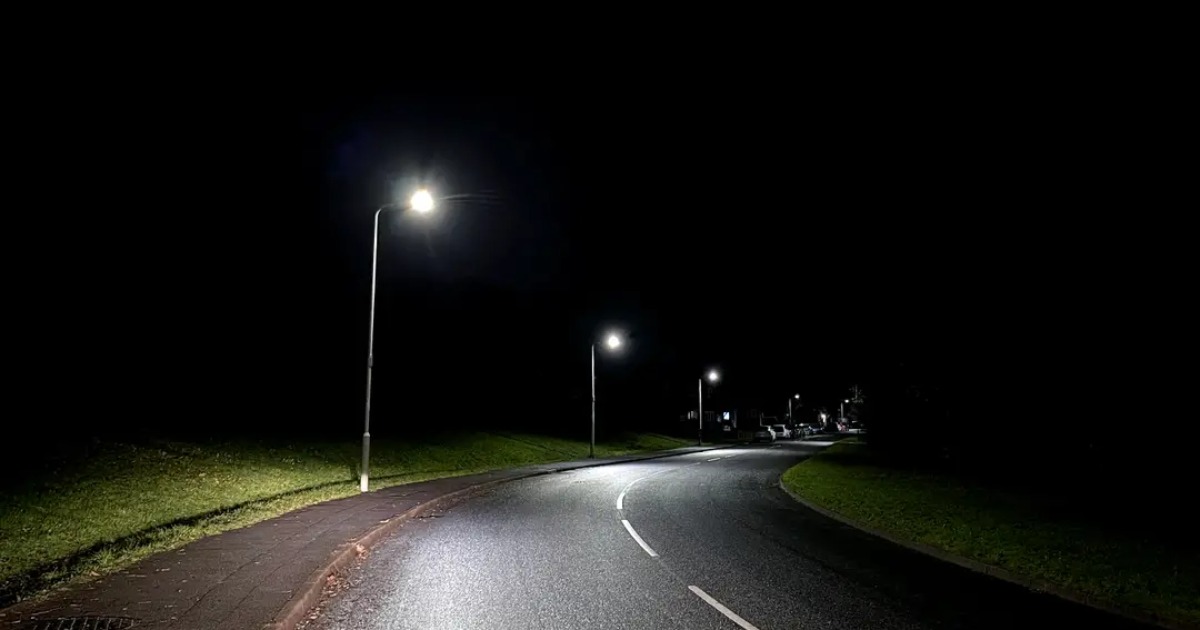
The BBC has revealed details of an extraordinary emergency broadcasting plan designed to keep the British public informed if the UK experiences a catastrophic disruption to its essential infrastructure.
The arrangements, described by BBC correspondent David Sillito, include a dedicated emergency broadcasting operation, backup communications systems and preparations to keep vital information reaching households even if normal services fail.
The revelations come as the UK Government continues encouraging people to prepare for emergencies through its Be Ready campaign, which advises households to consider how they would manage during a prolonged disruption to everyday services.
Although the preparations might sound like something from a disaster movie, officials have not announced an imminent national emergency.
Instead, the plans are intended to help the country respond to an extreme situation should one ever occur.
What is the BBC's emergency plan for a 'black sky event'?
According to BBC media and arts correspondent David Sillito, the broadcaster has made preparations for a special emergency radio operation involving approximately 100 staff members.
The team would be responsible for maintaining broadcasts and delivering essential public information if ordinary communications infrastructure became severely disrupted.
Sillito explained that only a relatively small number of people within the BBC know the full details of the arrangements.
However, the information he obtained revealed several remarkable precautions.
The BBC has prepared an emergency radio studio with secure communications that do not depend on the ordinary internet.
The facility would have access to sufficient fuel, water and food to support operations for at least 72 hours.
During an emergency, the broadcaster would also be able to transmit prearranged government messages, providing instructions and information to members of the public.
These messages are part of wider contingency arrangements intended to ensure that official guidance can continue reaching households during a serious national disruption.
The operation would therefore be focused on maintaining communication at a time when people might be unable to access the usual sources of news and information.
How would the BBC broadcast if the internet stopped working?
One of the most significant features of the BBC's preparations is its ability to operate using systems that do not rely entirely on the internet.
According to Sillito's account, the emergency radio operation would use alternative communications arrangements to maintain contact with other parts of the broadcasting network.
Journalists stationed at emergency centres around the UK could also provide updates using satellite vehicles.
These vehicles would allow information to be transmitted without depending on conventional fixed communications networks.
However, their continued operation would depend on the availability of fuel and functioning equipment.
The BBC's radio transmission infrastructure also has backup arrangements intended to support broadcasting during electricity outages.
Sillito reported that some transmission sites have diesel storage tanks ranging from approximately five litres to 40,000 litres, depending on the installation.
Generators could provide power to essential broadcasting equipment for a limited period, with the preparations designed around maintaining operations for approximately three days.
Actual endurance would depend on the circumstances, fuel supplies and the condition of the equipment.
Radio would be particularly important because it can provide information without requiring households to have a functioning internet connection.
However, listeners would still need access to a working radio and a suitable power source, such as batteries or a wind-up mechanism.
What happens if BBC staff cannot contact each other?
The broadcaster has also considered what could happen if normal communications between its emergency teams become unavailable.
According to the reporting, satellite phones would provide an alternative way for staff to remain in contact.
These devices can communicate through satellite networks rather than relying on ordinary mobile phone infrastructure.
That could make them valuable during a widespread disruption affecting telecommunications networks.
However, satellite communications are not completely immune to technical problems or wider infrastructure failures.
For that reason, the BBC has reportedly developed additional procedures for situations in which even these backup systems cannot be used.
Those arrangements include pre-agreed protocols and designated meeting points.
The intention is to ensure that essential staff can coordinate their activities even if they cannot communicate electronically.
Such arrangements reflect the importance of planning for multiple failures rather than assuming a single backup system will always work.
What exactly is a 'black sky event'?
A black sky event is a term used to describe a severe, widespread and potentially prolonged disruption to electricity supplies and other critical infrastructure.
Unlike a routine local power cut, such an event could affect multiple essential services simultaneously.
A prolonged electricity failure could have consequences for:
Not every black sky scenario would involve all these consequences, and the severity would depend on the cause, geographical extent and duration of the disruption.
Possible causes of major infrastructure failures include severe weather, physical damage, technical faults and cyberattacks.
The existence of emergency plans does not mean authorities have identified a particular incident that is about to happen.
Why is the UK Government telling households to prepare?
The BBC's contingency arrangements have attracted attention alongside the Government's Be Ready preparedness campaign.
The campaign encourages members of the public to think about how they would cope if essential services became temporarily unavailable.
That could include disruptions caused by storms, flooding, electricity outages or other emergencies.
A central part of the guidance is the recommendation that households consider maintaining enough basic supplies to manage for at least three days.
This is intended to help people remain safe and comfortable while emergency services and utility providers respond to a disruption.
Preparedness advice does not mean the Government expects every household to face a catastrophic national emergency.
Many of the same supplies would be useful during far more common incidents, including winter storms or localised power failures.
What emergency supplies should UK households keep at home?
Government preparedness advice encourages households to maintain a practical collection of essential items that could be useful if they temporarily lose access to normal services.
Recommended supplies include:
Households should consider their own circumstances, including the needs of children, older relatives and people who depend on medical equipment.
The aim is to make sensible preparations over time rather than encourage panic-buying or excessive stockpiling.
How much water should people have ready?
Water is one of the most important supplies to consider during an emergency.
UK preparedness guidance recommends having access to at least three litres of drinking water per person per day, with additional water where possible for basic hygiene and food preparation.
For a household of four, that minimum drinking-water allowance would amount to 36 litres over three days.
People may need more depending on their age, health, activity levels and environmental conditions.
Households should also consider the needs of babies, pets and anyone with specific medical requirements.
Water should be stored safely, and any stored supplies should be checked periodically.
What happens to toilets during a prolonged water outage?
One particularly uncomfortable aspect of emergency planning involves what households should do if water and sanitation systems stop functioning.
During some severe infrastructure disruptions, flushing toilets may become impossible or unsafe because water supplies or sewage systems are not operating normally.
Advice reported alongside the Government's preparedness campaign describes temporary sanitation arrangements for situations in which toilets cannot be used.
These can involve using suitable containers and securely sealed waste bags until normal services are restored.
However, the correct approach depends on the nature of the disruption and instructions issued by local authorities.
Households should follow official public health guidance, particularly concerning waste disposal and handwashing.
Maintaining hygiene is important because failures affecting water and sewage infrastructure can increase the risk of infectious illness.
Where clean running water is available, washing hands with soap remains an effective way to reduce the spread of germs.
Why would radio be so important during a national emergency?
Radio broadcasting has long played a role in emergency communication because it can reach large audiences without requiring each listener to have an internet connection.
During a major power outage, smartphones and computers may become less useful as batteries run down and communications networks lose power.
Even if a mobile device remains charged, it may be unable to access the internet or make calls if nearby network infrastructure is unavailable.
A battery-powered or wind-up radio can provide an alternative source of information if broadcasting infrastructure remains operational.
This is one reason the BBC's emergency preparations place such emphasis on maintaining radio transmissions.
Official updates could help people understand the situation, learn about available assistance and receive instructions intended to protect public safety.
It is also why the Government recommends keeping a suitable radio as part of a basic household emergency kit.
Does the BBC's plan mean a black sky event is imminent?
No evidence has been presented that a nationwide black sky event is imminent.
The BBC's contingency arrangements are designed to support emergency broadcasting if an exceptional disruption occurs.
They are not evidence that such an event has been scheduled, predicted or detected.
Similarly, the Government's Be Ready campaign addresses a broad range of potential emergencies rather than warning of one specific impending catastrophe.
Emergency preparedness is a routine part of national resilience planning.
Broadcasters, hospitals, emergency services, utility providers and government departments all need to consider how they would continue functioning during serious disruptions.
The BBC's preparations illustrate the scale of planning that may be required to keep the public informed under unusually difficult circumstances.
What should British households do now?
For most people, the practical message is to make modest preparations without assuming a disaster is about to happen.
Checking existing household supplies, keeping essential contact details accessible and discussing a simple family emergency plan can all be useful starting points.
Households should also consider how they would receive official information if mobile networks or broadband connections became unavailable.
People who rely on electrically powered medical equipment may need a more specific contingency plan developed with their healthcare providers.
For further information, the UK Government provides preparedness advice through its official Prepare campaign website.
The BBC's emergency broadcasting arrangements show how seriously a prolonged infrastructure failure is taken in contingency planning.
But their existence is ultimately about ensuring that, if a major disruption ever does occur, the country has ways to communicate and respond rather than being left entirely in the dark.