
President Trump has given a fresh update on his proposed $5,000 dividend checks for Americans, insisting the payments will go ahead if Republicans maintain control of Congress following November's midterm elections.
What Trump said
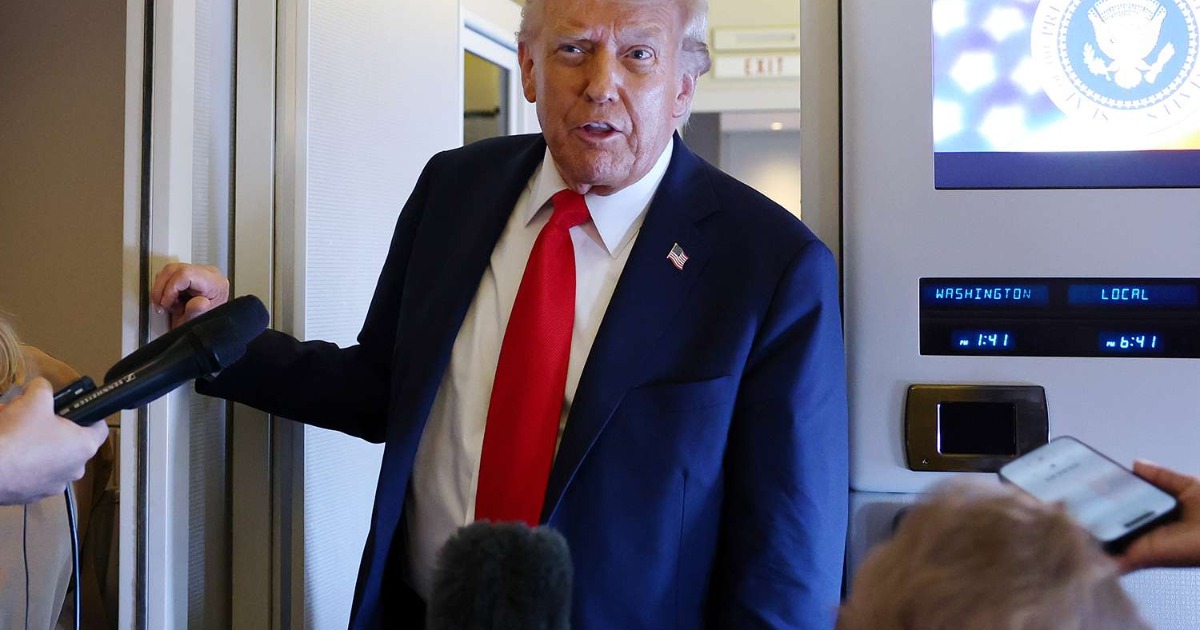
Speaking to reporters outside Air Force One on Sunday, Trump said: "The $5,000 is going to happen 100 percent. And the reason is because our country is taking in trillions and trillions of dollars. And it's going to happen." He compared the proposed payments to the $1,776 checks previously issued to US service members, saying he'd faced similar pushback over that programme at the time.
He confirmed the payments would only be issued while Republicans hold control of Congress, explaining: "I don't want to do it now, because if the Democrats get it, our country will be in shambles and they won't be able to do it. If we get in, we're taking in tremendous amounts of money. We're taking in over $20 trillion in terms of investment. And with the Democrats, all of that money will be thrown out. If the Democrats get in, they won't be able to pay it."
Background on the pledge
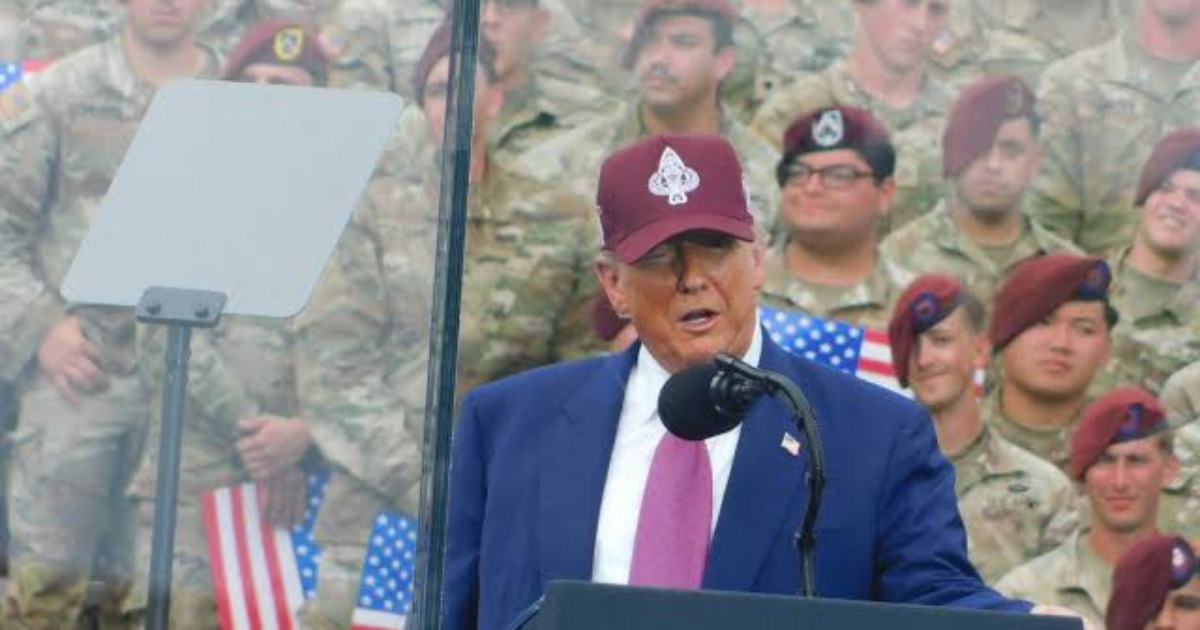
Trump first announced the proposed dividend last Wednesday during the Republican National Committee's midterm convention, saying the payments would be possible due to the strength of the economy, and that funds would need to be spent within the US.
Commerce Secretary Howard Lutnick said the previous Thursday that the payments wouldn't rely on taxpayer money, while National Economic Council Director Kevin Hassett suggested the funds could come through a congressional reconciliation package, since Congress holds sole spending authority.
Comparison to previous payments
The $1,776 checks Trump referenced were a one-time housing supplement sent to around 1.45 million service members last year, funded through Trump's tax and spending legislation known as the One Big Beautiful Bill. Following Trump's latest pledge, Representative Bernie Moreno said he would introduce legislation in Congress aimed at securing the $5,000 payments.
Questions over funding
Paul Berman, a law professor at George Washington University, has said tariff revenue would fall well short of the estimated $1.3 trillion needed to fund the payments, noting that even if revenue were sufficient, Congress alone holds the power to allocate public funds. According to Treasury Department data cited by the Bipartisan Policy Center, Trump's tariffs have generated roughly $341 billion in net revenue since the start of 2025. The Supreme Court has separately struck down a number of the administration's tariffs, ordering $166 billion of collected revenue to be refunded.
Republican divisions over the plan
Not all Republicans support the proposal. Florida Governor Ron DeSantis pointed to the national debt and warned the payments could fuel further inflation. Senator Susan Collins raised concern that the plan, as currently described, lacks an income cap and would be extremely costly.