Nearly five decades before social media made live broadcasting an everyday experience, a young American television reporter became the centre of one of the most tragic events in television history.
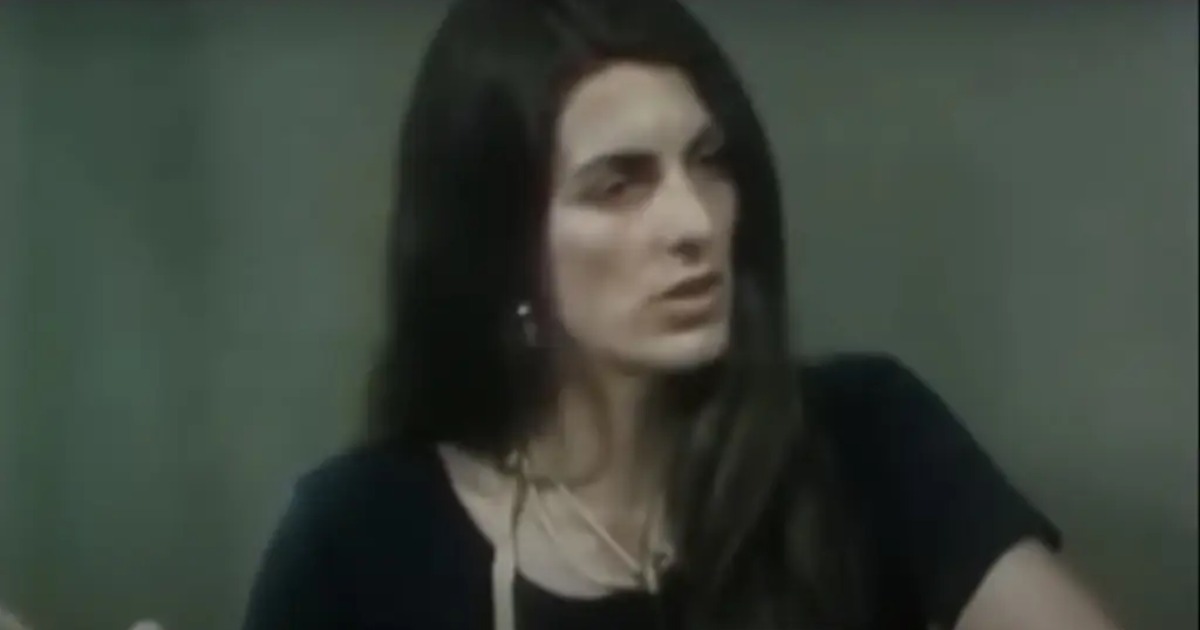
Christine Chubbuck was just 29 years old when she died following an incident during a live television broadcast in Sarasota, Florida, on July 15, 1974.
The journalist had been presenting a morning programme when she unexpectedly departed from its usual format, delivering a final statement before taking her own life on air.
Her death shocked colleagues and viewers, and the circumstances surrounding her final broadcast have continued to attract attention decades later.
Who was Christine Chubbuck?
Christine Chubbuck was an American television journalist who worked for stations including WTOG and WXLT-TV in Florida.
At the time of her death, she presented Suncoast Digest, a programme that typically featured interviews and discussions about local community issues.
Colleagues described her as dedicated to her work, with a strong interest in reporting stories that mattered to local residents.
However, her family later revealed that she had experienced depression in the years before her death.
Those struggles were not necessarily apparent to everyone around her, and colleagues recalled that she seemed to be in relatively good spirits on the morning of her final programme.
What happened during Christine Chubbuck's final broadcast?
On July 15, 1974, Chubbuck arrived at the television station and requested an unusual change to the running order of Suncoast Digest.
Instead of beginning with an interview, she told colleagues that she wanted to open the programme by reading a series of news stories.
According to accounts of the broadcast, she spent approximately eight minutes delivering national and local news.
One of the stories concerned a shooting that had occurred at a restaurant near Sarasota-Bradenton Airport the previous day.
When the programme attempted to show footage relating to the incident, the film equipment malfunctioned.
Chubbuck continued speaking to viewers before the broadcast took a devastating turn.
She subsequently shot herself on air.
The station's technical director quickly cut away from the broadcast, replacing the live feed with other programming.
Some viewers contacted police, while others called the television station, uncertain whether what they had witnessed was real.
What were Christine Chubbuck's final words?
Immediately before her death, Chubbuck delivered a prepared statement that criticised the television industry's approach to sensational news coverage.
She began by referring to the station's practice of presenting immediate and comprehensive reports about violent incidents.
Her statement then introduced what she described as an unprecedented television broadcast.
The final words were widely reported as a deliberate reference to the tragedy that followed.
In her prepared remarks, she described the broadcast as "an exclusive coverage of an attempted suicide."
Her statement has since been interpreted as a criticism of sensationalism in television news, although her personal motivations cannot be established from the words alone.
The incident occurred during a period when television news organisations were increasingly competing for viewers through dramatic reporting.
What happened after the broadcast?
Emergency services responded to the television station, and Chubbuck was transported to Sarasota Memorial Hospital.
She died approximately 14 hours later.
In the aftermath, station news director Mike Simmons reportedly discovered that Chubbuck had prepared a detailed script covering the entire broadcast.
The documents also included a third-person news account of the incident, apparently intended for a colleague to read after she was no longer able to continue presenting.
The discovery left colleagues confronting the possibility that she had planned the events in advance.
Her death is widely described as the first known suicide broadcast live on television.
What did Christine Chubbuck's family reveal?
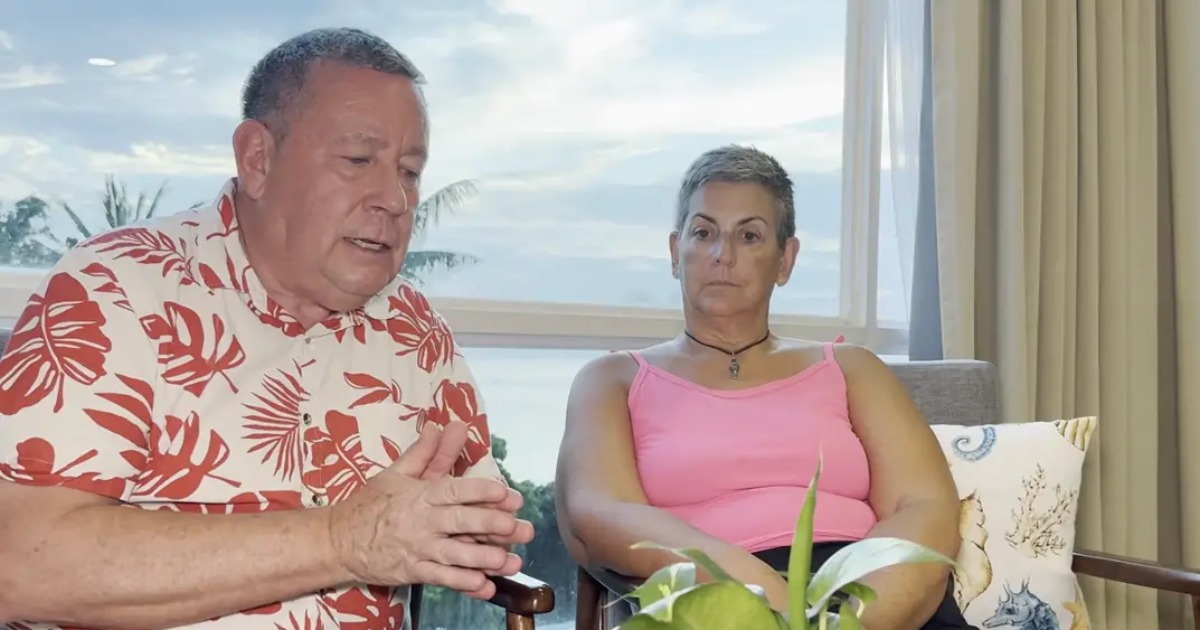
Decades after her death, Chubbuck's brother Greg spoke publicly about the tragedy and its lasting impact on their family.
In a 2016 interview with People, he revealed that their grandparents had been devoted viewers of Christine's television programme.
They ordinarily watched every broadcast.
However, on the morning of July 15, their grandfather had a medical appointment and their grandmother drove him there.
As a result, they missed the programme.
Greg said his sister knew they would not be watching that morning.
The revelation added another heartbreaking dimension to the family's memories of the incident.
Does footage of Christine Chubbuck's final broadcast still exist?
The broadcast took place before home video recording became widespread, and only a relatively small audience is believed to have watched it live.
Reports have suggested that a single recording of the incident may have survived, although its whereabouts have long been disputed.
Some accounts have claimed that the recording was held by the family of the television station's former owner.
Others have suggested that Chubbuck's relatives possessed it.
However, Greg Chubbuck told People in 2016 that he did not know where the recording was located.
He also expressed a strong desire for the footage to remain out of public circulation.
There is no verified, publicly available recording of the full incident.
How has Christine Chubbuck's story been remembered?
Chubbuck's life and death became the subject of renewed public discussion in 2016, when the biographical film Christine was released.
The film starred Rebecca Hall as Chubbuck and explored her professional experiences, personal struggles and the circumstances leading up to her death.
It also prompted broader conversations about mental health, the pressures faced by journalists and the ethics of sensational news reporting.
Although her final broadcast is often discussed because of its shocking nature, her story also highlights the importance of understanding mental health difficulties that may not be visible to others.
Depression can affect people regardless of their profession, apparent success or how they seem to those around them.
Her death remains a painful chapter in television history and a reminder of the human tragedy behind a widely reported event.
Where to find support
If you or someone you know is struggling with suicidal thoughts or emotional distress, confidential support is available.
In the United States, call or text 988 to reach the Suicide & Crisis Lifeline, or visit 988lifeline.org.
In the United Kingdom and Ireland, Samaritans can be contacted free on 116 123, 24 hours a day.
If someone is in immediate danger, contact emergency services.