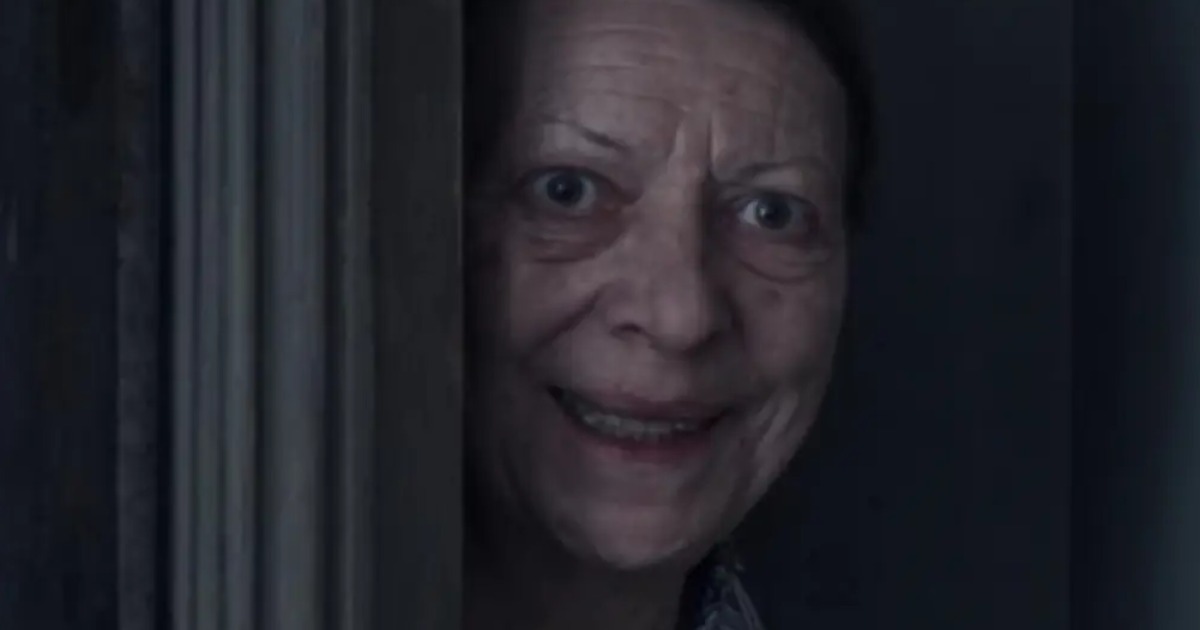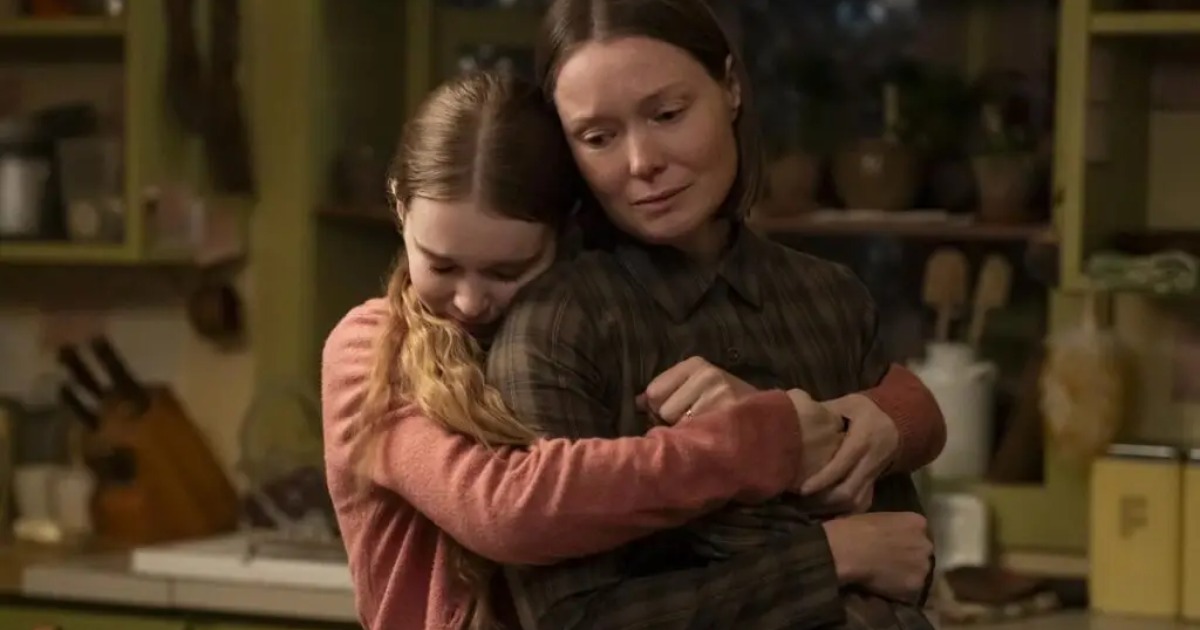

Fans of Stephen King's horror classic Carrie have identified a major change in Amazon Prime Video's new television adaptation, with some arguing that it undermines the entire meaning of the original story.
The eight-part series, starring Summer H. Howell as Carrie White, reimagines King's 1974 debut novel for a modern audience.
While the show retains the familiar premise of a bullied teenage girl discovering terrifying telekinetic abilities, its treatment of one crucial moment has sparked considerable criticism.
And with a second season reportedly confirmed, viewers are questioning whether the adaptation has abandoned one of the novel's defining elements.
Warning: Major spoilers for the 2026 television adaptation of Carrie and Stephen King's original novel follow.
What is the major flaw fans have discovered in Carrie?
The biggest controversy is that Carrie White survives the ending of Amazon Prime Video's adaptation, despite dying at the conclusion of Stephen King's original novel.
In King's 1974 book, Carrie's story ends in tragedy following the devastating events surrounding her school prom.
After years of bullying and abuse, Carrie unleashes her telekinetic powers, causing widespread destruction throughout the town of Chamberlain.
Her actions ultimately lead to her own death, bringing the novel to a bleak and definitive conclusion.
However, the television adaptation changes that outcome.
Instead of dying, Carrie survives, creating the possibility of further adventures and an entirely new direction for the character.
For some viewers, the decision removes the sense of finality that made King's original story so memorable.
Why are Stephen King fans angry about the ending?
The controversy centres on whether Carrie's death is essential to the meaning of the original novel.
In King's version, the protagonist's suffering builds towards an irreversible tragedy.
Her experiences of bullying, isolation and abuse ultimately culminate in catastrophic violence, leaving little possibility of redemption or recovery.
Some fans believe that changing her fate fundamentally alters the story's emotional impact.
One viewer on X argued that the television adaptation had weakened the source material by turning a definitive tragedy into a potential franchise.
Another suggested that allowing Carrie to escape makes the devastating prom-night events feel like the beginning of a longer adventure rather than the conclusion of her story.
Others questioned whether offering the character a more hopeful future was compatible with King's original intentions.
However, these reactions represent the opinions of individual viewers rather than a universal consensus among fans.
How does Carrie end in Stephen King's original book?
Stephen King's Carrie was first published in 1974 and became one of the most influential horror novels of its era.
The story follows Carrie White, a socially isolated teenager who is relentlessly bullied by classmates and subjected to an oppressive upbringing by her religious mother, Margaret.
As Carrie begins discovering her telekinetic powers, her emotional distress becomes increasingly dangerous.
The novel's defining sequence takes place at her school prom, where a cruel prank triggers a devastating chain of events.
Carrie uses her powers to unleash destruction on those around her, with the violence spreading beyond the school and into the surrounding town.
Her rampage ultimately ends with her death.
The conclusion reinforces the novel's themes of cruelty, alienation, trauma and the destructive consequences of prolonged abuse.
Because the ending is so closely connected to those themes, some readers believe it cannot be changed without altering the fundamental nature of the story.
How does Amazon Prime Video's Carrie remake change the story?
The 2026 adaptation follows many of the same central characters and themes as King's novel.
Summer H. Howell plays Carrie, while Samantha Sloyan portrays her mother, Margaret White.
Siena Agudong stars as Sue Snell, and Alison Thornton plays Chris Hargensen.
However, the adaptation takes a different approach to Carrie's ultimate fate.
Rather than bringing her story to a definitive conclusion, the series allows her to survive the events that would have killed her in the book.
The ending also introduces the possibility of a future involving another character, Emaline.
This creates opportunities for storylines that extend beyond the events of King's original novel.
While some adaptations make minor changes to dialogue, characters or chronology, altering the protagonist's death represents a much more substantial departure.
Has Carrie been renewed for season two?
According to LADbible's October 23, 2026 report, Amazon Prime Video's Carrie has been renewed for a second season.
The renewal has added to the debate about the first season's controversial conclusion.
With Carrie surviving, the show's writers can potentially explore what happens after the destruction associated with her telekinetic powers.
That could include the consequences of the events in Chamberlain, Carrie's attempts to build a different life and the possibility of new threats.
However, the supplied reporting does not establish which of those storylines, if any, will feature in the second season.
For critics of the adaptation, the prospect of continuing Carrie's story reinforces their concern that the ending was changed to support additional episodes.
There is no confirmed evidence in the supplied report establishing that commercial considerations were the producers' motivation.
Who stars in the new Carrie series?
The eight-part adaptation features a cast portraying the characters familiar to readers of King's novel.
The series revisits the themes of adolescent cruelty, religious extremism and supernatural power that helped make the original novel famous.
However, its decision to alter the ending has become one of its most discussed creative choices.
How does the remake compare with previous Carrie adaptations?
Carrie has been adapted for the screen several times since the novel's publication.
The most famous version is Brian De Palma's 1976 film, starring Sissy Spacek as Carrie and Piper Laurie as Margaret White.
That adaptation became a landmark of American horror cinema and helped establish Carrie's prom-night sequence as one of the genre's most recognisable moments.
A television film followed in 2002, starring Angela Bettis, while a 2013 theatrical remake featured Chloë Grace Moretz and Julianne Moore.
Different adaptations have taken varying approaches to the source material, including changes to characterisation, pacing and the ending.
The 2026 series has nevertheless generated fresh debate because its continuation beyond the novel's conclusion is now central to the show's future.
Why is Carrie's ending so important?
For many readers, Carrie is not simply a supernatural horror story about a teenager with extraordinary powers.
It is also a tragedy about what happens when someone experiences sustained cruelty and isolation without meaningful support.
The novel's devastating conclusion leaves readers confronting the consequences of those experiences.
Changing that conclusion to allow Carrie to survive can create a different emotional message.
Some audiences may appreciate the possibility that she can escape her circumstances and find a better future.
Others believe that providing hope diminishes the original story's uncompromising examination of suffering and destruction.
Neither interpretation is inherently the only valid approach to adaptation, but the disagreement illustrates how strongly readers can feel about changes to beloved novels.
What happens next for Carrie?
With a second season reportedly planned, the television adaptation appears set to move further into territory not covered by King's original book.
That gives the creative team opportunities to develop new characters, conflicts and consequences for Carrie.
It also means the series will face the challenge of satisfying viewers who want an original continuation while retaining the qualities that made the 1974 novel influential.
For now, the most divisive aspect of the remake remains its decision to change Carrie's fate.
Whether audiences ultimately embrace that creative direction may depend on how convincingly the next season justifies the departure from King's original ending.
Source: LADbible, October 23, 2026, reporting viewer reactions to Amazon Prime Video's Carrie adaptation and its departure from Stephen King's 1974 novel.